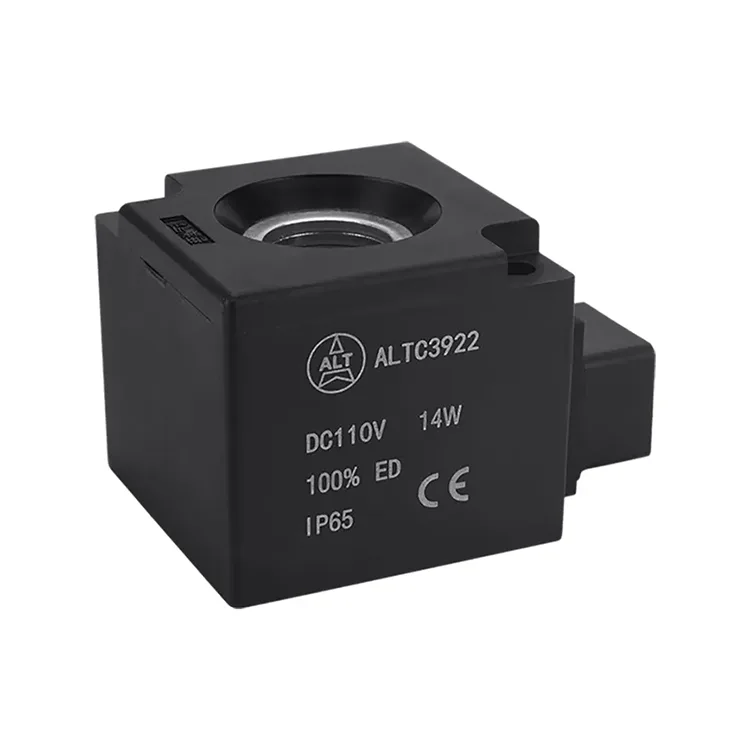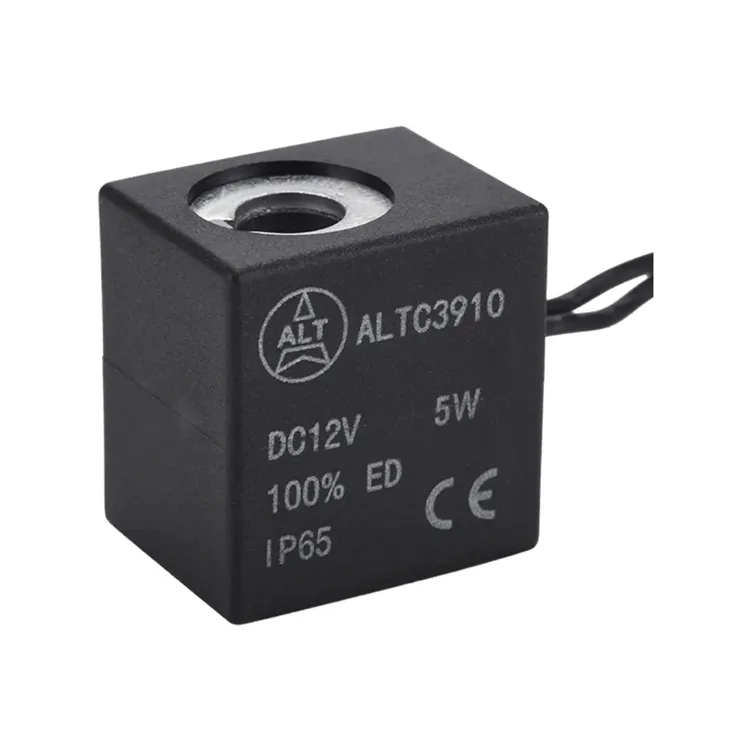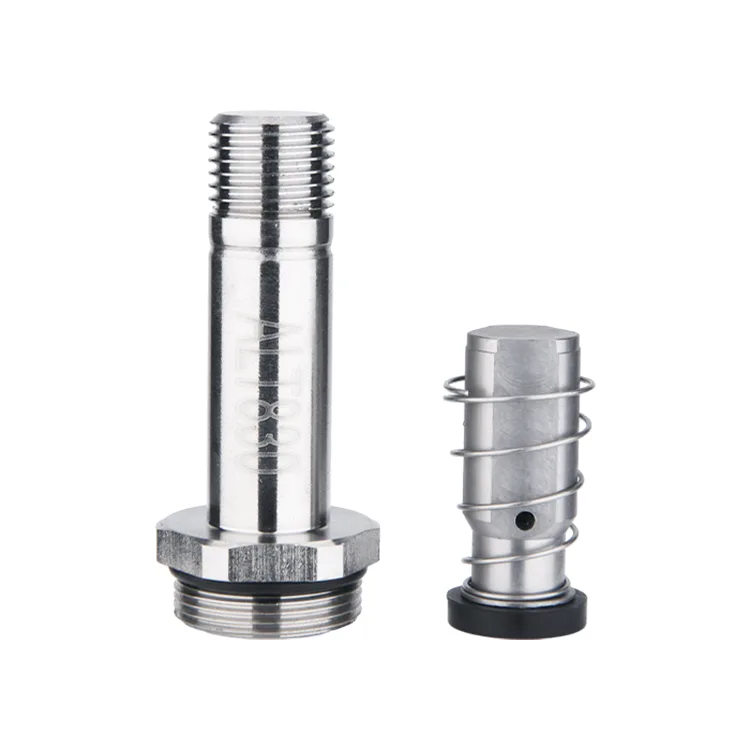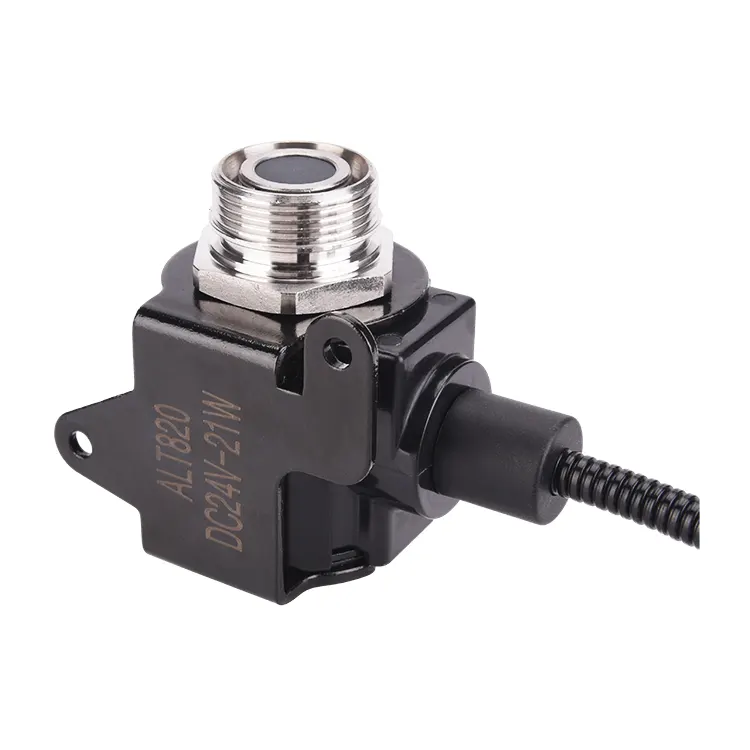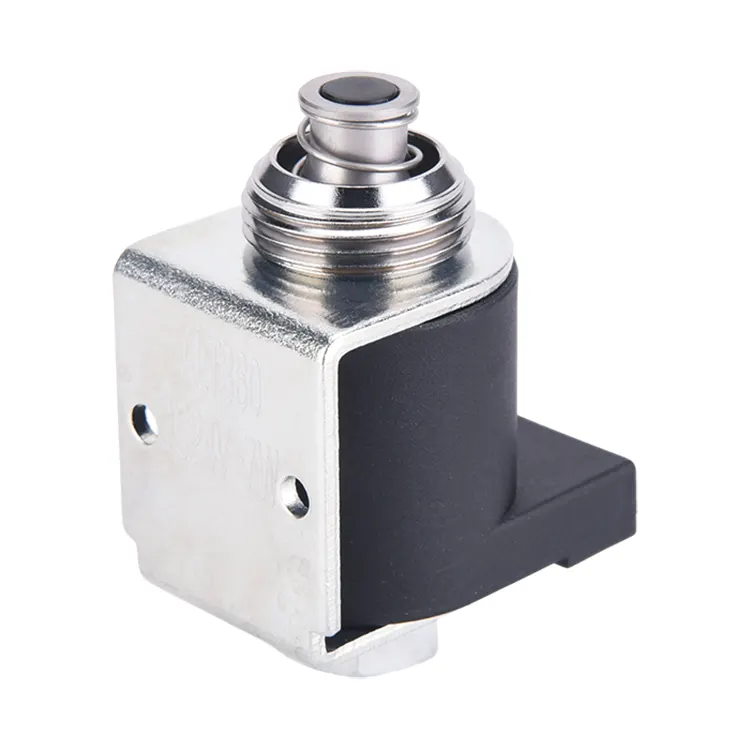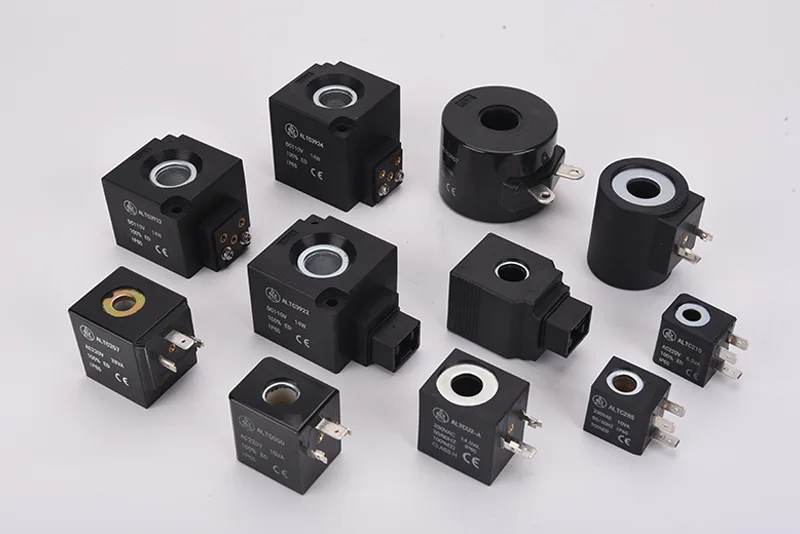
A DC solenoid coil converts electrical energy into a magnetic field that drives the movement of a compatible solenoid armature. Its rated voltage, winding resistance and operating duty must match the application. An unsuitable combination can lead to insufficient magnetic force, excessive temperature rise or inconsistent operation.
Ningbo Anlite Machinery Co., Ltd. develops DC solenoid coils for integration with solenoid armature assemblies and complete solenoid valve assemblies. Options can be discussed for 12V, 24V and other specified DC power supplies, depending on the required electrical and mechanical configuration.
Two coils with the same rated voltage may not perform identically in the same application. Before confirming a DC coil, check the electrical load, available installation space and actual operating cycle.
The winding design and electrical resistance influence current and heat generation. The magnetic force available to move an armature also depends on the coil's magnetic design and the geometry of the assembled components. A coil that matches the nominal voltage may still be unsuitable if the armature, stroke or operating cycle differs from the intended design.
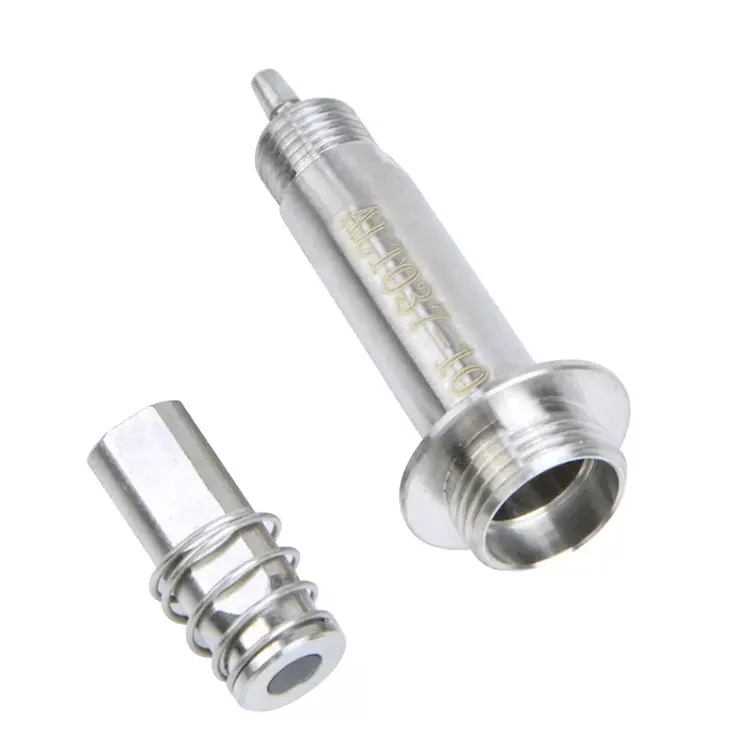
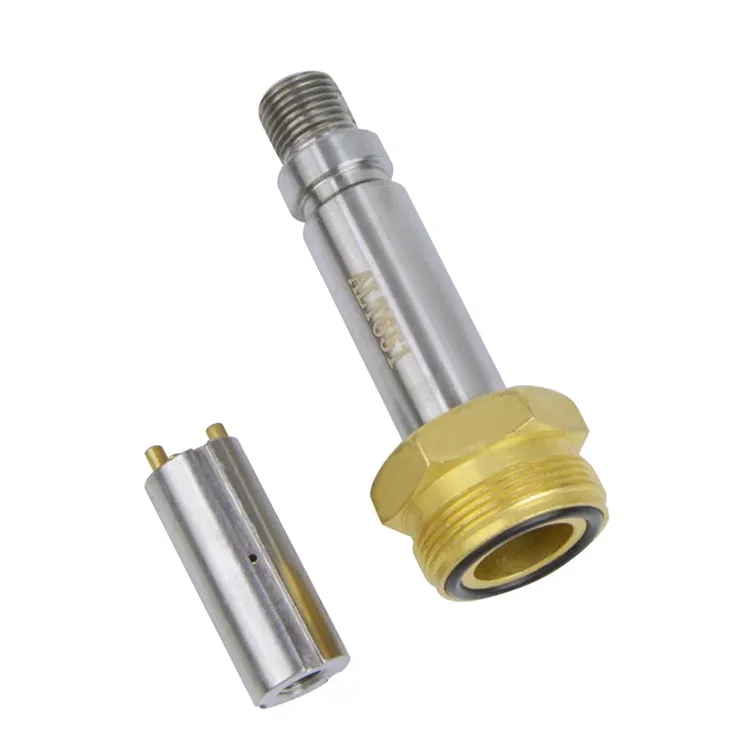
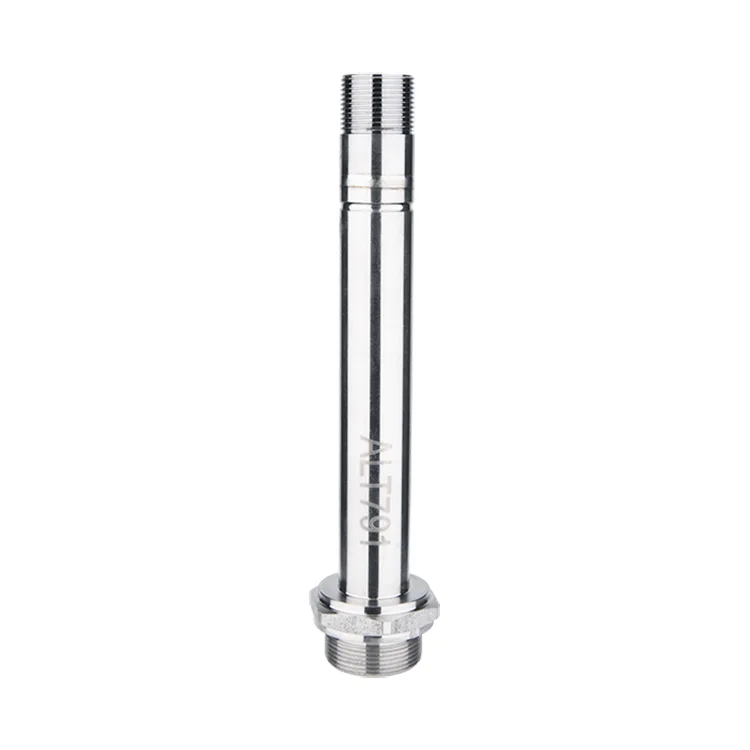
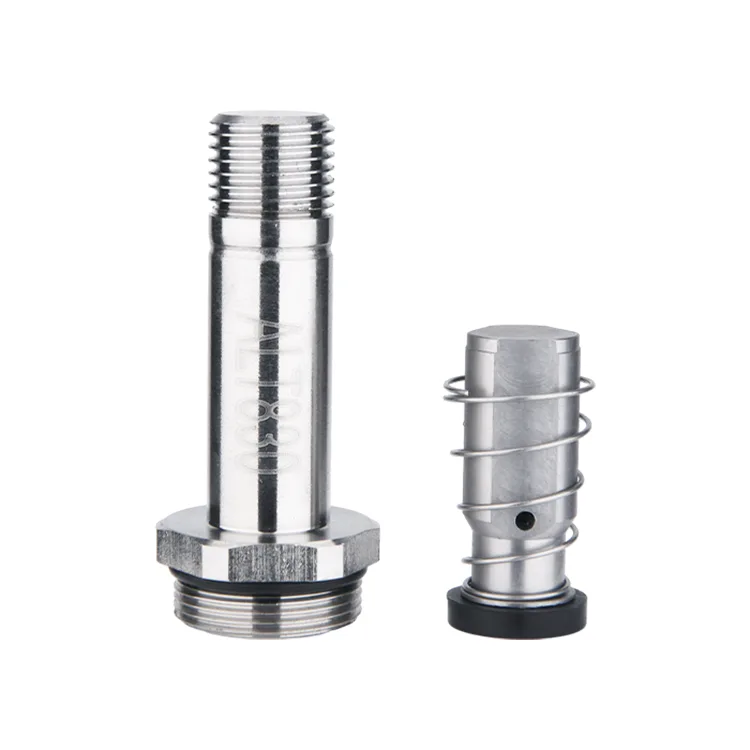
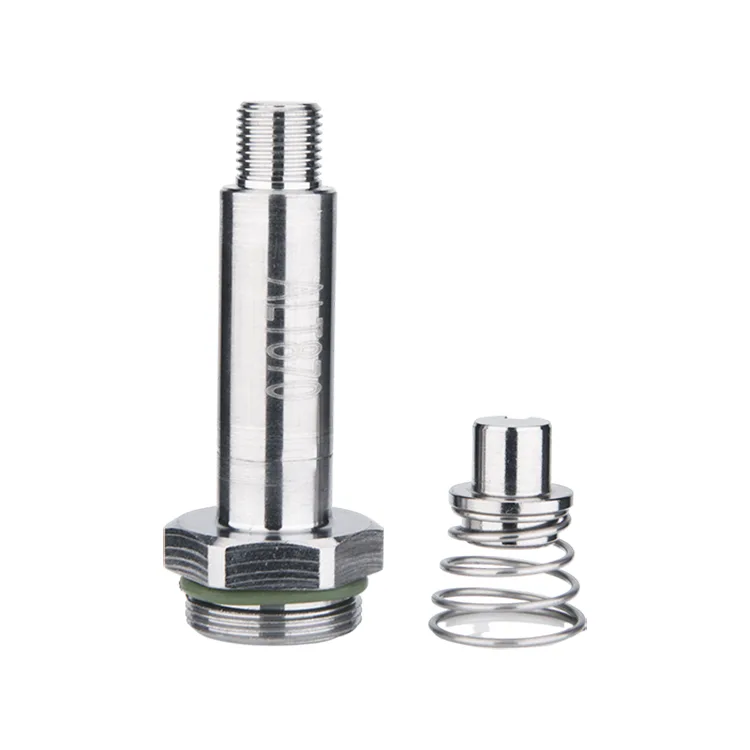
For this reason, Anlite can review the DC coil alongside its matching solenoid armature assembly. Where the application involves a valve, the complete assembly requirements should be considered before confirming the coil specification.
Coil winding and encapsulation are relevant to the electrical and mechanical requirements of the finished component. The appropriate encapsulation material and construction should be confirmed against the actual exposure to moisture, vibration, temperature and installation conditions.
The supplied product information identifies resistance, insulation and dielectric-strength tests before shipment. For projects with specific acceptance criteria, confirm the applicable test conditions, limits and inspection records before approving the design.
DC coils are suitable for systems designed around direct-current power supplies, including certain battery-powered and mobile equipment. Anlite also produces AC coils and bistable coils for different control arrangements. The choice depends on the available power supply, required actuation behavior and the design of the connected mechanism.
To help assess a custom DC coil, provide the specifications available for your application:
If the electrical specifications are not finalized, an existing coil, part number or equipment drawing can provide a starting point for technical review. Final electrical ratings and operating limits should be confirmed before production.
Not unless the coil is specifically designed and rated for that supply condition. Applying a voltage above the specified rating can increase current and heat generation and may damage the coil. Match the coil rating to the actual power supply.
Possible factors include excessive energization time, frequent switching, unsuitable winding resistance, high ambient temperature or operation outside the intended conditions. Review the complete electrical load and duty cycle before changing the coil.
Yes, subject to compatibility checks. The coil's electrical specifications, magnetic requirements and mounting dimensions must suit the existing armature and its operating mechanism. Drawings or a reference sample can help establish the fit.
They are designed for different power supplies and electrical operating characteristics. They should not be treated as interchangeable based on physical appearance alone. Confirm the supply type, rated voltage and compatible magnetic assembly before selecting a replacement.
Start with the rated voltage, resistance or power requirements, duty cycle, dimensions and connector details. If the coil will operate with an existing armature or valve, include its drawing, part number or sample details.
Project-specific requirements can be discussed before production. Confirm which resistance, insulation and dielectric-strength checks are required, along with the applicable acceptance limits and whether test records need to be supplied.
Send your voltage, electrical requirements, connector details and matching component information to Anlite. The team can review the available specifications and discuss customization feasibility before sample evaluation or production.
Send your DC coil inquiry to discuss the configuration required for your application.