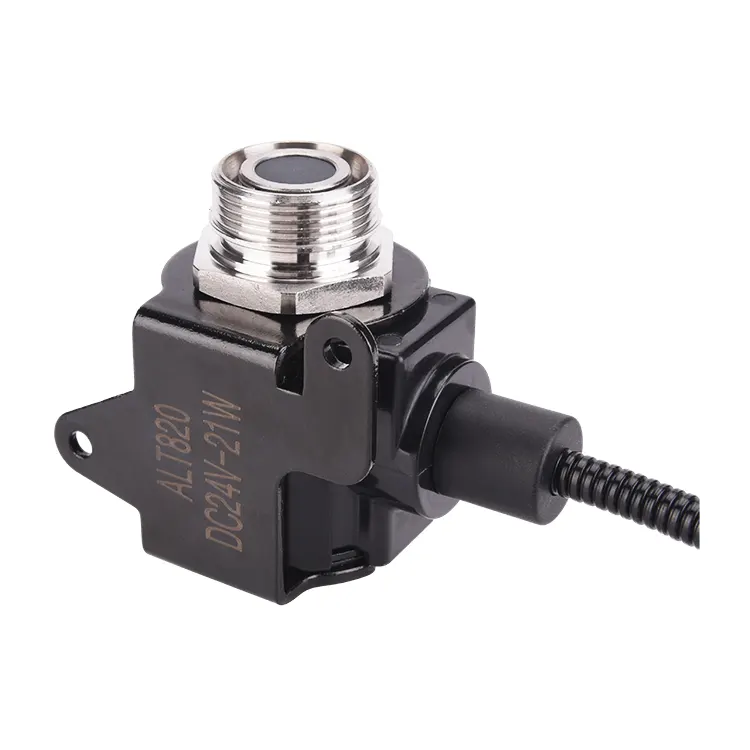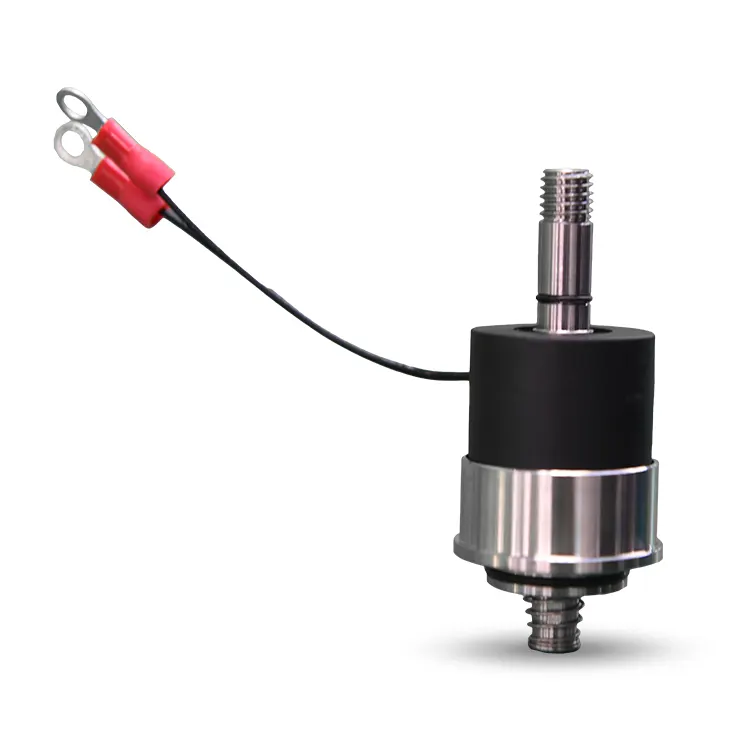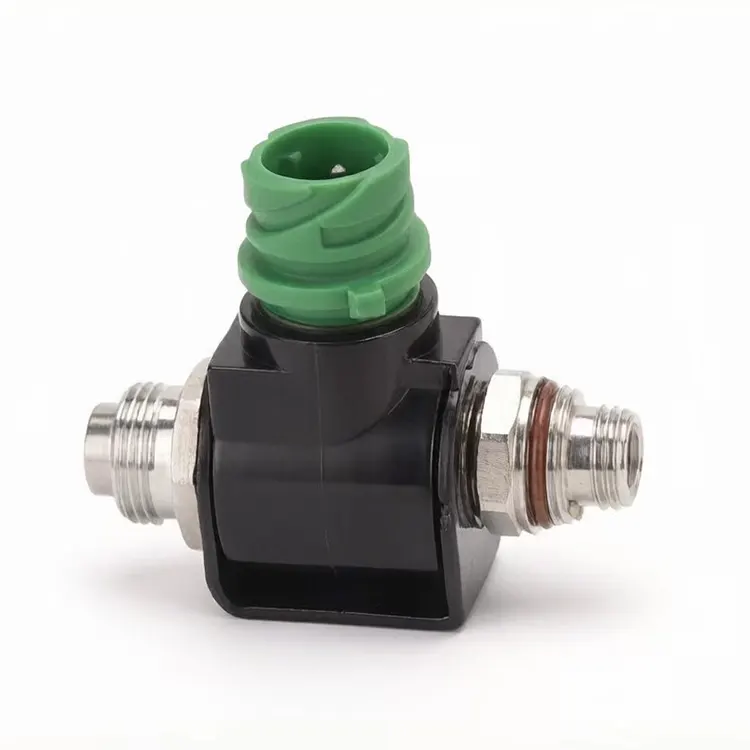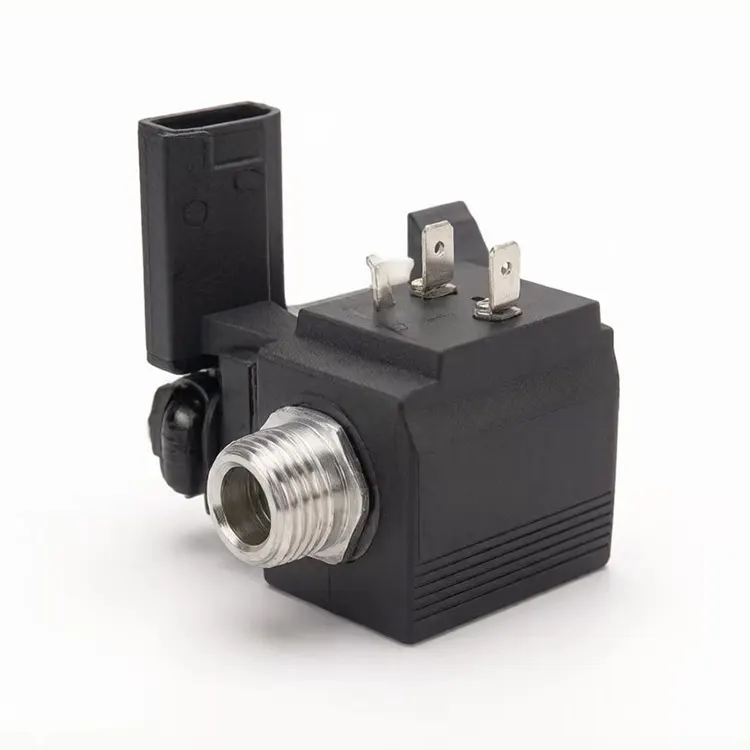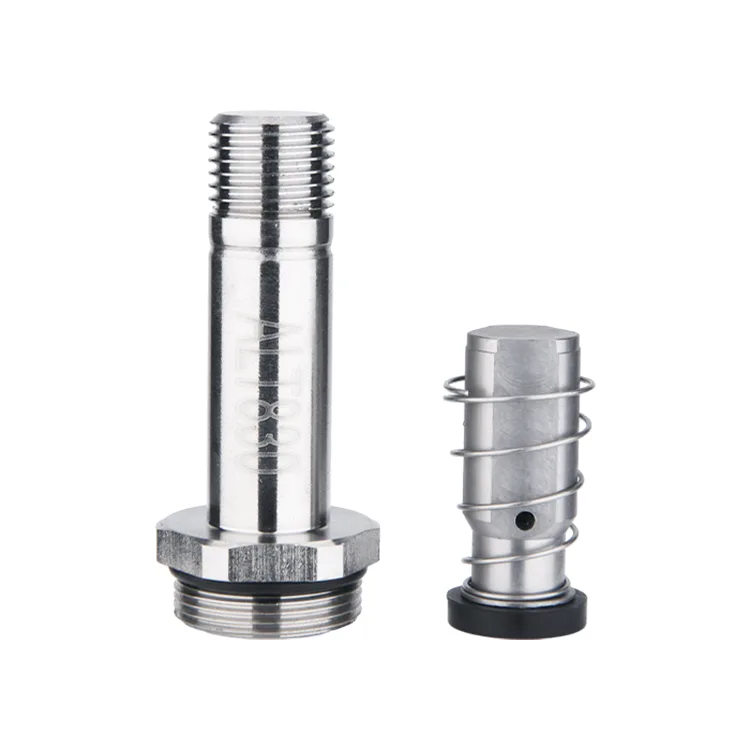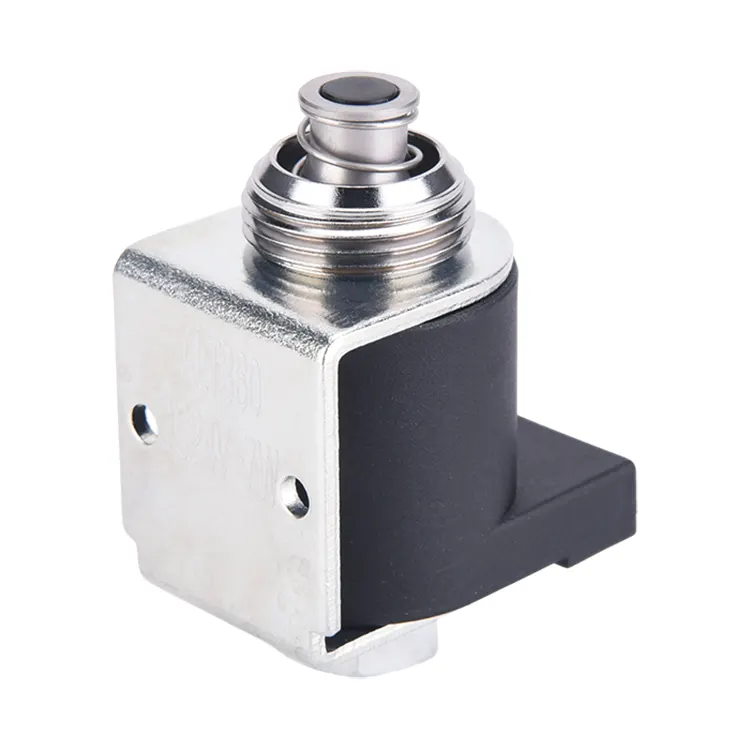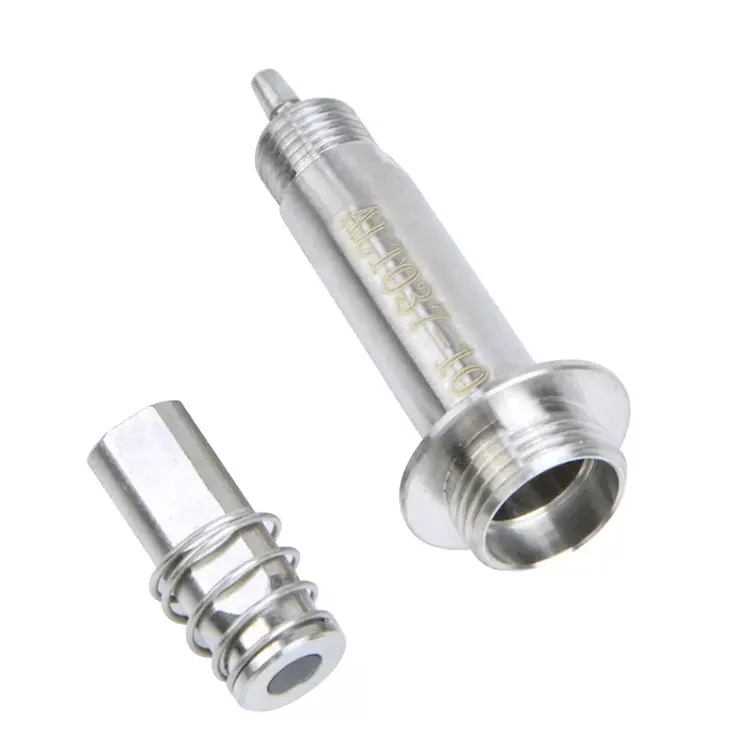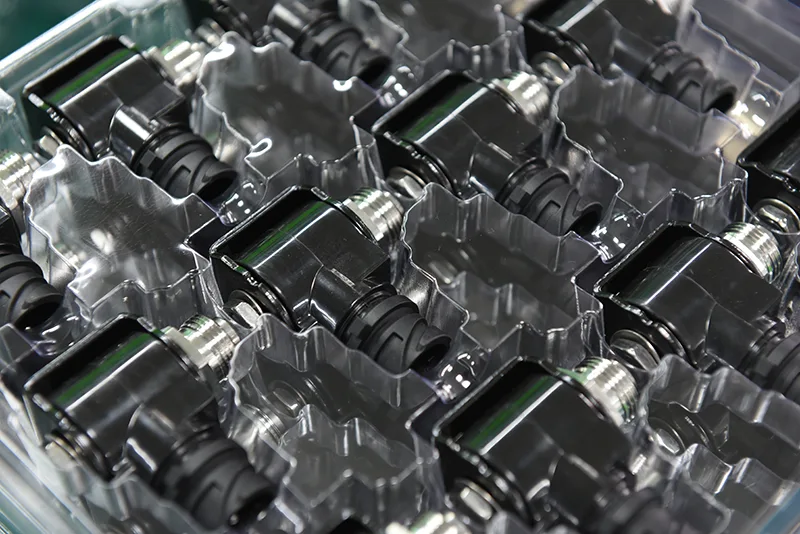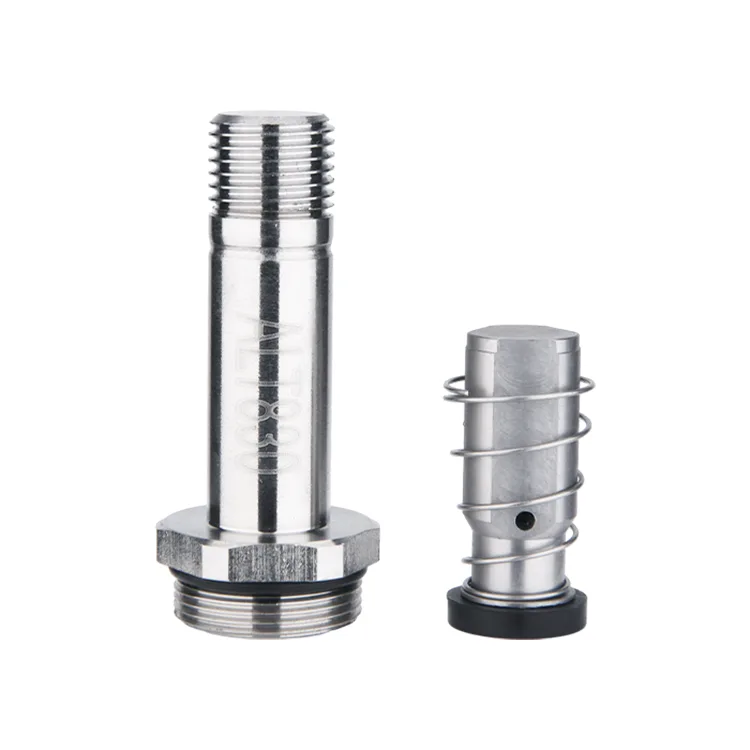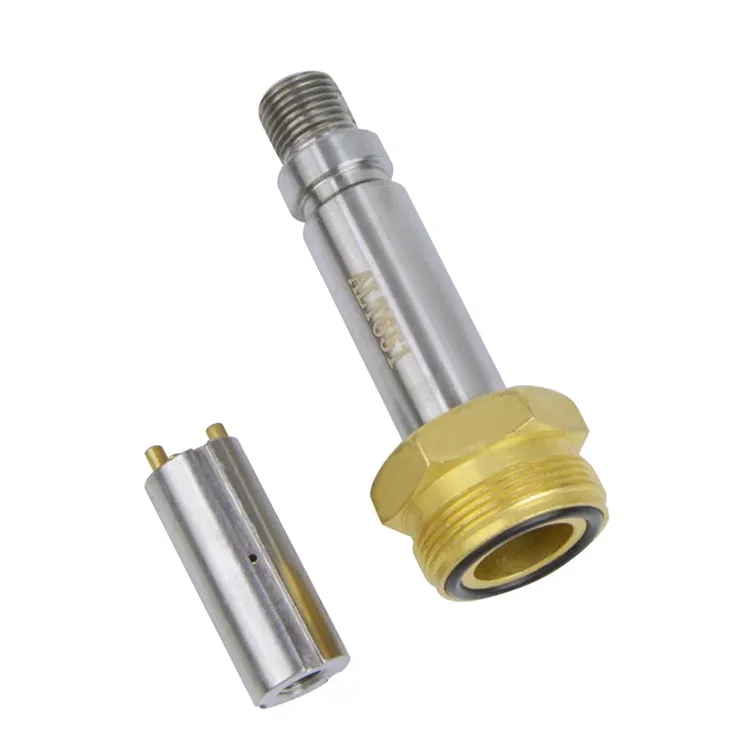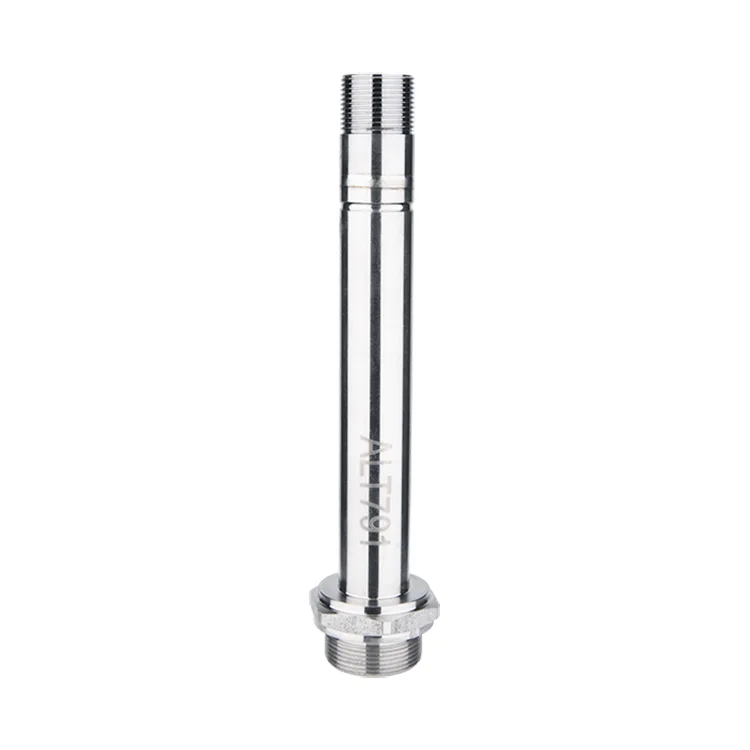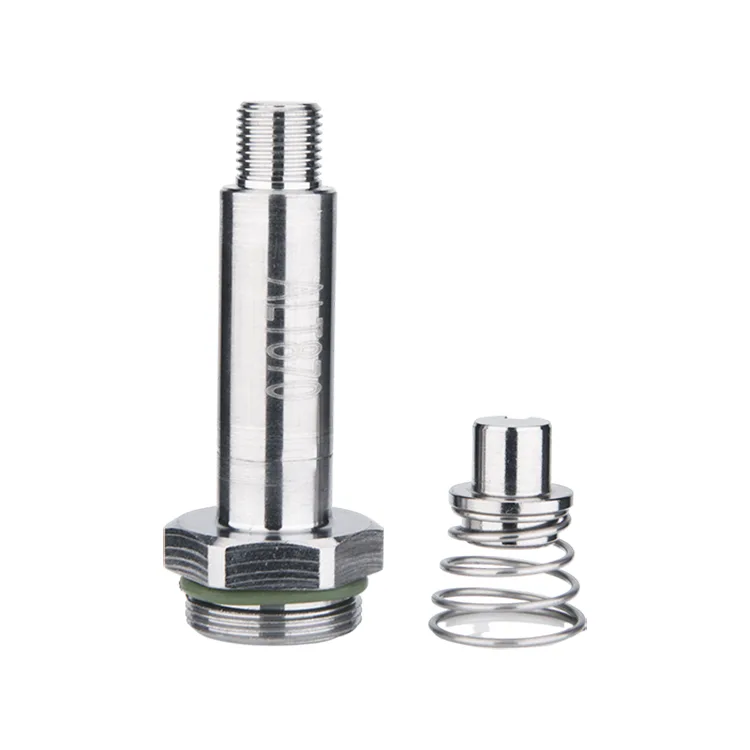
A 3-Way Solenoid Valve Assemblies controls the connection between three ports through electromagnetic actuation. It can be configured for flow switching, diversion or pilot control, depending on the valve's internal passage design and operating requirements. Selecting the correct configuration helps ensure that the valve matches the intended circuit rather than relying on port count alone.
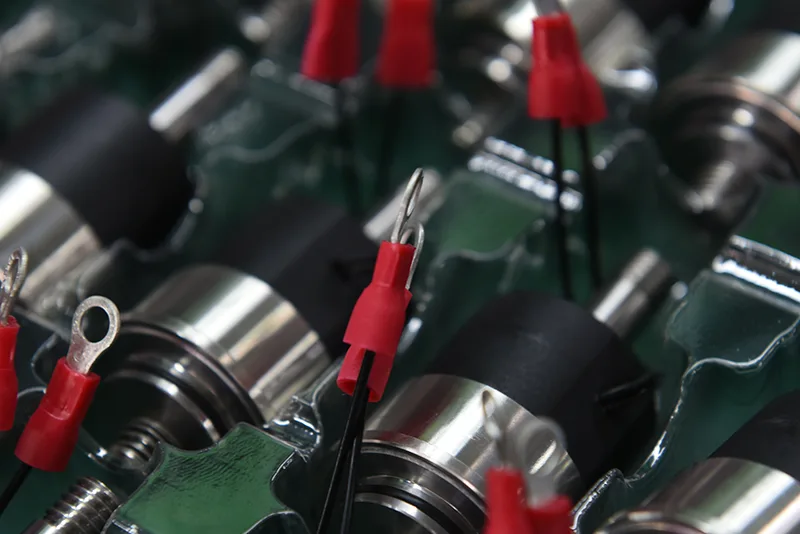
Ningbo Anlite Machinery Co., Ltd. integrates solenoid coils and solenoid armature assemblies into its valve assembly production. By coordinating these key components, the assembly can be configured around the required voltage, switching function and application conditions.
The correct valve configuration depends on how the three ports connect in each operating state. Before confirming a model, check the following specifications:
These details help reduce specification mismatches during equipment integration and make it easier to confirm whether the proposed assembly is suitable for the intended pneumatic, hydraulic or other compatible fluid-control circuit.
The solenoid coil generates the magnetic force that drives the internal armature mechanism. The armature movement changes the valve's flow connection according to its designed structure. The electrical and mechanical components therefore need to work together to achieve the required switching action.
Anlite produces its own solenoid coils and solenoid armature assemblies for integration into valve assemblies. This coordinated component approach supports configuration review and helps identify compatibility requirements before an order is finalized.
Each 3-Way Solenoid Valve Assembly undergoes testing for reversing response, internal leakage and dielectric strength, according to the stated product testing process. These checks address three important aspects of valve operation: switching behavior, sealing performance and electrical insulation.
Test requirements and acceptance criteria should be confirmed against the selected model and agreed technical specifications. Where application-specific requirements apply, clarify them before production.
For a custom 3-Way Solenoid Valve Assembly, the initial technical review focuses on the operating function, electrical requirements, pressure conditions and connection dimensions. This allows the proposed configuration to be assessed before sample confirmation or batch production. To help determine a suitable configuration, please provide the following information:
| Specification | Information to Confirm |
|---|---|
| Valve function | Required port connections and switching logic |
| Operating state | Normally open, normally closed or specified alternative |
| Coil voltage | 12V DC, 24V DC, 110V AC, 220V AC or another specified value |
| Working pressure | Required operating pressure range |
| Flow requirement | Required flow rate and working medium |
| Connection and mounting | Port size, interface and installation dimensions |
If any parameters are not yet finalized, provide the available drawings, reference model or application description for an initial technical review. Unconfirmed specifications can then be identified before the configuration is approved.
When the circuit requires only a single on/off flow path, a 2-Way Solenoid Valve Assembly may be more appropriate. For circuits requiring three-port switching, compare the 3-Way Normally Open Solenoid Valve and the 3-Way Normally Closed Solenoid Valve to determine the correct operating state. The port logic and default position should be reviewed together.
The final selection should be based on the actual circuit diagram, operating conditions and required electrical interface rather than the valve name alone.
A 2-way assembly opens or closes a single flow path. A 3-way assembly connects three ports and follows a defined switching or diversion logic. The correct choice depends on the circuit and the required default state.
Standard options include 12V DC, 24V DC, 110V AC and 220V AC. Other values can be reviewed on request, subject to the electrical and mechanical requirements of the assembly.
Yes. Both operating states can be reviewed against the circuit requirement, along with any pilot or diversion logic that the three-port design needs to follow.
Reversing response, internal leakage and dielectric strength tests are performed according to the stated testing process. Confirm the applicable test conditions and acceptance limits for the selected model.
Provide the port function, required switching logic, operating state, coil voltage, working pressure, flow rate and installation dimensions. A circuit diagram or reference model helps confirm the details before production.