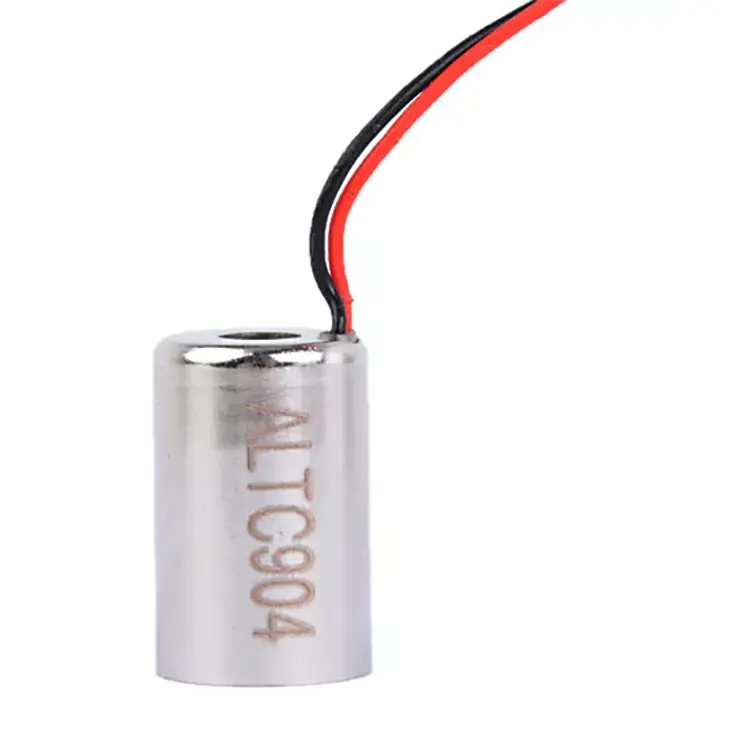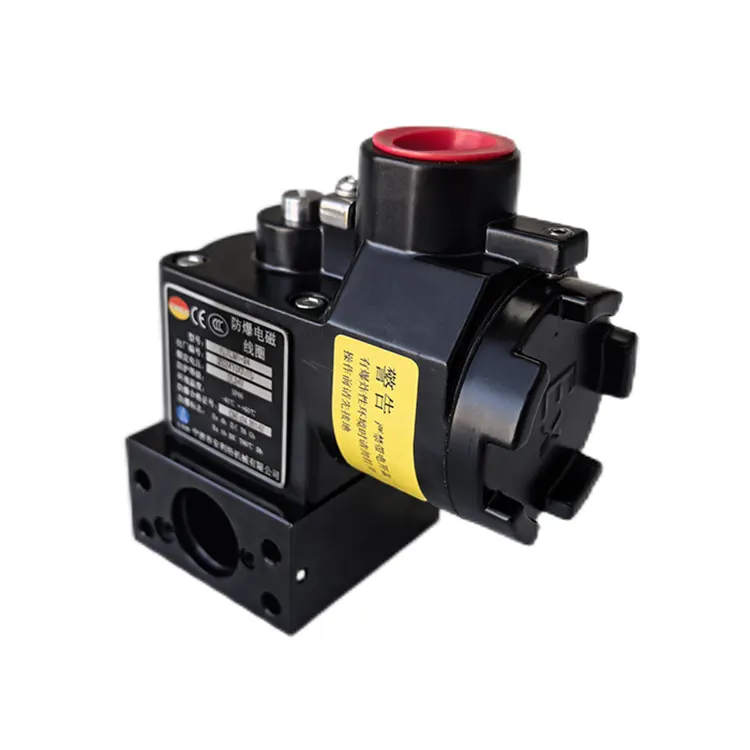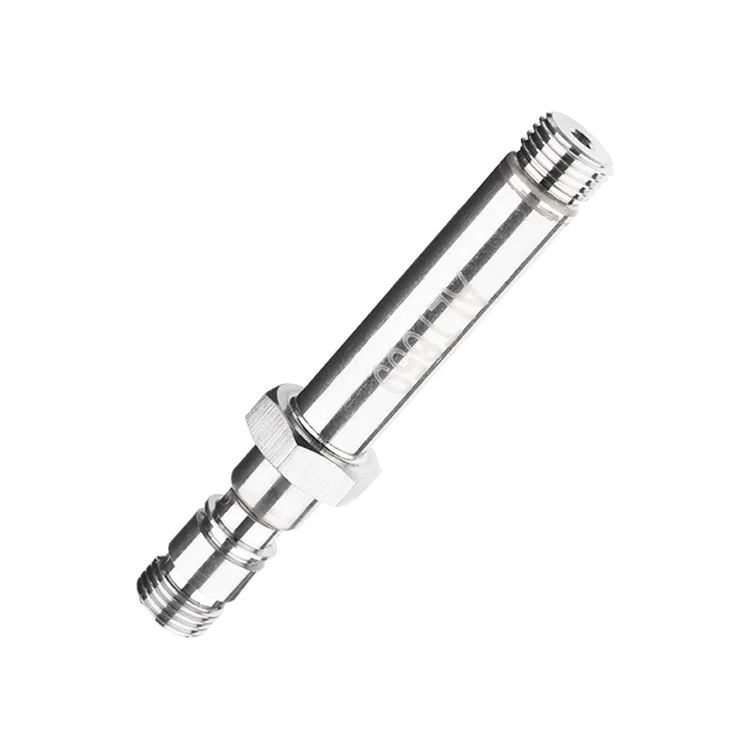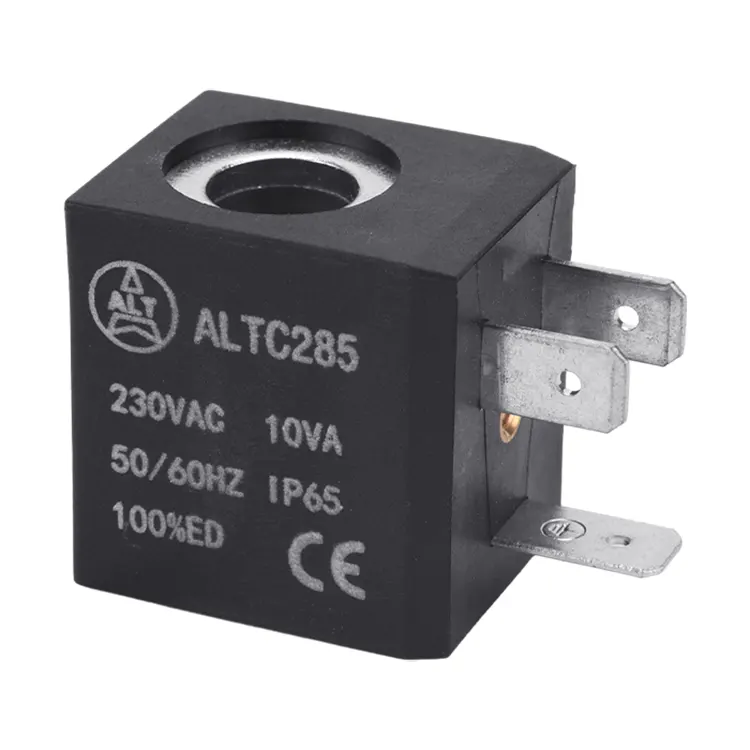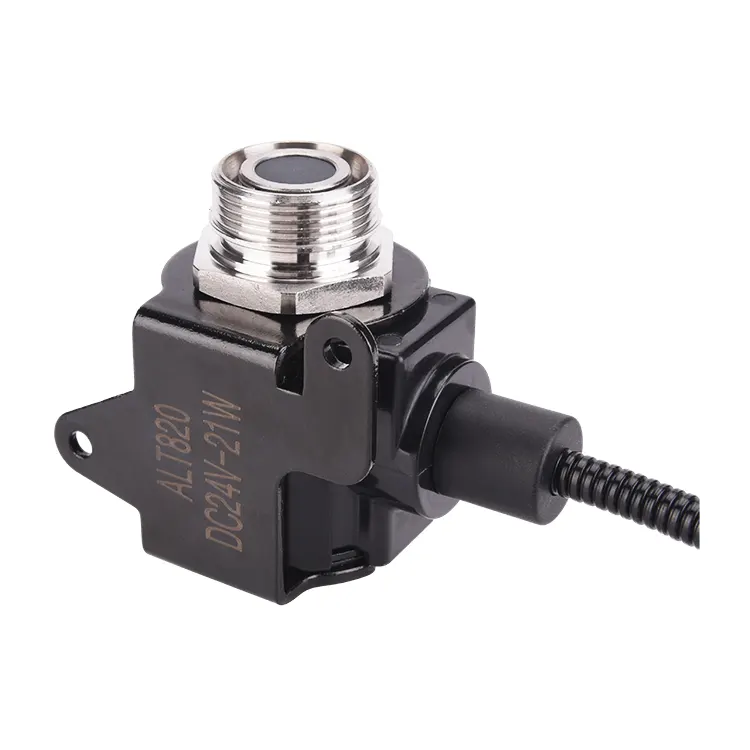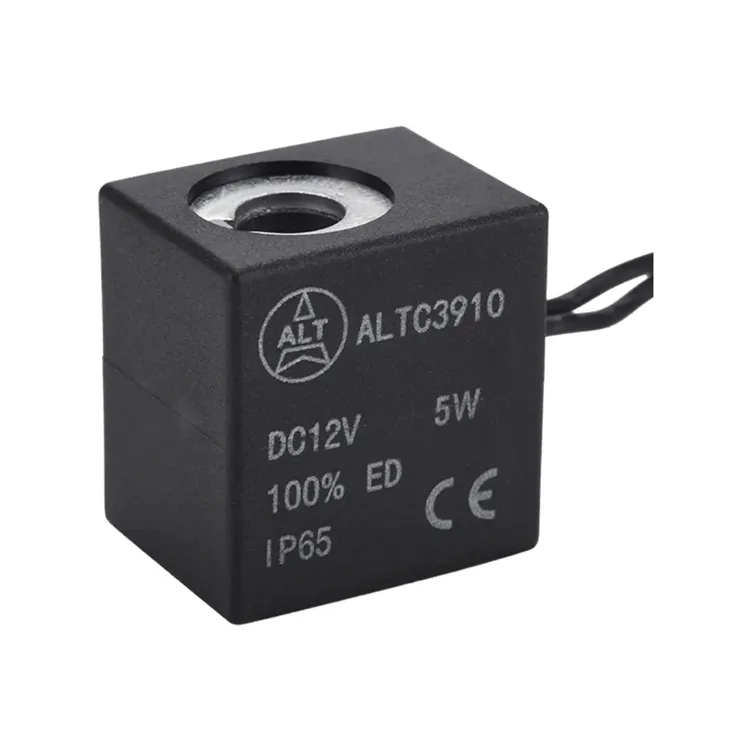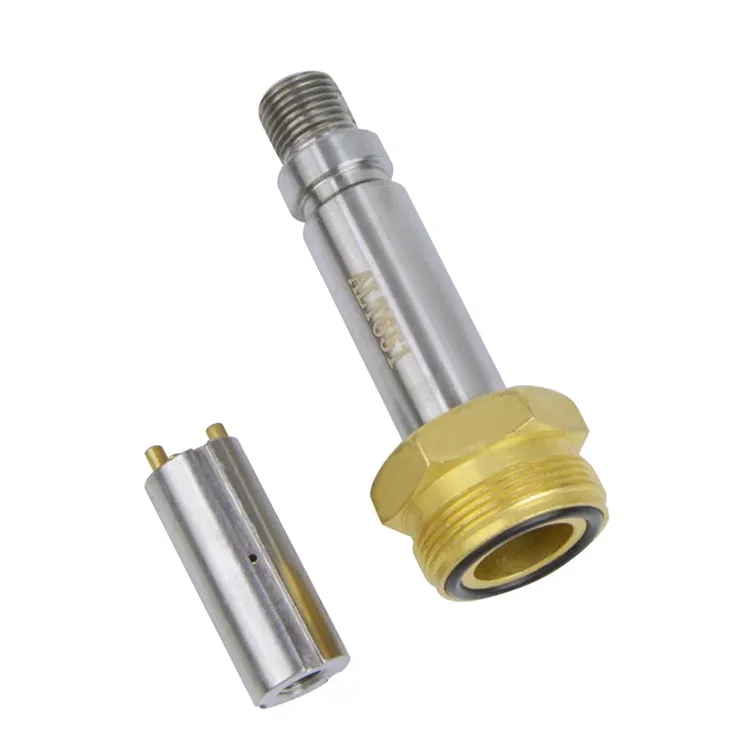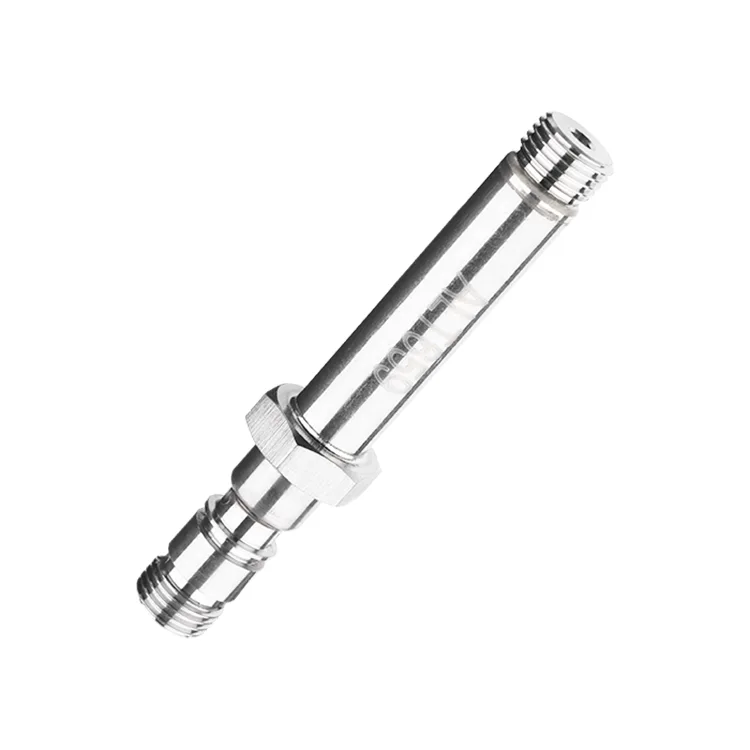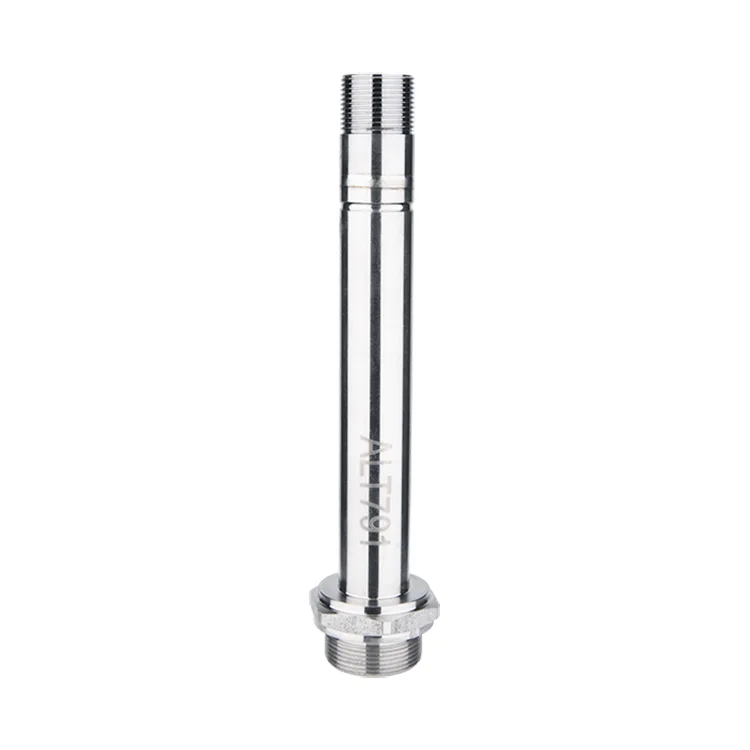
In modern fluid control systems, selecting the right electromagnetic components is essential for achieving stable operation, accurate flow regulation, and long-term equipment reliability. Anlite specializes in manufacturing high-quality 2-Way Normally Open AC Solenoid Armature solutions designed for AC solenoid valves that remain open when de-energized and automatically close when electrical power is applied. With carefully selected magnetic materials, precision-machined components, durable sealing structures, and flexible OEM customization, these armatures provide dependable performance for various industrial fluid control applications.
A 2-Way Normally Open AC Solenoid Armature is a critical moving component in an electromagnetic valve system. It controls fluid flow through the interaction of electromagnetic attraction and mechanical spring return. When the AC coil is energized, the armature moves toward the stationary core and closes the valve passage. When power is disconnected, the return spring restores the armature, allowing fluid to flow again. This article explains its working principle, structural components, material options, technical specifications, manufacturing process, and important purchasing considerations for industrial buyers.
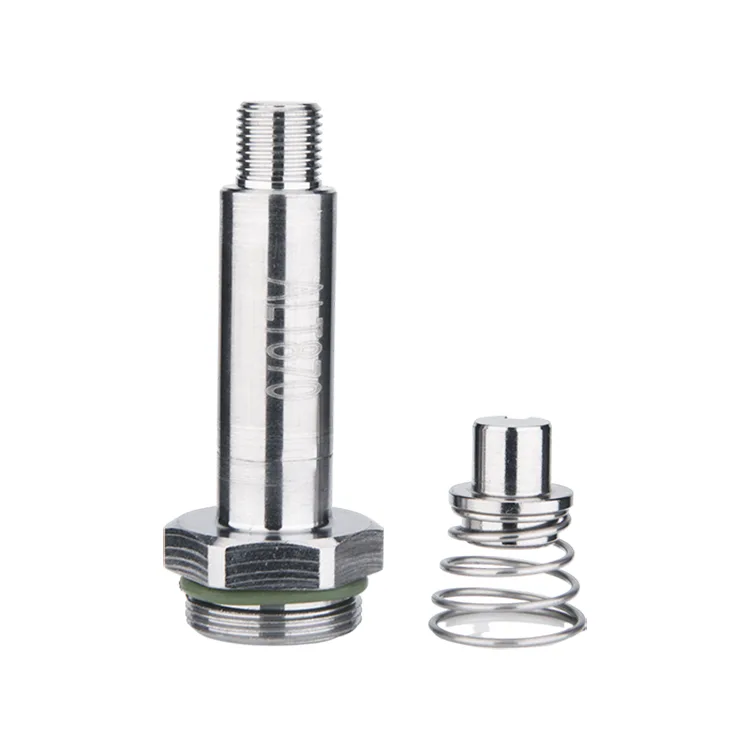
A 2-Way Normally Open AC Solenoid Armature is an electromagnetic moving-core assembly used in two-way solenoid valves. Its primary function is to control the opening and closing of a fluid passage according to the electrical operating condition of the solenoid coil.
The term normally open means that the valve remains open when the coil is not energized. This configuration allows fluid to pass through the valve without requiring continuous electrical power to maintain the open position. When an alternating-current supply energizes the coil, the generated magnetic field attracts the movable armature toward the stationary core, driving the valve mechanism into its closed position.
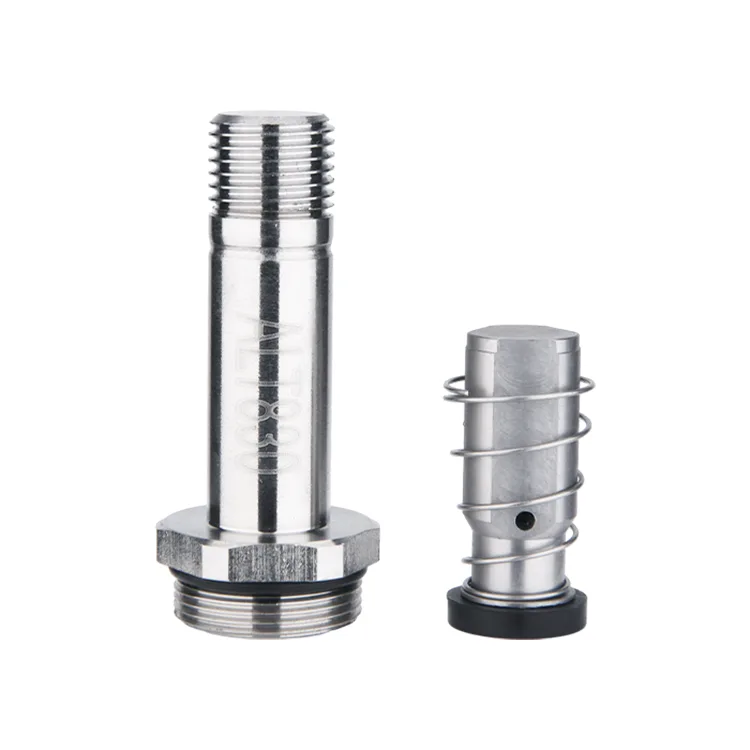
Unlike a complete solenoid valve, the armature is an internal electromechanical assembly. It typically consists of several precisely matched components, including:
The dimensions, materials, spring characteristics, and sealing structure must be carefully matched to the valve body and coil to achieve reliable operation.
The operating principle combines electromagnetic attraction with mechanical spring return. The armature moves axially inside the tube, responding to changes in the magnetic field generated by the AC coil.
When the AC coil is disconnected from the power supply, there is no electromagnetic attraction acting on the movable core. The return spring maintains the armature in its initial position, keeping the valve passage open.
Operating sequence:
Power OFF → No electromagnetic attraction → Spring maintains initial position → Valve OPEN
When the AC coil receives its rated voltage, an alternating magnetic field develops around the magnetic circuit. The electromagnetic force attracts the movable armature toward the stationary core.
This axial movement drives the sealing element into the valve's closing position, stopping fluid flow. The shading ring helps reduce magnetic force fluctuations during AC operation, contributing to smoother movement and reduced mechanical vibration.
Operating sequence:
AC Power ON → Magnetic field generated → Armature attracted → Seal closes flow passage → Valve CLOSED
Once the power supply is removed, electromagnetic attraction decreases. The return spring pushes the movable core back to its original position, releasing the sealing mechanism and reopening the fluid passage.
Operating sequence:
Power OFF → Magnetic force decreases → Spring returns armature → Valve OPEN
This operating structure is particularly useful in systems requiring an open flow path during normal de-energized conditions.
The performance of a solenoid armature depends on the coordinated operation of its internal components. Each part has a specific mechanical, magnetic, or sealing function.
| Component | Primary Function | Important Requirements |
|---|---|---|
| Movable Core | Moves under electromagnetic force | Magnetic permeability and dimensional accuracy |
| Stationary Core | Completes the magnetic circuit | Low residual magnetism and magnetic stability |
| Stainless Steel Tube | Guides and protects the moving core | Concentricity, strength, and corrosion resistance |
| Return Spring | Restores the normally open position | Consistent spring force and fatigue resistance |
| Seal Pad | Prevents fluid leakage | Fluid compatibility and temperature resistance |
| Shading Ring | Improves AC magnetic stability | Suitable magnetic circuit design |
Proper component matching is essential. For example, an incorrectly selected spring force may prevent the armature from moving smoothly, while unsuitable sealing materials can cause leakage, deformation, or premature failure under specific operating conditions.
For equipment manufacturers and industrial fluid control system integrators, a well-designed normally open AC armature offers several important advantages.
The spring-return structure keeps the valve open when electrical power is unavailable. This operating characteristic is useful in systems specifically designed to maintain an open flow path during the de-energized state.
The magnetic circuit is designed to operate with alternating current. A properly configured shading ring helps reduce magnetic force fluctuation and associated vibration, supporting smoother operation.
Stainless steel tubes, corrosion-resistant magnetic materials, and appropriately selected springs contribute to structural stability and consistent mechanical movement.
Different valve manufacturers have different installation dimensions and operating requirements. Customized tube lengths, outer diameters, connection threads, seal dimensions, spring forces, and surface treatments allow the armature to match specific valve designs.
Available sealing materials include NBR, EPDM, FKM, and PTFE. These materials provide different chemical, thermal, and mechanical properties, allowing buyers to select an appropriate solution for their working medium.
Material selection directly influences magnetic efficiency, corrosion resistance, mechanical durability, and sealing reliability. Buyers should evaluate the working environment before confirming the material configuration.
The movable and stationary cores are generally manufactured from stainless steel, magnetic stainless steel, 430FR, or other suitable soft magnetic materials. Important material characteristics include:
SUS304 stainless steel is commonly used for seamless solenoid tubes because of its structural strength and corrosion resistance. Brass and other customized materials may also be considered depending on the valve design and application requirements.
| Seal Material | Key Characteristics | Typical Selection Considerations |
|---|---|---|
| NBR | Wear resistance and oil resistance | General industrial sealing applications |
| EPDM | Good resistance to water and selected chemicals | Water-based and compatible fluid systems |
| FKM | Heat, oil, and chemical resistance | Higher-temperature and demanding fluid environments |
| PTFE | Chemical resistance and low friction | Applications requiring specialized chemical compatibility |
For representative Anlite configurations, the specified NBR seal temperature range is -30°C to 100°C, while the FKM seal range is -25°C to 200°C. Actual suitability depends on the specific compound, working medium, pressure, and operating conditions. Buyers should confirm the complete material specification before production.
Technical compatibility is one of the most important factors when purchasing a 2-Way Normally Open AC Solenoid Armature. Even small dimensional differences can affect installation, magnetic movement, and sealing performance.
The following table summarizes the main specifications that can be customized according to customer drawings and application requirements.
| Specification | Available Configuration |
|---|---|
| Armature Type | 2-Way Normally Open |
| Power Supply | AC |
| Rated Voltage | 24V, 110V, 220VAC, or customized |
| Frequency | 50Hz / 60Hz |
| Stroke Length | Customized |
| Plunger Diameter | Customized |
| Tube Outer Diameter | Customized |
| Tube Length | Customized |
| Seal Material | NBR / EPDM / FKM / PTFE |
| Spring Force | Customized |
| Surface Treatment | Nickel Plating / PTFE Coating / White Zinc Plating |
| Duty Cycle | Continuous or customized |
For example, Anlite's representative ALT005CK model features a 13 mm tube outer diameter, 51.5 mm tube length, M16x1 connection, and a 3.6 mm seal pad diameter. It uses a stainless steel and NBR configuration.
Other representative models include ALT288-2 and ALT870, which offer different tube lengths, connection configurations, and FKM sealing arrangements.
These models demonstrate the flexibility of the product range. However, buyers should always verify drawings, electrical compatibility, and complete assembly dimensions before ordering.
A normally open AC solenoid armature is suitable for two-way valve systems where the required default state is open and electrical energization initiates closure.
Depending on the complete valve design, material configuration, pressure rating, and fluid compatibility, potential application areas include:
Application suitability should be determined by evaluating the complete valve assembly rather than the armature alone. Working pressure, fluid properties, temperature, coil specifications, and installation conditions all influence the final selection.
Manufacturing precision is essential for achieving consistent electromagnetic movement and reliable sealing. Anlite applies a controlled production process covering material preparation, machining, cleaning, assembly, functional testing, and final packaging.
Raw materials are selected according to magnetic properties, mechanical requirements, and corrosion resistance. Incoming inspections verify material identification, dimensions, and surface condition.
CNC turning is used to manufacture critical dimensions, including inner diameter, outer diameter, overall length, step dimensions, and concentricity. First-piece inspection is completed before mass production.
Machined components are cleaned to remove cutting oil, coolant, and metal particles that could interfere with subsequent assembly or armature movement.
Drilling, grinding, polishing, and other finishing operations are performed according to approved technical drawings to achieve the required dimensional accuracy and surface finish.
The movable core, stationary core, tube, spring, sealing element, and other specified components are assembled according to the product configuration. Component orientation, fit, spring position, and movement are checked.
Finished assemblies undergo testing according to customer specifications. Inspection items may include:
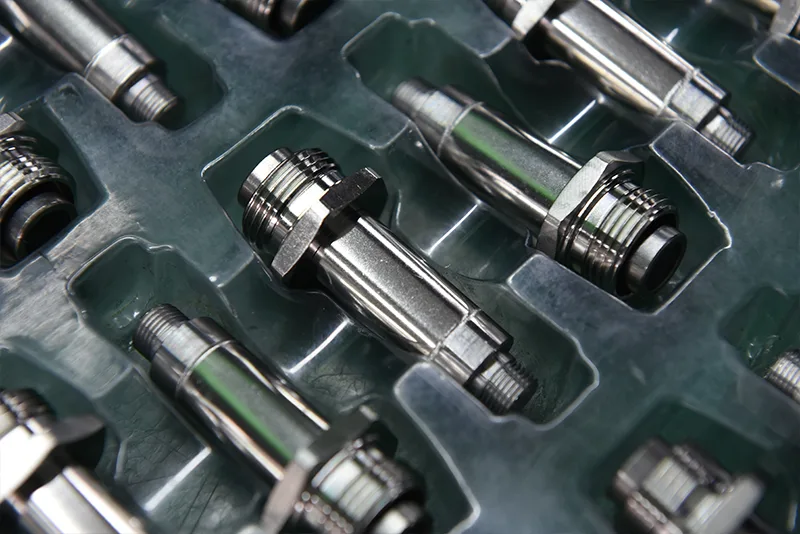
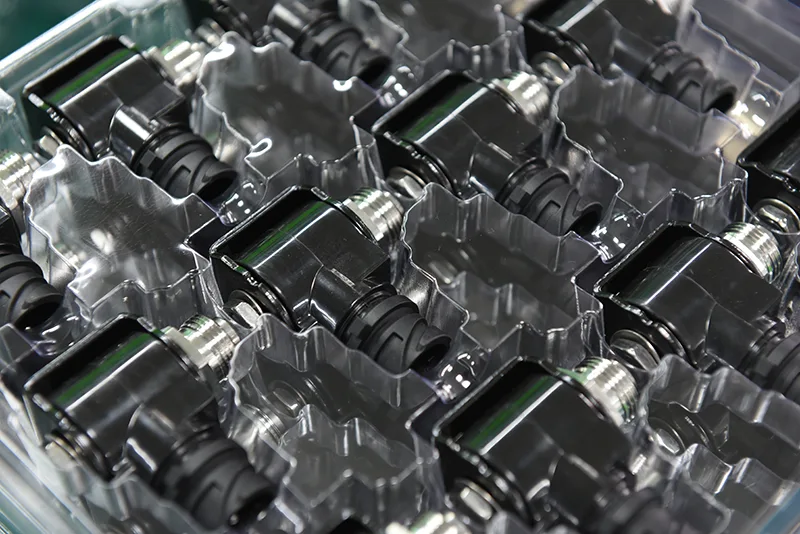
Protective packaging options include blister trays, bubble bags, and individual boxes. Final checks verify product identification, order quantities, and packaging requirements before shipment.
For regular orders, shipment to the port can generally be arranged within seven days, subject to order quantity and production scheduling. Customized projects can support small-batch production from one piece, with additional setup or customization costs depending on the requirements.
Manufacturing quality is supported by documented inspection procedures and process controls. Anlite's quality management system is certified to ISO 9001 and IATF 16949, while applicable products meet relevant CE requirements. These systems provide a framework for production management, inspection records, and product traceability.
Choosing an appropriate armature requires more than matching the external dimensions. Buyers should evaluate the electromagnetic, mechanical, and fluid-related requirements of the complete valve system.
Before placing an order, consider the following factors:
For OEM projects, providing an existing sample, technical drawing, or detailed dimensional specification can significantly improve compatibility evaluation and reduce unnecessary design adjustments.
A normally open solenoid valve remains open when its coil is de-energized and closes when energized. A normally closed valve operates in the opposite way: it remains closed without power and opens when the coil is energized. The appropriate design depends on the required default flow condition.
The main difference is the electrical supply and corresponding magnetic circuit design. AC armatures are designed for alternating-current coils and commonly incorporate a shading ring to reduce magnetic force fluctuations. DC armatures are designed for direct-current operation. They should not be interchanged without confirming electrical and mechanical compatibility.
Common customization options include 24V, 110V, and 220VAC. Other voltage requirements can be evaluated according to the customer's coil design and application specifications.
Yes. Anlite supports OEM manufacturing based on customer drawings, samples, or dimensional requirements. Customization can cover tube dimensions, connection threads, stroke length, spring force, sealing materials, and surface treatments.
FKM is commonly selected for applications requiring higher temperature resistance, oil resistance, and chemical resistance. Anlite's representative FKM configurations specify a seal operating temperature range of -25°C to 200°C. The actual selection should consider the working medium, pressure, and specific seal compound.
Yes. Customized projects can start from one piece. However, smaller orders may involve additional tooling, setup, production changeover, or special material procurement costs. Final pricing depends on the actual specifications and order quantity.
Inspection may include dimensional verification, surface condition checks, burr inspection, assembly verification, movement testing, stroke measurement, spring return evaluation, and sealing performance testing. Final checks also cover product identification, quantities, and packaging.
To obtain an accurate quotation, buyers should provide the valve type, AC voltage, frequency, armature dimensions, required stroke, spring force, seal material, working medium, operating temperature, and estimated order quantity. Technical drawings or physical samples are especially helpful for customized projects.
A high-quality 2-Way Normally Open AC Solenoid Armature plays an important role in maintaining reliable electromagnetic valve operation. Its performance depends on the interaction of magnetic materials, precision-machined components, spring characteristics, sealing materials, and accurate assembly. Understanding these factors helps equipment manufacturers select components that match their electrical, mechanical, and fluid control requirements.
For industrial buyers seeking a dependable manufacturing partner, Anlite provides solenoid armature solutions with OEM customization, multiple material options, precision machining, controlled assembly, and functional inspection. Whether you require a standard configuration or a specially engineered armature for a new valve design, working with an experienced manufacturer can help improve product compatibility and production consistency. Explore Anlite's 2-Way Normally Open AC Solenoid Armature product details and 2-Way Solenoid Armature solutions to identify a suitable configuration. Contact us today to discuss your technical drawings, request a customized quotation, or develop an OEM solenoid armature solution that meets your specific application requirements.