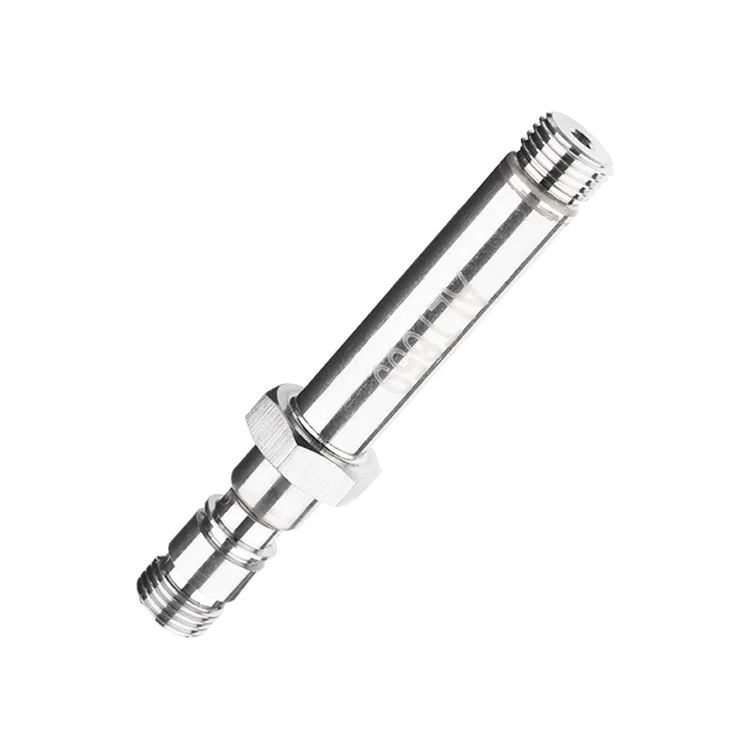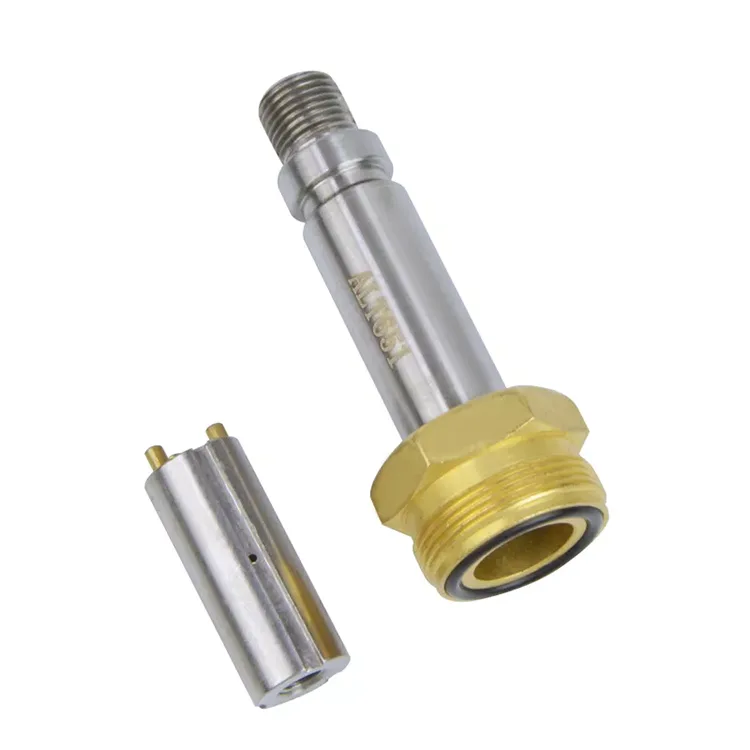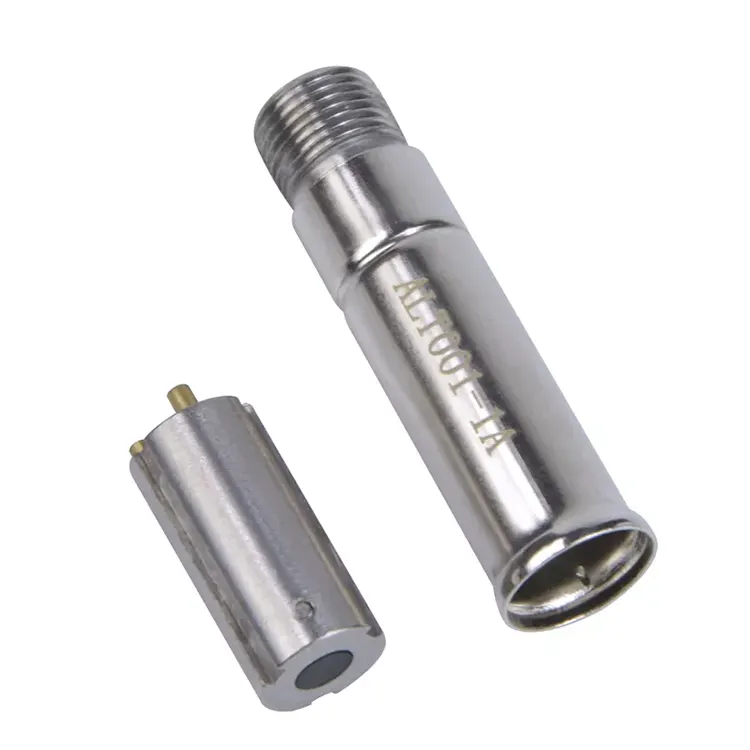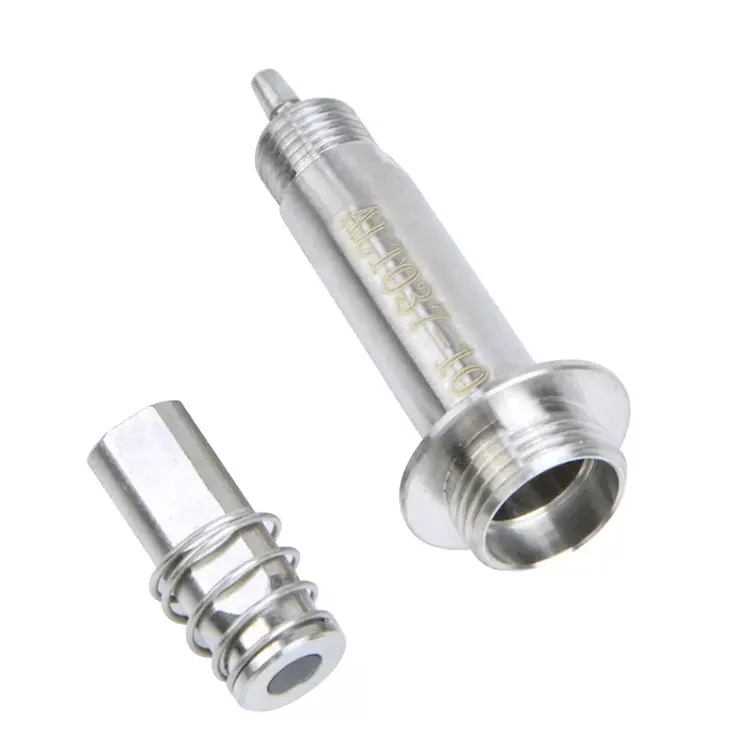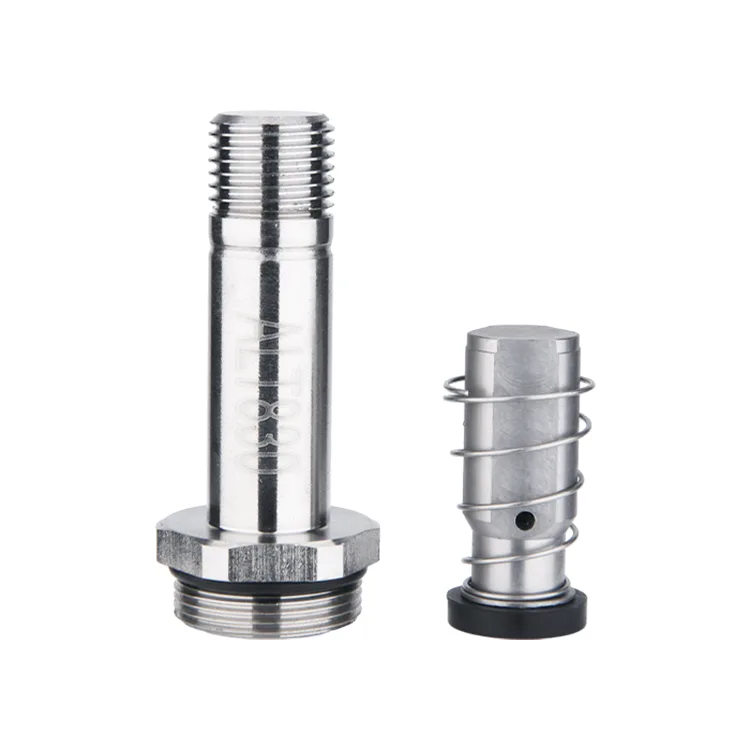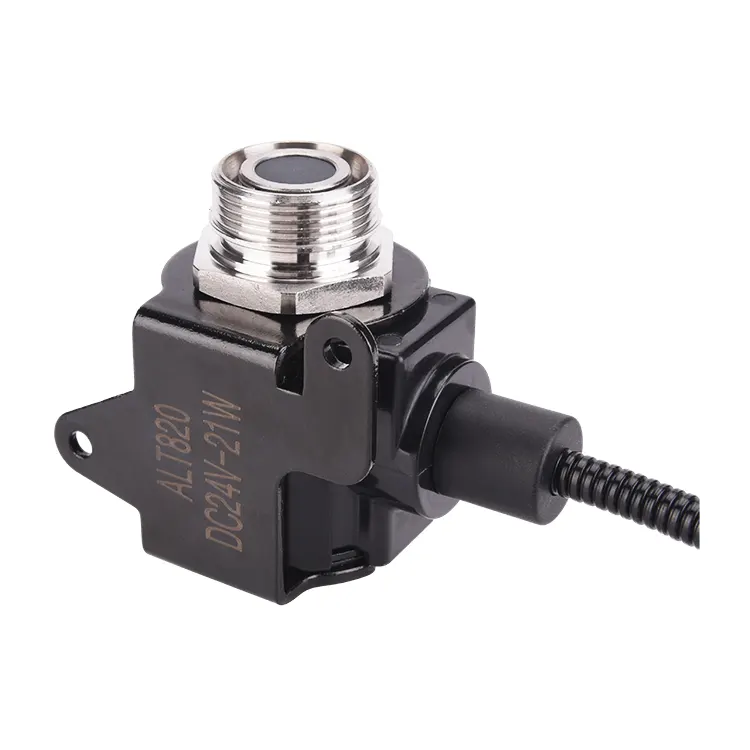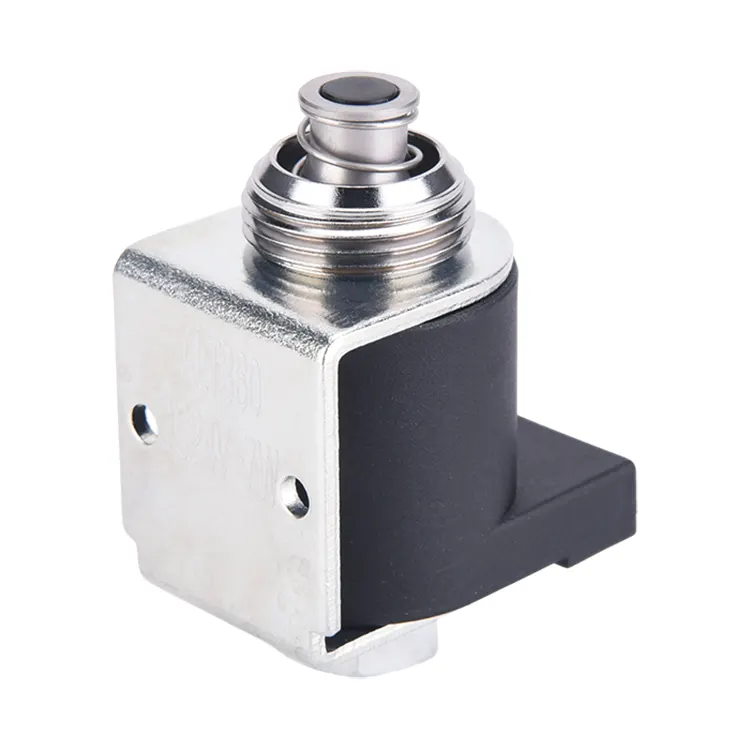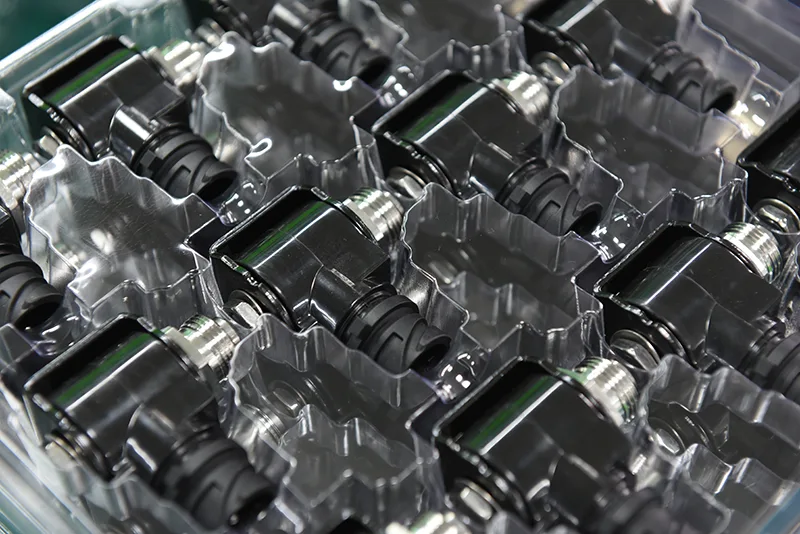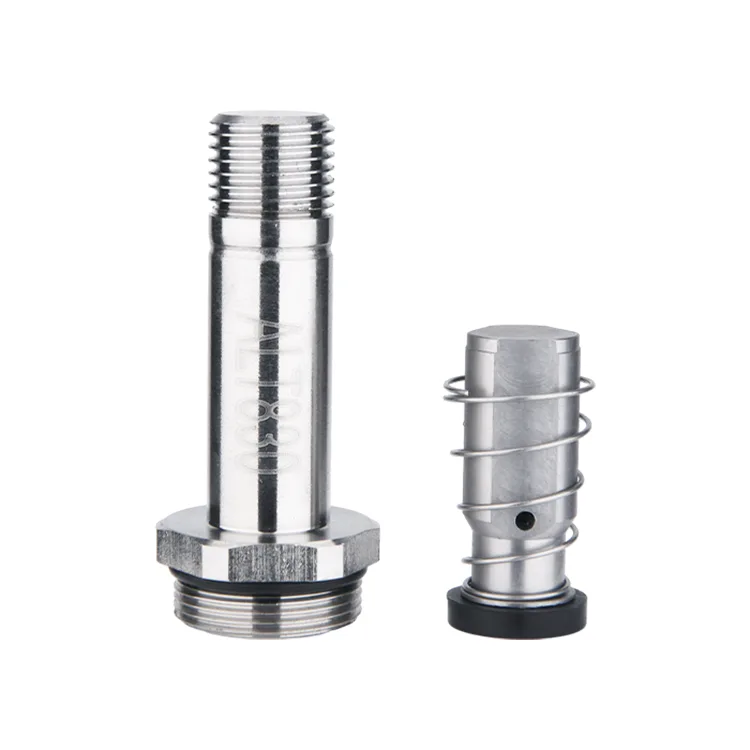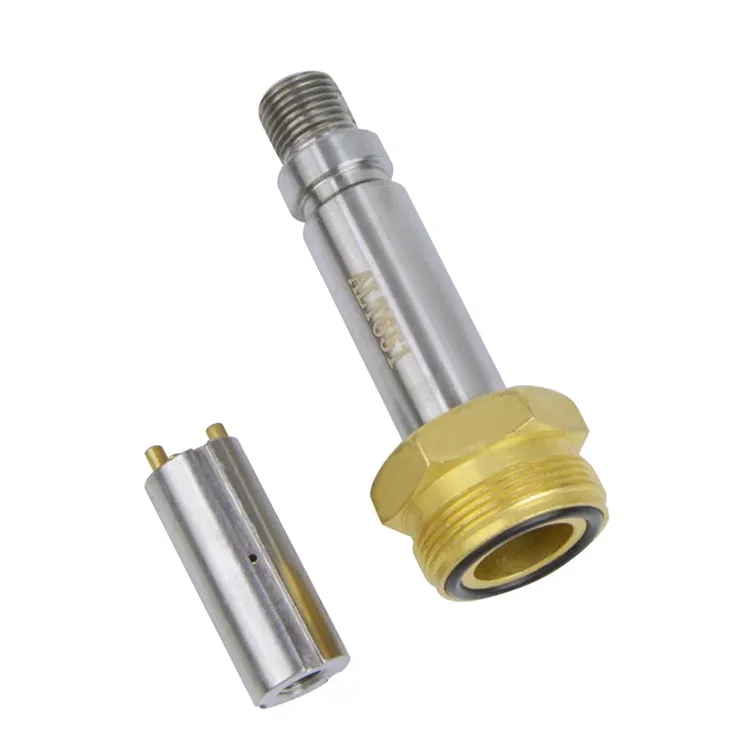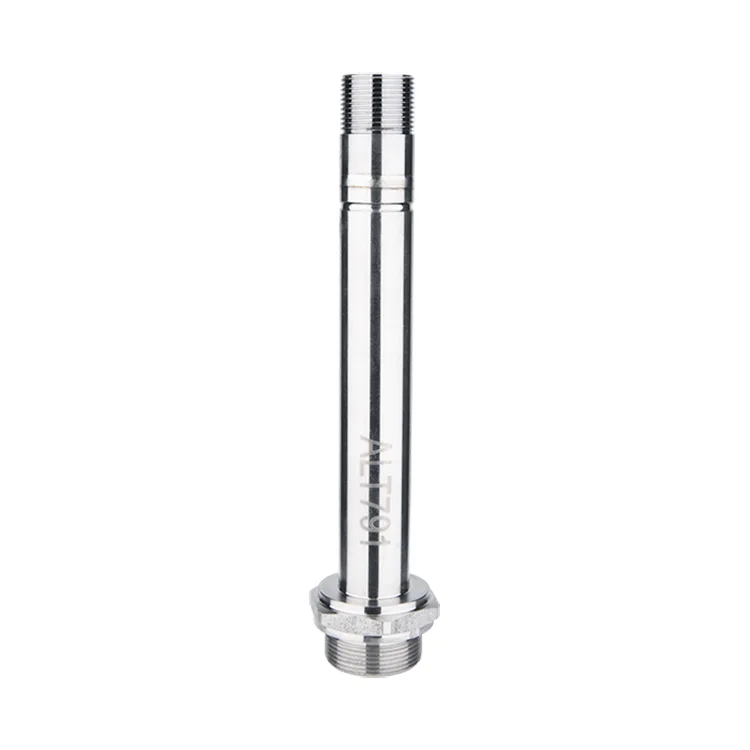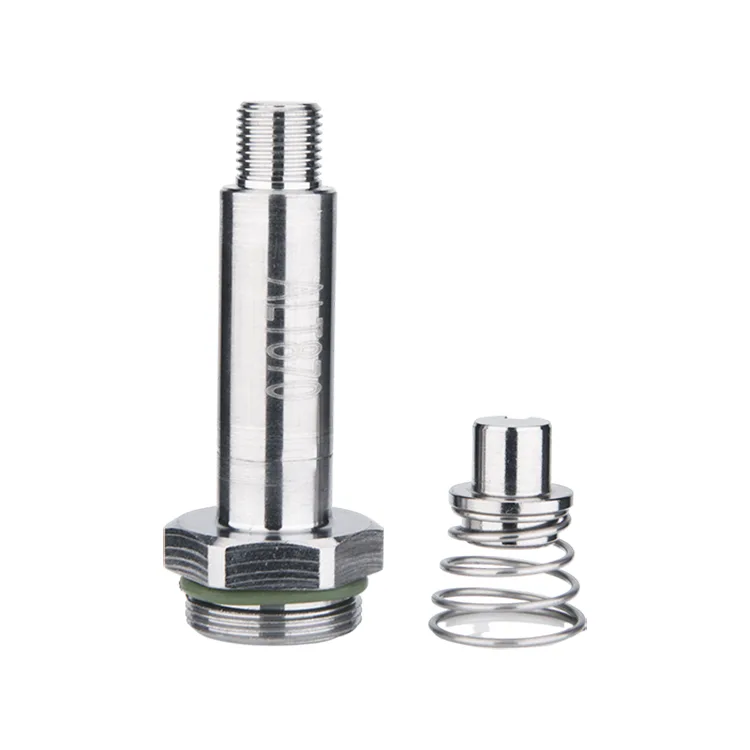
A 3-Way Solenoid Armatures operates the internal mechanism of a three-port solenoid valve, directing the connection between ports according to the valve design. Unlike a two-way assembly that controls a single switching path, this configuration must work with the valve's port arrangement and flow-switching logic. Armature travel, guiding accuracy and spring return behavior all affect whether the intended switching sequence can be achieved.
Ningbo Anlite Machinery Co., Ltd. develops customized assemblies for three-way valve structures, including shunting, selector and pilot-control applications. The armature can be matched with a compatible solenoid coil and integrated into a complete solenoid valve assembly, subject to confirmation of the mechanical and electrical specifications.
Three ports do not automatically mean that every valve uses the same switching arrangement. Before selecting an armature, clarify which ports should connect when the coil is energized and which connection should remain when power is removed. This operating logic determines the required armature movement and return position.
In a three-port valve, the armature must move through the designed travel while maintaining the required relationship with the internal sealing elements. Incorrect travel, excessive guiding friction or a mismatched spring can prevent the valve from reaching its intended switching position.
Concentricity and surface condition are also relevant to the fit and movement of the assembly. The magnetic pull generated by the coil must be considered alongside the armature's mechanical load and return spring. Reviewing these factors together helps identify dimensional or component mismatches before the assembly is approved.
A customized assembly should be evaluated against the valve's internal dimensions, port logic and electrical operating conditions. The core geometry determines how the armature fits and travels; the spring affects its return movement; and the coil must provide suitable magnetic actuation for the intended design.
Anlite also produces two-way solenoid armature assemblies for simpler switching functions. For a three-way design, the key distinction is the required movement and switching relationship within the three-port valve, not simply the number of external connections.
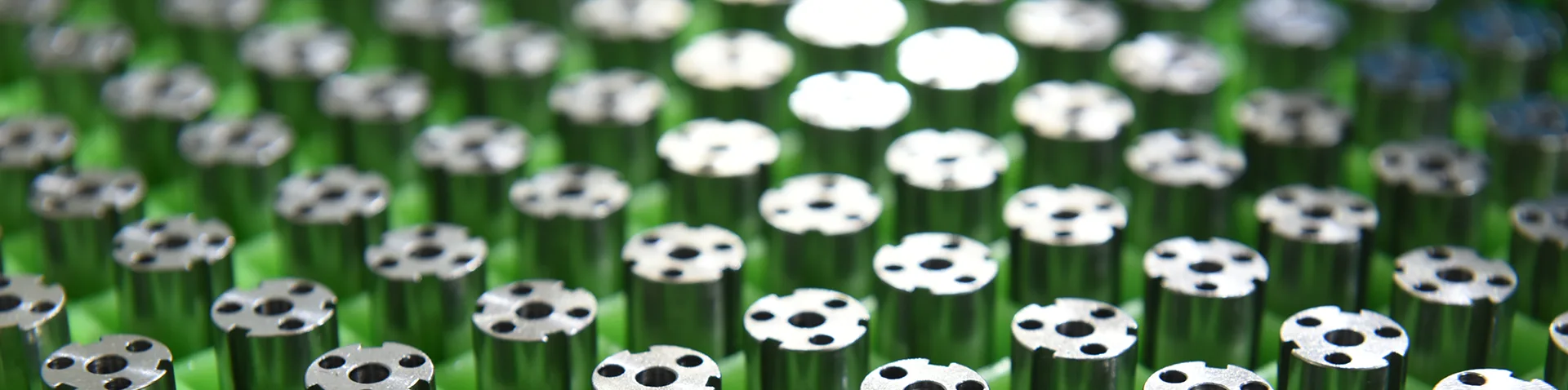
The supplied product information identifies concentricity and surface-finish inspections for the armature assembly, along with magnetic pull-force verification before assembly. These checks relate to the dimensional fit, surface condition and magnetic actuation of the components.
For project-specific requirements, confirm the inspection criteria, acceptance limits and available records before production. The final assembly should be evaluated against the agreed drawings and operating specifications rather than assumed suitable from appearance alone.
Three-way armature assemblies can be used in actuator control, analytical instruments and automation control equipment where a three-port valve performs a defined switching or pilot-control function. Actual suitability depends on the valve structure, controlled medium, pressure conditions and required operating sequence.
For a custom project, provide the available drawing or reference sample, working pressure, coil specifications and required port connections. These details help establish the core dimensions, spring arrangement and other specifications that need technical review.
A three-way assembly operates a valve with three ports and must follow its specified flow-switching logic. A two-way design is generally used for opening or closing a single flow path. The correct assembly depends on the valve's internal structure and required operating states.
Provide the valve drawing or sample, port configuration, required switching sequence, working pressure, armature dimensions, spring details and matching coil specifications where available. These details help determine which design requirements need confirmation.
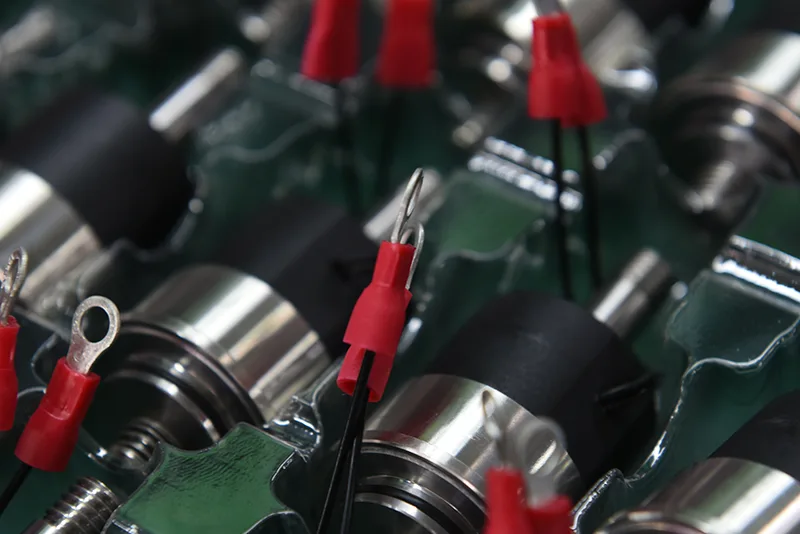
The armature can be coordinated with a compatible solenoid coil and integrated into a solenoid valve assembly. The coil voltage, electrical supply, magnetic requirements and mechanical interface should be confirmed for the specific design.
Concentricity affects how the armature aligns with its guiding structure, while surface condition can influence contact and movement. Both should be assessed against the design requirements and specified tolerances.
The spring helps return the armature to its designated position when the electromagnetic force changes. Its force and arrangement must suit the valve mechanism and required de-energized state. The appropriate specification depends on the actual design and operating conditions.
Customization discussions can start with drawings, reference samples or existing part details. Sample availability, evaluation requirements and production specifications should be confirmed with Anlite for the individual project.
Share your drawings, port-switching requirements and working pressure to help clarify the mechanical and operating conditions. Anlite can review the available information and discuss the required armature and spring configuration before sample evaluation or production.
Send your drawings or inquiry to discuss your custom 3-Way Solenoid Armatures project.