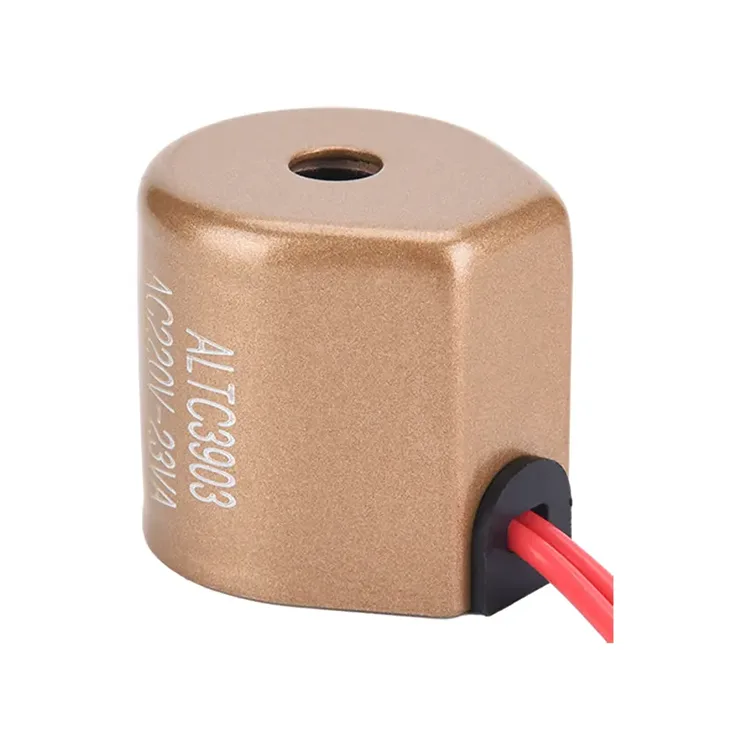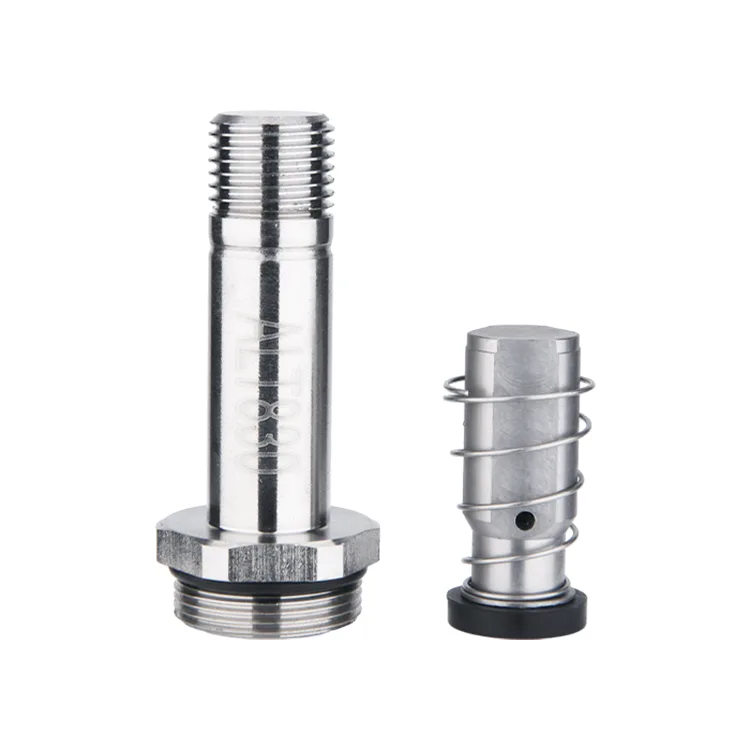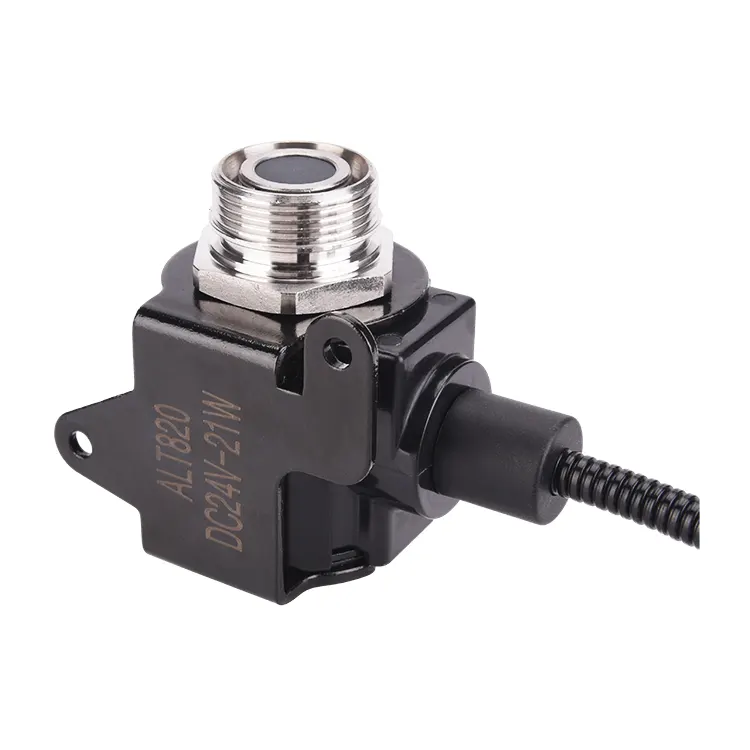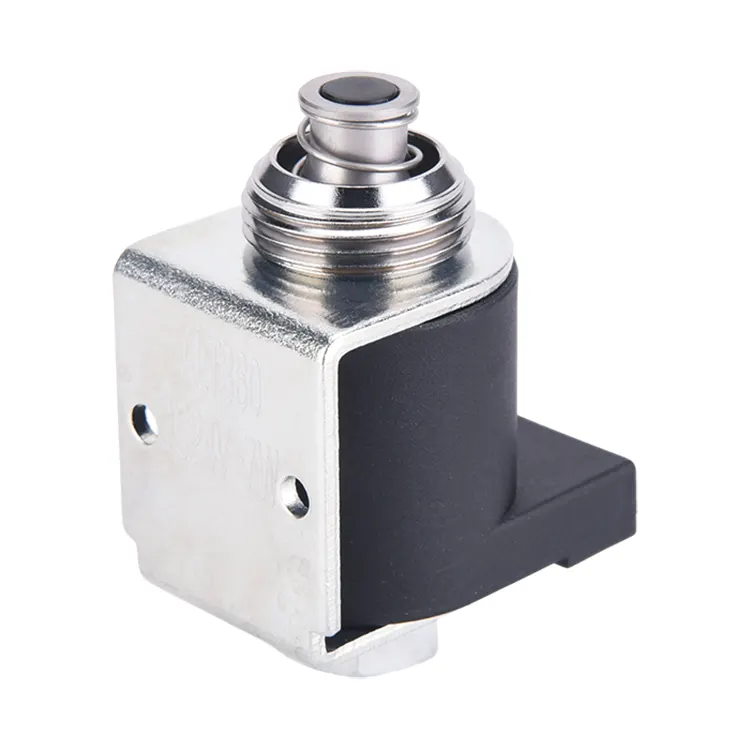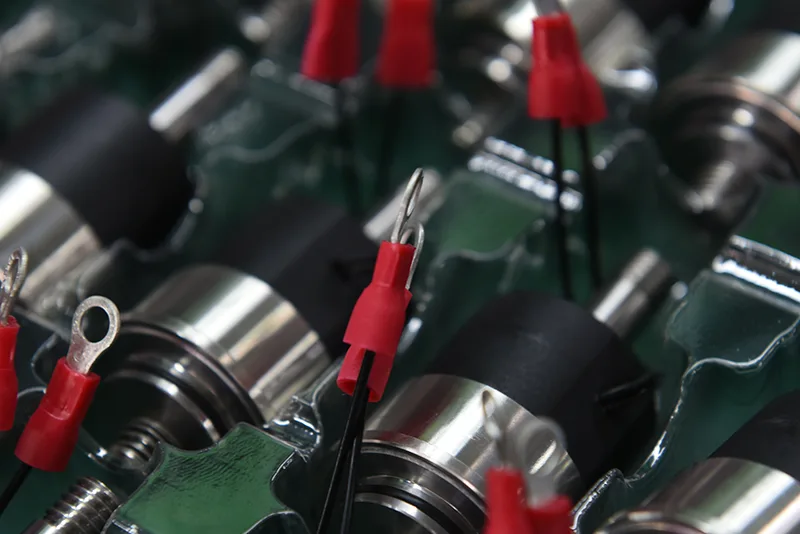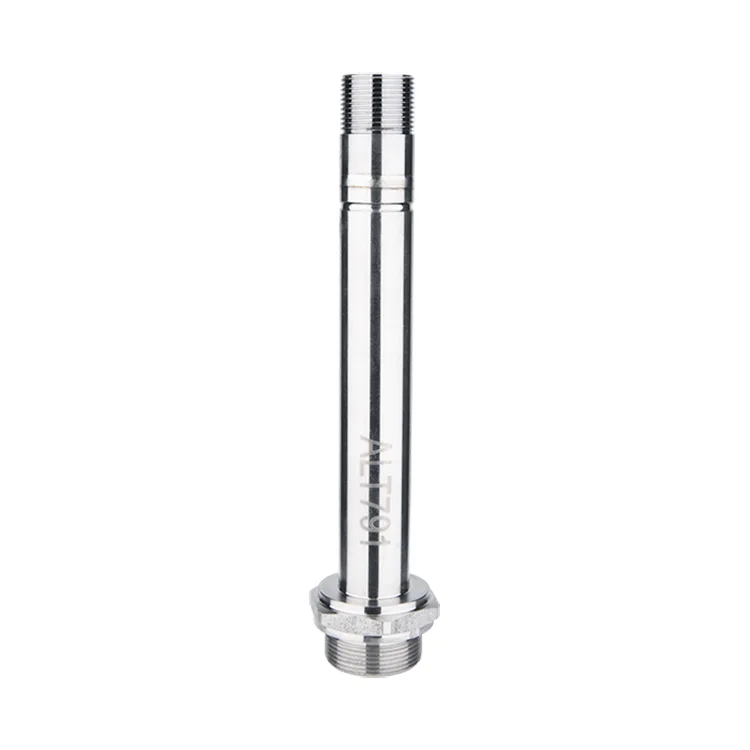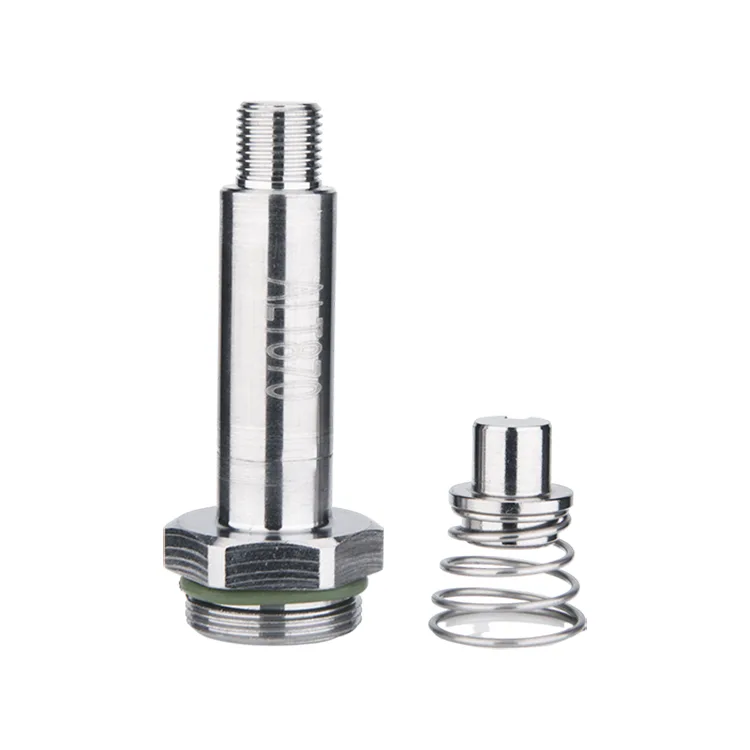
An AC solenoid coil generates the magnetic force needed to actuate a compatible solenoid armature. Unlike a DC coil, an AC coil operates with alternating current, and its electrical behavior changes during initial energization and normal holding operation. Coil selection therefore needs to account for supply voltage, frequency, power consumption and the operating conditions of the complete assembly.
Ningbo Anlite Machinery Co., Ltd. develops AC solenoid coils for integration with solenoid armature assemblies and solenoid valve assemblies. Custom requirements can be reviewed for 110V, 220V and other specified AC supplies, with the final winding configuration confirmed against the intended application.
At startup, the armature may not yet be in its final position, so the coil's current and magnetic conditions can differ from those during holding operation. Once the armature moves into position, the electrical behavior changes according to the magnetic circuit design. If the coil and armature are poorly matched, the assembly may produce excessive noise, vibration or heat.
When evaluating an AC solenoid coil, pay particular attention to these factors:
Noise is not determined by the coil alone. The magnetic circuit, armature fit, contact surfaces and assembly condition can all affect vibration during operation. Similarly, temperature rise depends on the electrical design, insulation system, ambient conditions and energization cycle.
Anlite's supplied product information specifies a copper short-circuit ring for its AC coil design to help reduce vibration. The company also identifies power-consumption, temperature-rise and withstand-voltage tests. For a particular model, confirm the applicable test conditions and acceptance limits before treating these characteristics as performance guarantees.
An AC coil should be matched to the armature and magnetic circuit it is intended to operate. The voltage and frequency must suit the power supply, while the coil's physical dimensions and magnetic characteristics must correspond to the assembly.
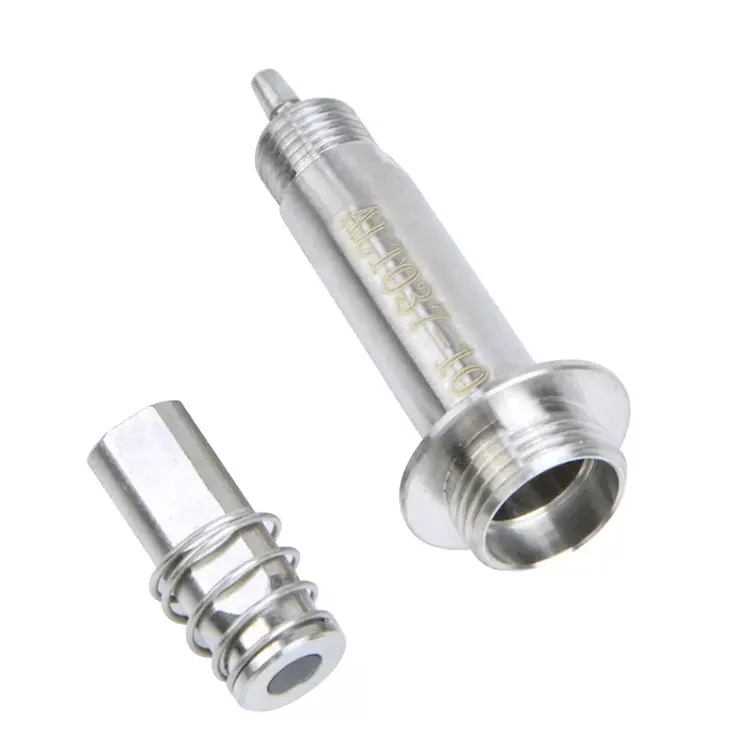
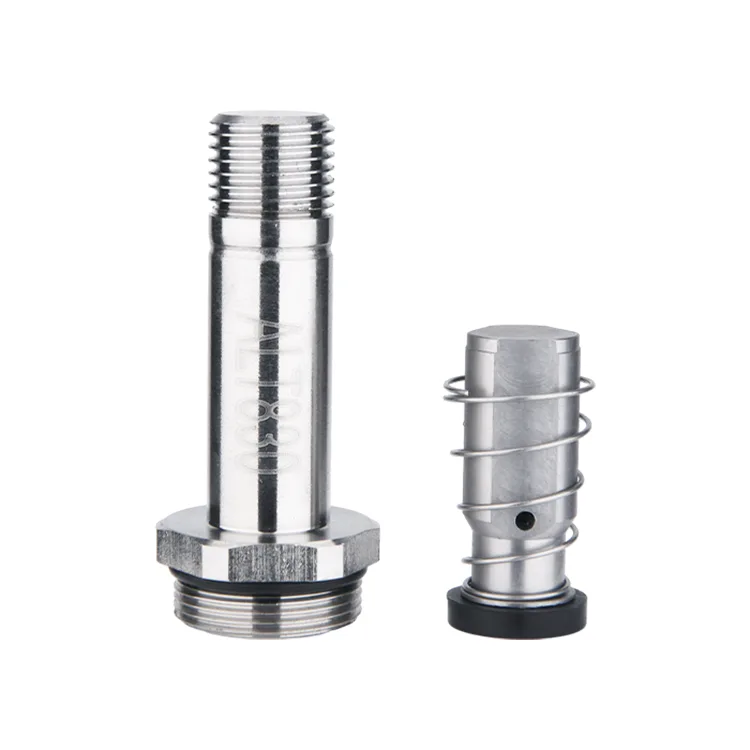
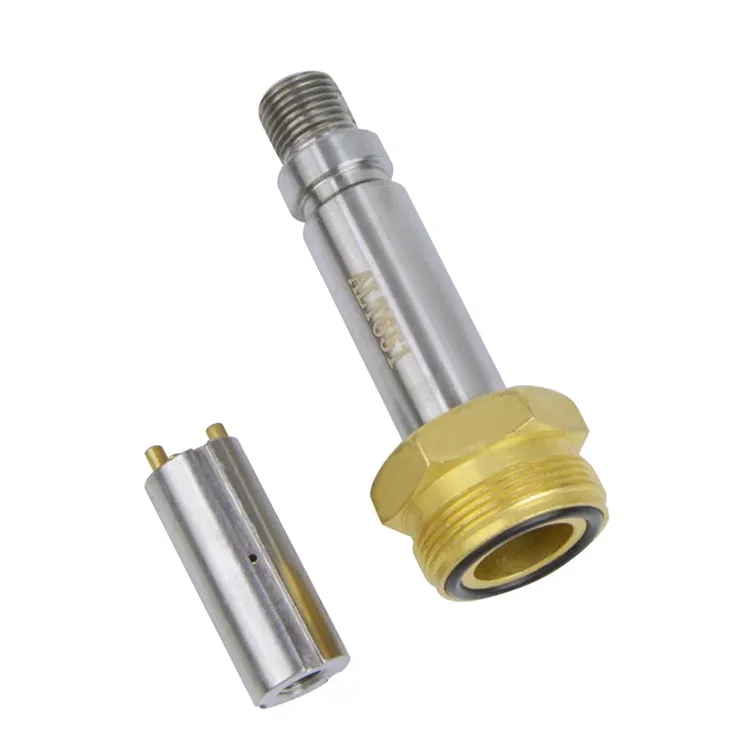
Anlite can review the AC coil together with a compatible solenoid armature assembly or complete solenoid valve assembly. This helps address interface and actuation requirements as part of the same design review, rather than selecting the winding solely by voltage.
The supplied specifications describe an insulation range from Class H to Class R. The exact insulation class for the requested model should be confirmed, together with its applicable temperature limits and design requirements.
Before production approval, confirm which electrical checks are required. The stated inspection items include power consumption, temperature rise and withstand voltage. If your project requires test reports, defined acceptance criteria or additional inspection records, specify these requirements during the quotation stage.
Typical application areas include HVAC equipment, industrial washing systems and general automation. The appropriate coil depends on the equipment's supply voltage, frequency, installation conditions, operating cycle and the armature mechanism being driven.
Anlite also produces DC coils and explosion-proof coils for different electrical supply and application requirements. These configurations are not interchangeable; the correct type must be selected according to the system design and the applicable requirements.
Only if the coil is specified for the intended voltage and frequency combination. Confirm the actual supply conditions before selecting a model, particularly when equipment will be used in different markets.
Possible causes include vibration in the magnetic circuit, incomplete armature seating, component fit issues or a mismatch between the coil and operating conditions. The coil and armature assembly should be checked together before identifying the cause.
In applicable AC magnetic circuits, the short-circuit ring helps reduce fluctuations in magnetic attraction that can cause vibration and humming. Its design must suit the magnetic circuit; it is not a substitute for correct assembly and component matching.
Start with the required electrical and thermal operating conditions, including ambient temperature and duty cycle. Confirm the insulation class and temperature limits for the specific coil model rather than relying on a general range alone.
No. AC and DC coils have different electrical characteristics and are designed for different power supplies. Select the coil according to the supply type, voltage, frequency and compatible magnetic assembly.
Provide the rated voltage, frequency, operating cycle, mounting dimensions, connector requirements and details of the matching armature or valve assembly. If available, include drawings, a reference sample and any temperature-rise or electrical test requirements.
Send Anlite your voltage, frequency, operating conditions and matching component details. The team can review the winding and insulation requirements and discuss a suitable configuration for sample evaluation or production.
Submit your AC coil inquiry to discuss your application and customization requirements.
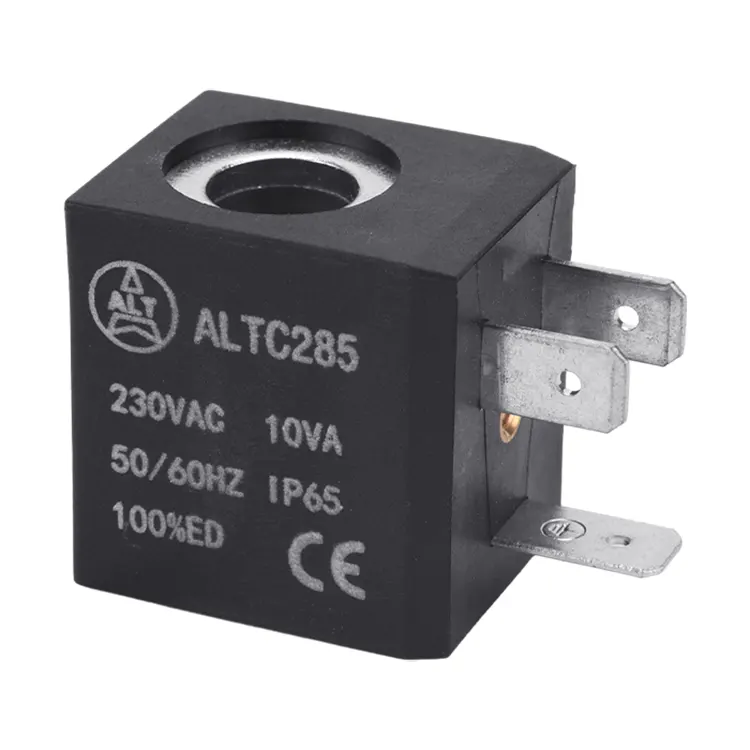
DIN Connector AC Solenoid Coils provide AC electromagnetic actuation for solenoid valves and industrial equipment. Their plug-in connector design makes electrical connection and coil replacement more convenient. Voltage ratings, power, dimensions and material options can be selected to suit different valve structures and operating requirements.