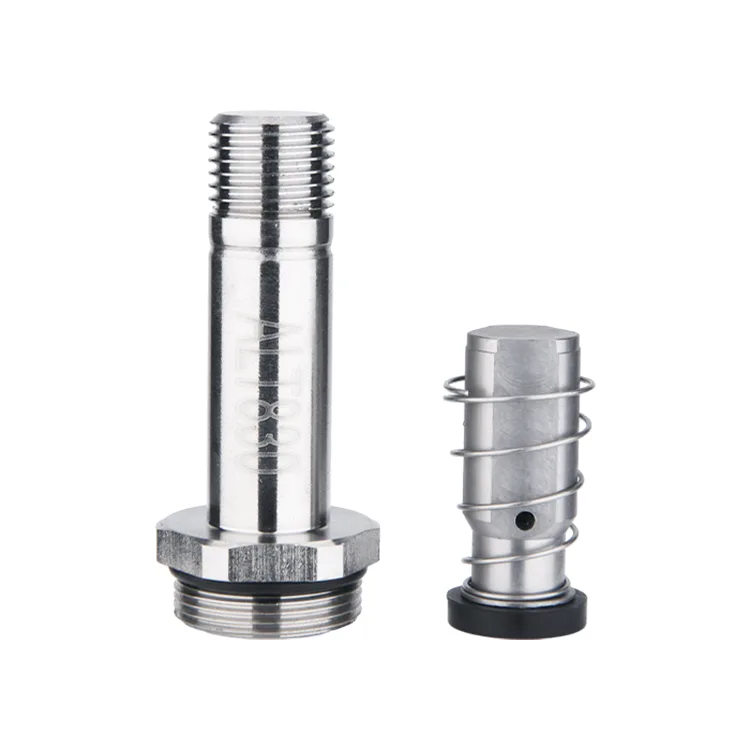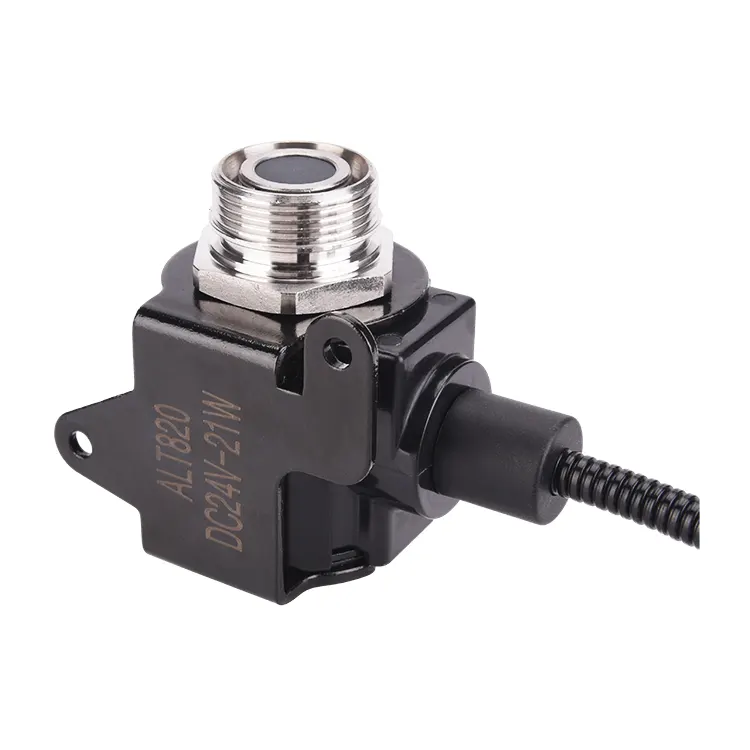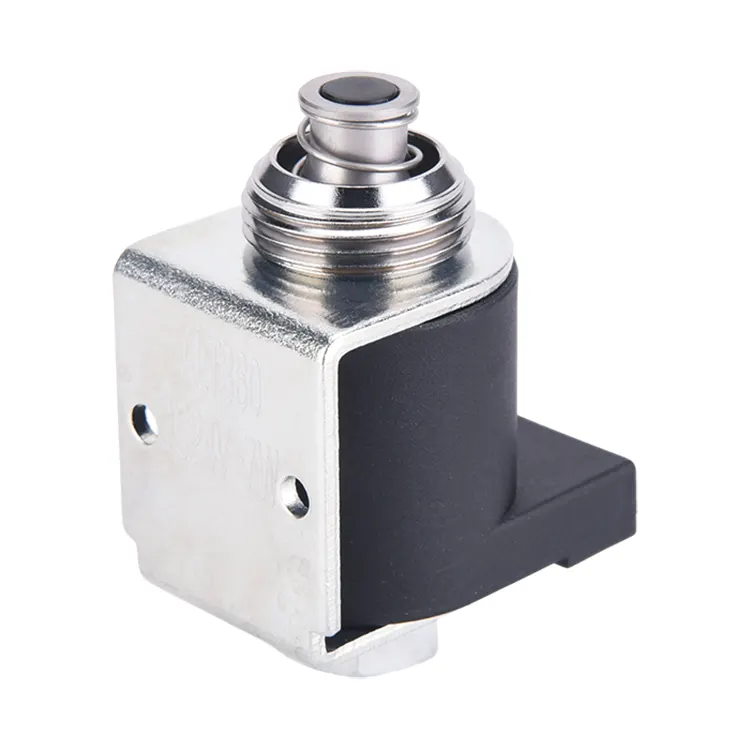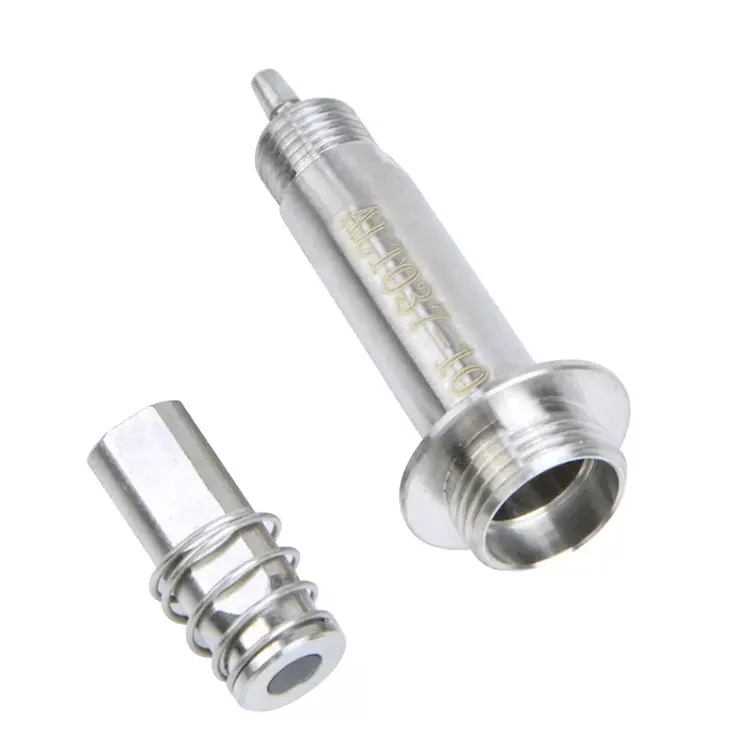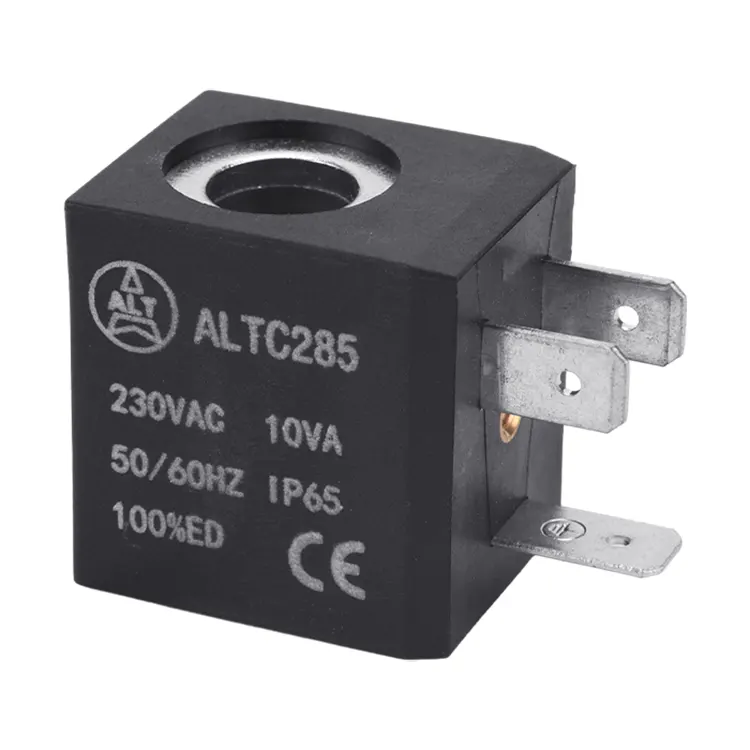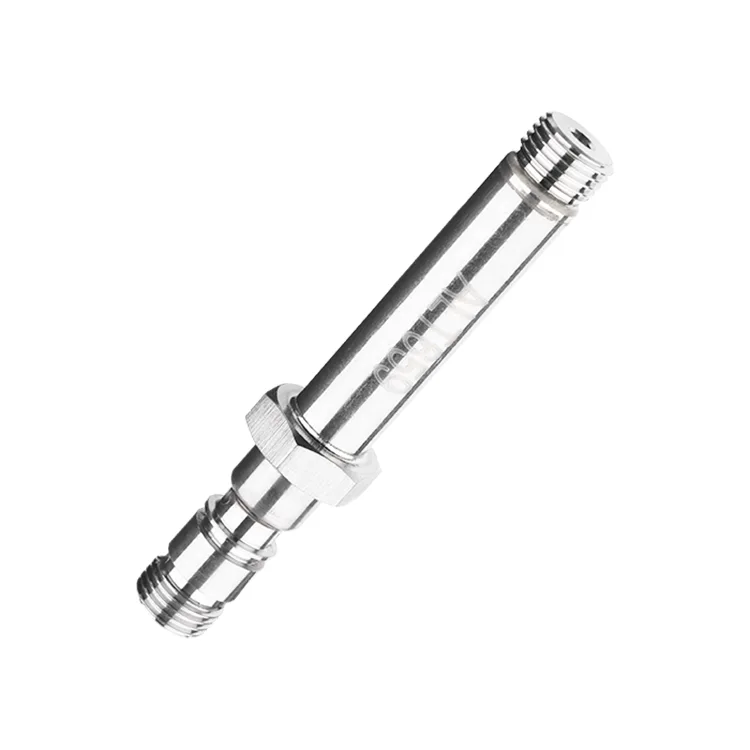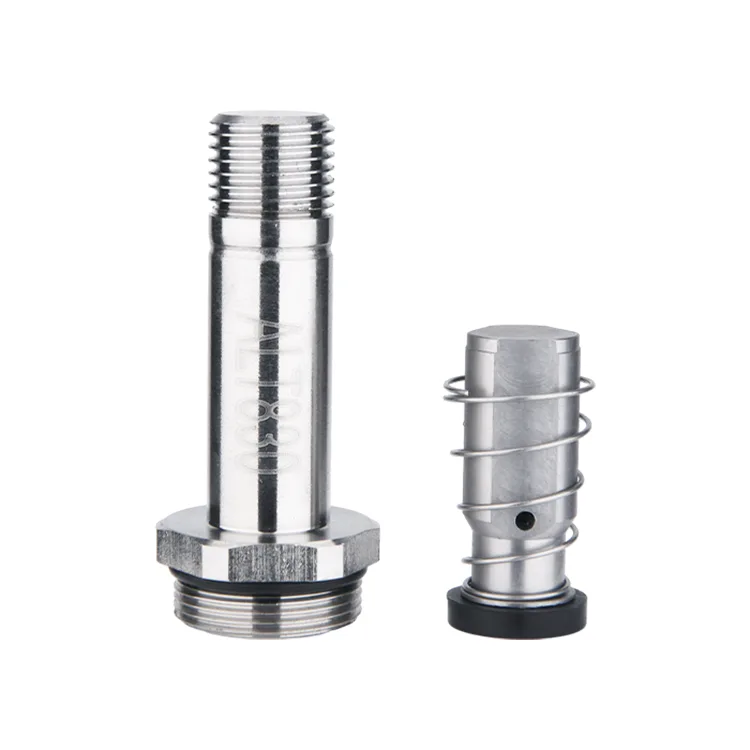
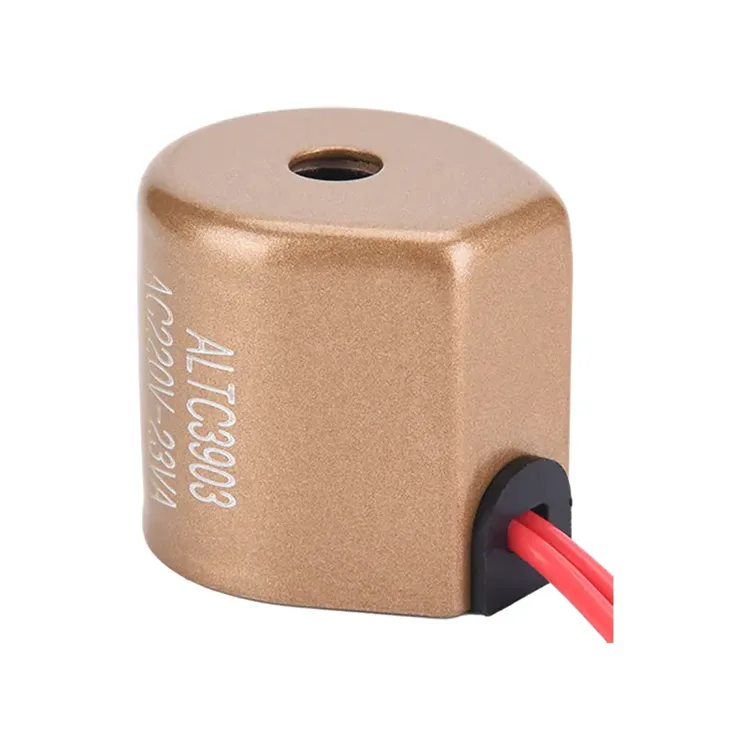
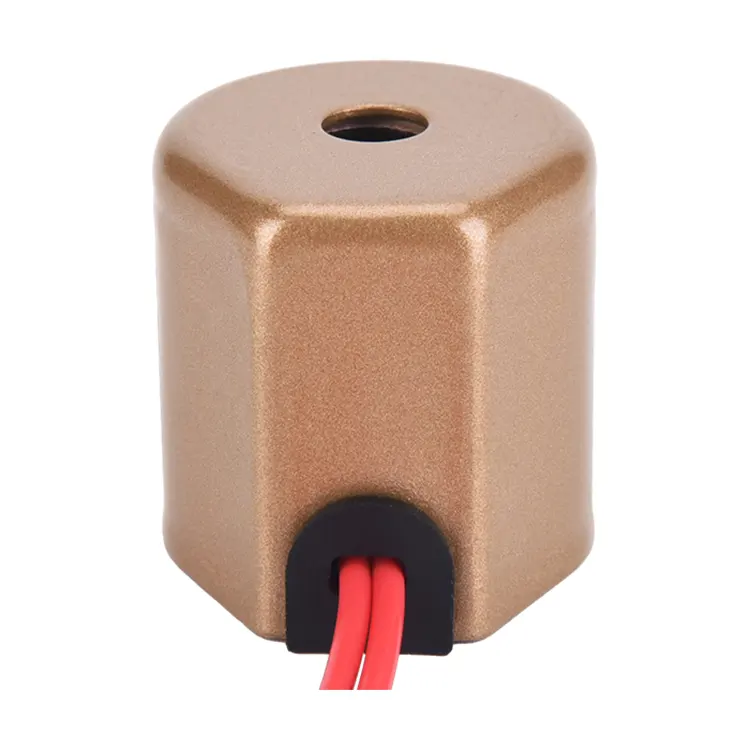
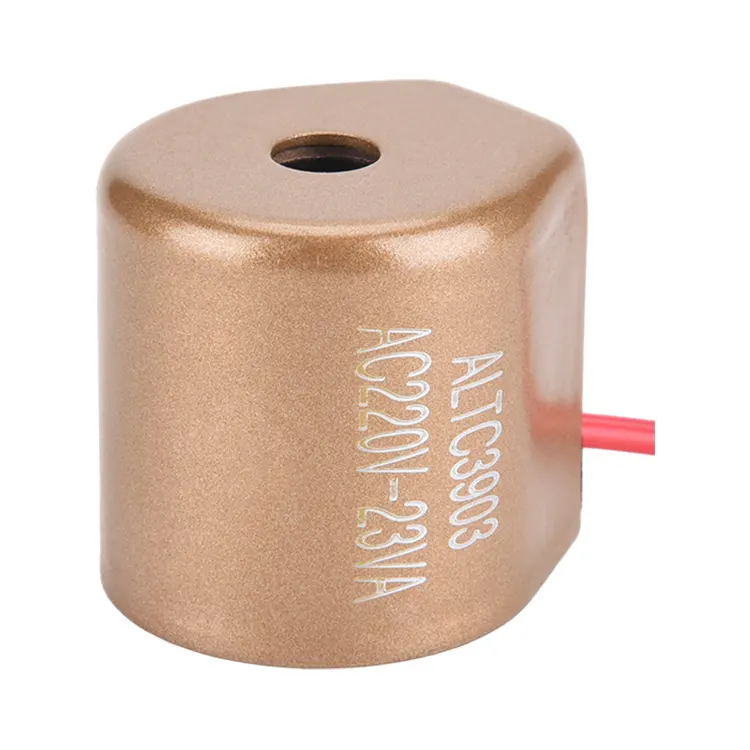
A lead wire solenoid coil uses pre-attached electrical leads rather than a separate plug-in connector. This arrangement allows the coil to be wired directly into the equipment's electrical system and can be useful where the installation design calls for fixed cable connections.
For equipment exposed to vibration or frequent maintenance, the lead exit, wire attachment and insulation around the connection are important design considerations. An integrated molded housing can also reduce the number of exposed external interfaces, depending on the coil construction.
The coil can be customized according to the available installation space, required lead length, electrical rating and mounting arrangement. For replacement applications, the original coil dimensions and connection details should be checked before confirming compatibility.
Solenoid valves and fluid control equipment
Industrial automation systems
HVAC equipment
Construction and mobile machinery
Mechanical equipment using AC electromagnetic actuation
The suitability of a particular coil depends on its rated voltage, power, duty cycle, thermal conditions and the mechanical design of the associated solenoid assembly.
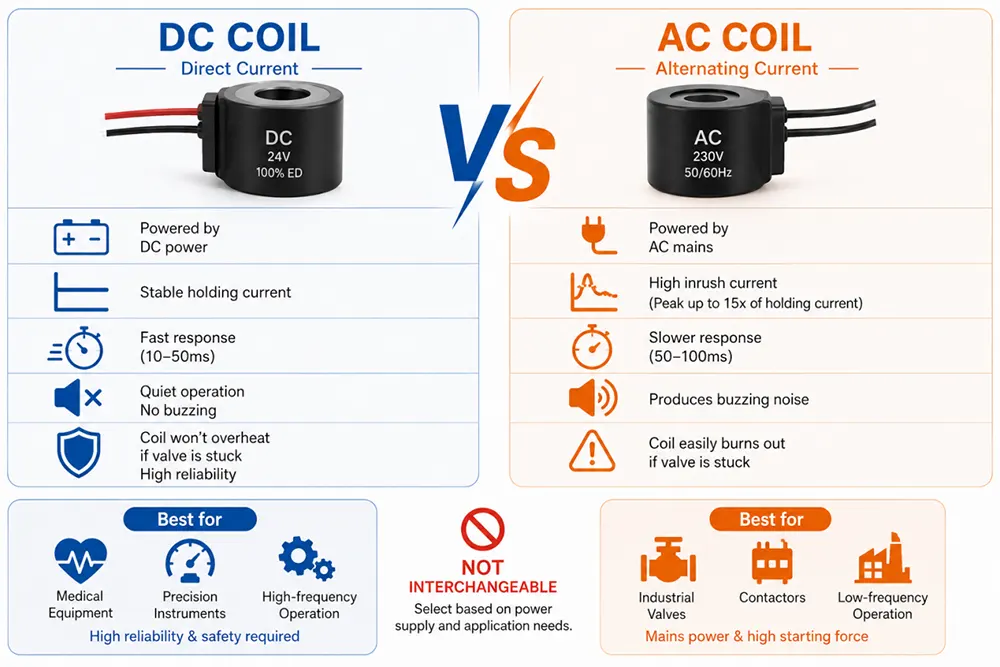
AC and DC solenoid coils differ in their electrical behavior and must be selected according to the requirements of the complete solenoid mechanism.
An AC coil operates from an alternating-current supply. Its current and magnetic field vary with the supply waveform, and the coil's electrical characteristics change as the armature moves. In suitable designs, the initial current can be considerably higher than the steady operating current, providing strong initial magnetic attraction.
This behavior makes the relationship between the coil and the armature particularly important. If the armature cannot move into its intended position, the coil may draw excessive current and overheat. Correct mechanical installation, rated voltage and operating conditions are therefore essential.
Supply type and voltage: Confirm that the coil is designed for the available AC supply.
Starting and holding behavior: Check that the coil matches the armature design and required actuation force.
Duty cycle: Determine whether the coil is intended for intermittent or continuous energization.
Heat dissipation: Account for ambient temperature, mounting conditions and enclosure design.
Connection arrangement: Confirm lead length, terminal connection method and available installation space.
Response time, inrush current and operating noise depend on the coil design, supply frequency, armature movement and test conditions. Specific values should be established for the relevant model rather than assumed across the entire product range.
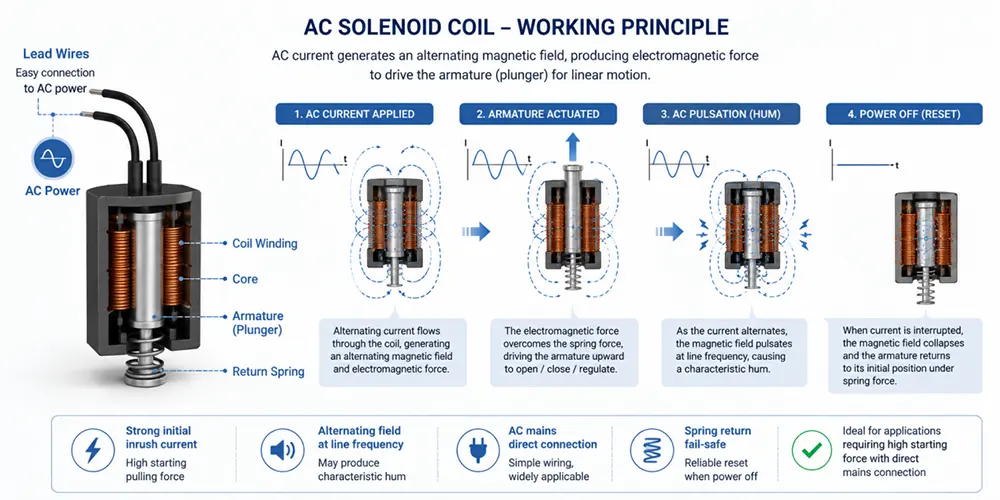
When AC voltage is applied through the attached leads, current flows through the winding and creates an alternating magnetic field. The magnetic field acts on the solenoid's magnetic circuit and produces force on the movable armature or plunger.
The resulting movement can open, close or regulate a mechanism, depending on the design of the valve or equipment.
As the armature moves, the magnetic circuit and coil inductance change, influencing the electrical current. The coil and armature must therefore be designed to work together under the specified supply and operating conditions.
When power is removed, the magnetic field decays. The armature then returns according to the mechanism's design, commonly through a return spring.
The lead wire construction provides the electrical connection to the winding, while the bobbin, bracket, insulation system and outer housing support the coil's electrical and mechanical requirements.
The material configuration can be adapted to the operating environment and the mechanical requirements of the solenoid assembly.
The supplied specification identifies Class H magnet wire rated at 180°C. The actual insulation system and permitted operating temperature must be considered together with the complete coil design and thermal conditions.
QA and QZY are listed as available lead insulation options. The appropriate specification should be confirmed according to the electrical rating, temperature requirements and connection design.
Nylon, PPS and PBT are available bobbin materials. Selection depends on dimensional requirements, thermal conditions, chemical exposure and compatibility with the encapsulation process.
DC01 and DT4E cold-rolled steel are listed for bracket construction. The appropriate material depends on the mechanical structure and magnetic circuit requirements of the specific coil.
Nylon and BMC are available encapsulation options. Material selection should account for the required insulation, dimensional stability, mechanical protection and operating environment.
These material options allow the coil structure to be configured for different applications. The final combination should be established against the approved drawing and technical specification.
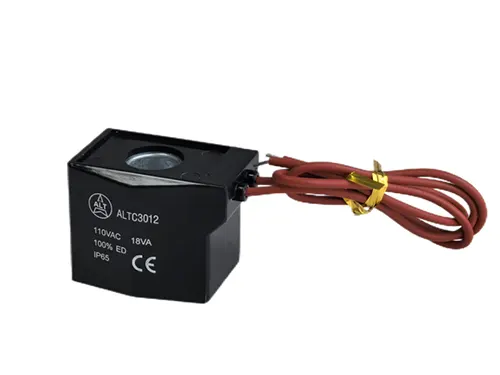
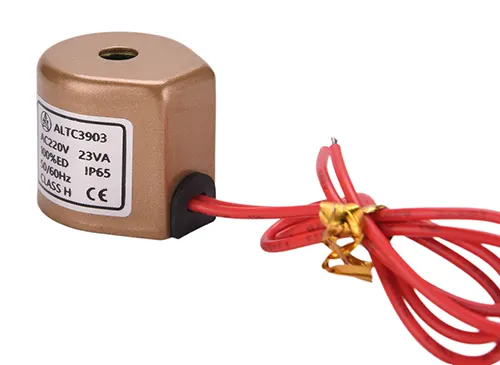
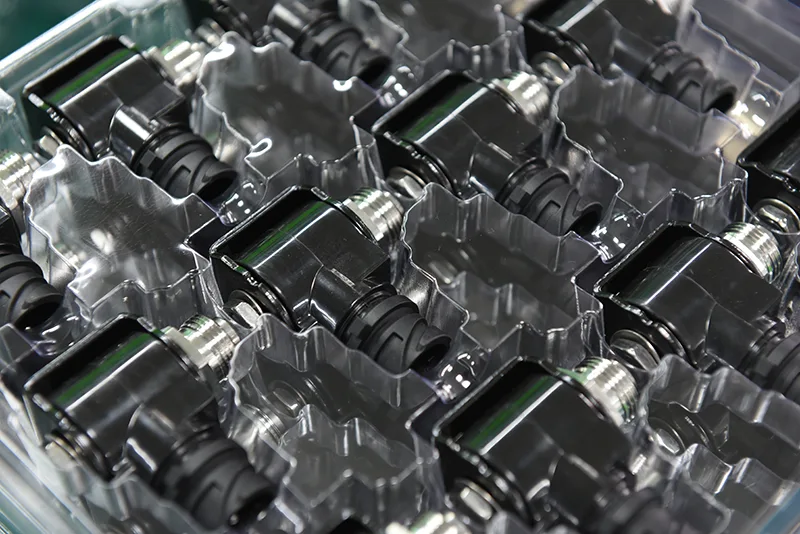
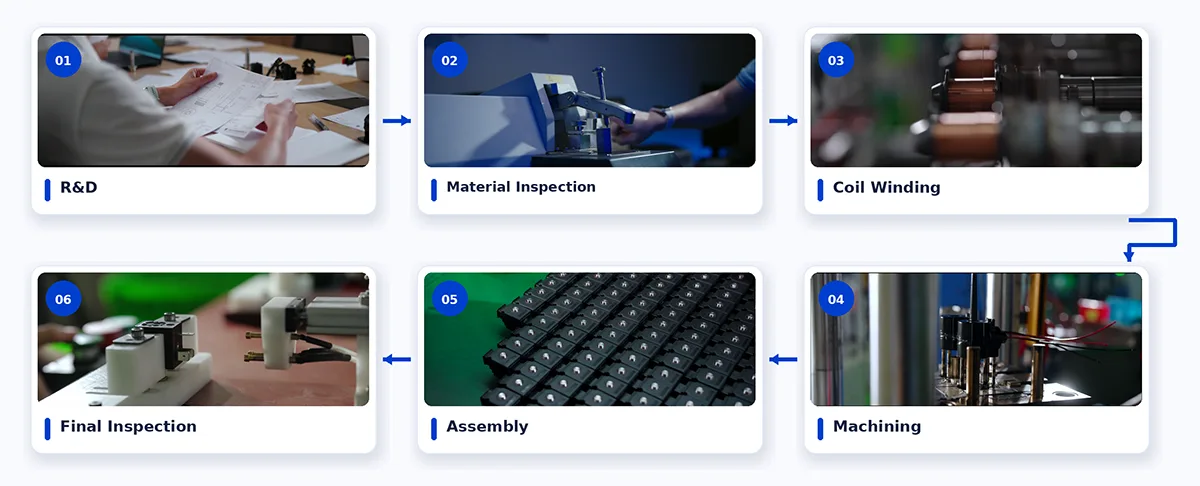
Our Lead Wire AC Solenoid Coils are manufactured through controlled winding, lead connection and encapsulation processes to meet the specified electrical and mechanical requirements.
Coil Winding: Automatic and semi-automatic winding equipment supports standard and customized coil designs.
Lead Connection: Winding terminals are connected to the lead wires and insulated according to the product design.
Encapsulation: Nylon or BMC overmolding options are available for different structural and environmental requirements.
Quality Inspection: Inspection may include electrical performance, temperature rise, insulation withstand voltage and mechanical checks, according to the product specifications.
Sample testing can be arranged before mass production to confirm that the coil meets the agreed technical requirements.
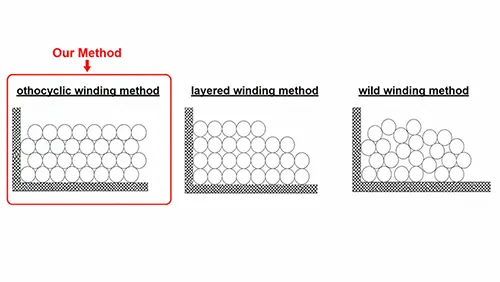
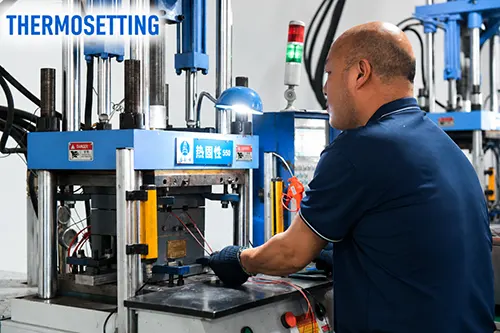
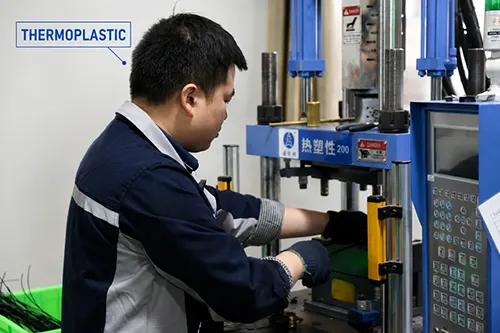

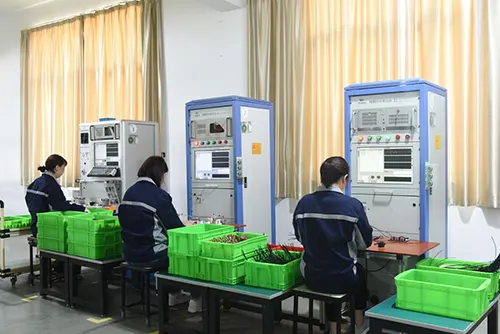
The coil can be configured around the electrical supply, installation arrangement and operating conditions of the intended equipment.
|
Customization Item |
Available Information |
|
Supply voltage |
12VAC, 24VAC, 110VAC and 220VAC; other options on request |
|
Power rating |
To be specified according to the application |
|
Lead length |
Customizable |
|
Insulation class |
Class H (180°C) magnet wire specified |
|
Bobbin material |
Nylon, PPS or PBT |
|
Bracket material |
DC01 or DT4E cold-rolled steel |
|
Overmolding material |
Nylon or BMC; PBT is also listed for applicable molded constructions |
|
Duty cycle |
Confirm according to the intended operating conditions |
|
Coil dimensions |
Based on the required drawing and installation space |
For a replacement coil, please provide the existing part number, rated voltage, power rating, overall dimensions and lead arrangement. If the original drawing is unavailable, clear photographs and measurements can help establish the initial technical requirements.
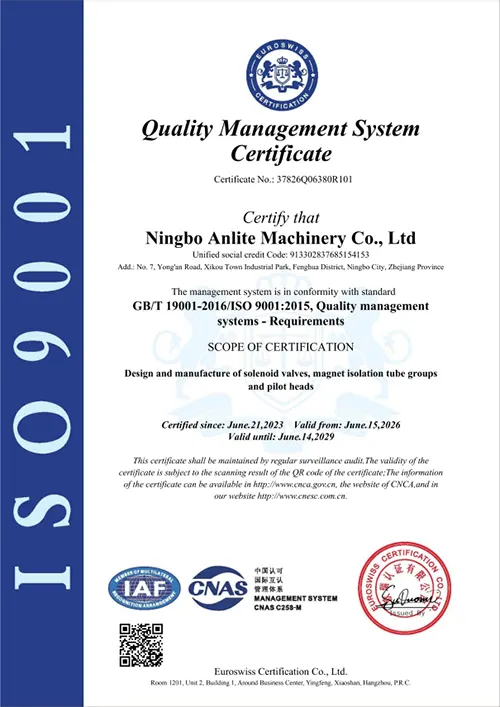
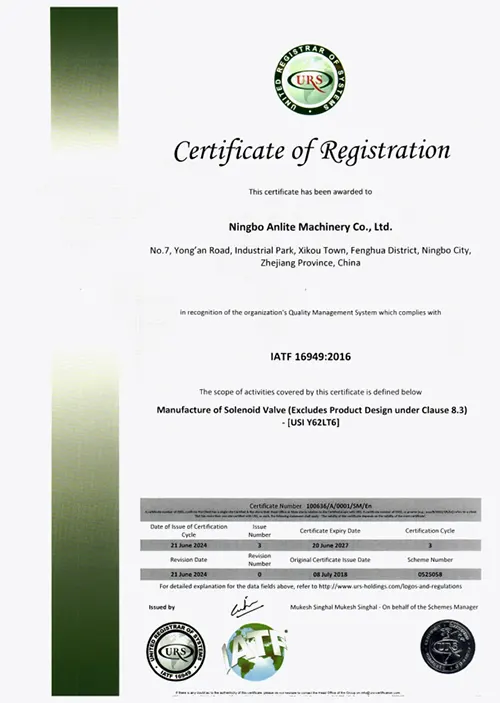
The supplied company information lists ISO 9001, IATF 16949, CE and other relevant certifications. It also identifies UL-related material information and RoHS compliance claims.
These statements should be presented according to the actual documents available. Management system certifications, component recognition and product-level conformity are different forms of evidence and should not be treated as interchangeable.
For a project requiring specific compliance documentation, the applicable certificate, product scope and material declarations should be reviewed before the coil is approved.
The listed standard options are 12VAC, 24VAC, 110VAC and 220VAC. Other voltage and power specifications can be customized according to the application requirements.
The supplied specifications identify Class H magnet wire rated at 180°C and an IP65 protection rating for the applicable molded coil construction. Other configurations should be confirmed against their actual technical specifications.
Pre-attached leads allow the coil to be wired directly into the equipment's electrical system. This arrangement can simplify installation where a fixed cable connection is required. The appropriate lead length, routing and insulation must be selected for the application.
The listed IP65 molded construction is intended to provide protection against dust ingress and water jets under the applicable test conditions. Suitability for a specific outdoor installation also depends on temperature, chemical exposure, cable routing and the protection of the surrounding equipment.
Customization can be evaluated using the existing coil's electrical specifications, dimensions, lead arrangement and mounting details. The valve model or original part number is also useful when checking the required fit and actuation characteristics.
The manufacturing process identifies electrical performance checks, inter-turn withstand voltage tests, temperature rise tests, mechanical strength tests and final high-voltage withstand testing. The actual test plan and acceptance criteria depend on the product specification.
Not necessarily. AC and DC coils have different electrical characteristics and may use different magnetic circuit designs. Replacements must match the specified supply type, voltage, power requirements, dimensions and solenoid assembly.
To evaluate a standard or customized coil, send us the required AC voltage, power rating, lead length, coil dimensions and application details. If the coil is intended to replace an existing part, include the original model number or a dimensional drawing where available.
The technical requirements can then be reviewed before sample development and quotation.
Address
No. 7, Yongan Road, Xikou Industrial Zone, Fenghua District, Ningbo City, Zhejiang Province, China
Tel