Article Summary: This blog explores the 3-way normally open AC solenoid armature from Anlite, explaining its working principle, key advantages, selection criteria, and maintenance tips. It covers why this component matters in pneumatic and fluid control systems, how to choose the right model, and when to replace it. Anlite’s expertise in solenoid armature manufacturing is highlighted throughout, with practical guidance for engineers, buyers, and maintenance teams.
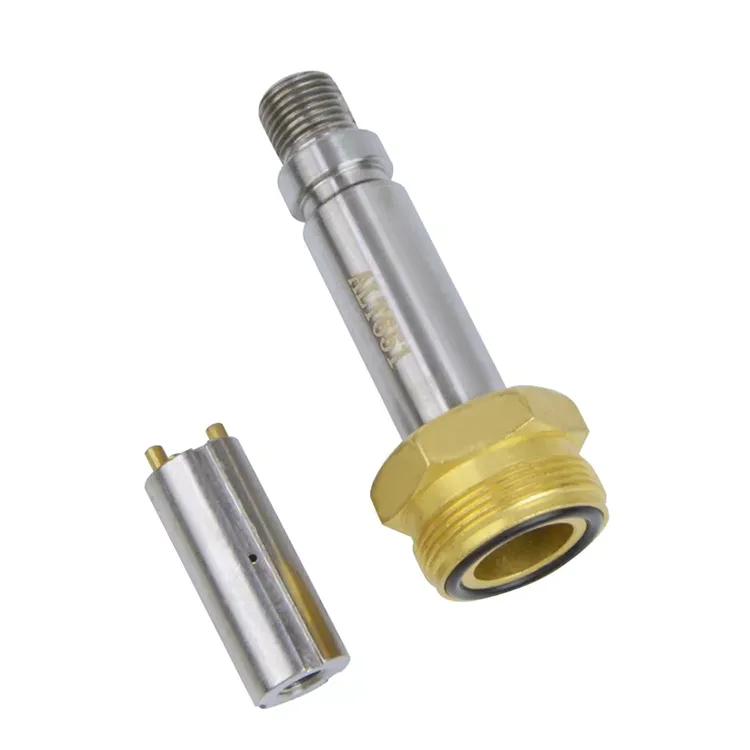
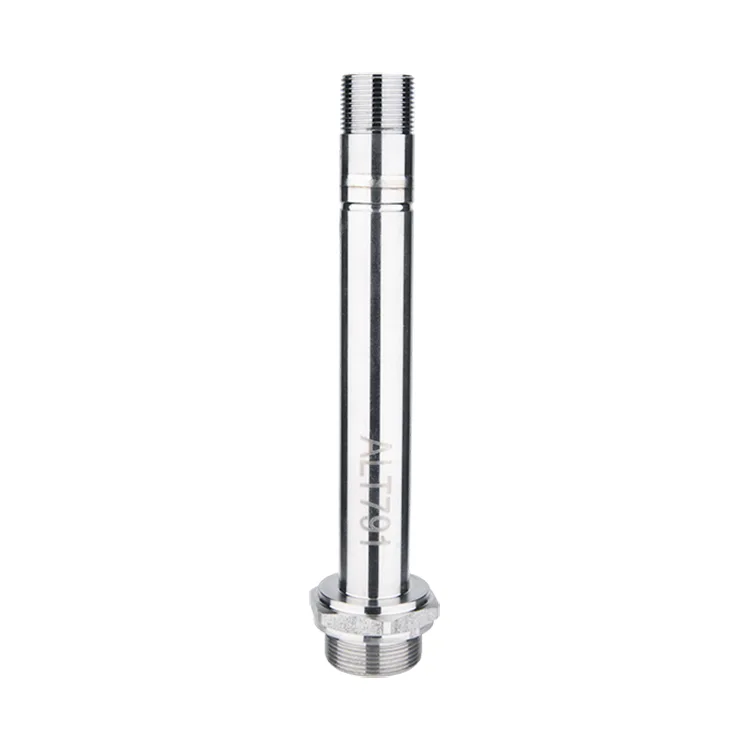
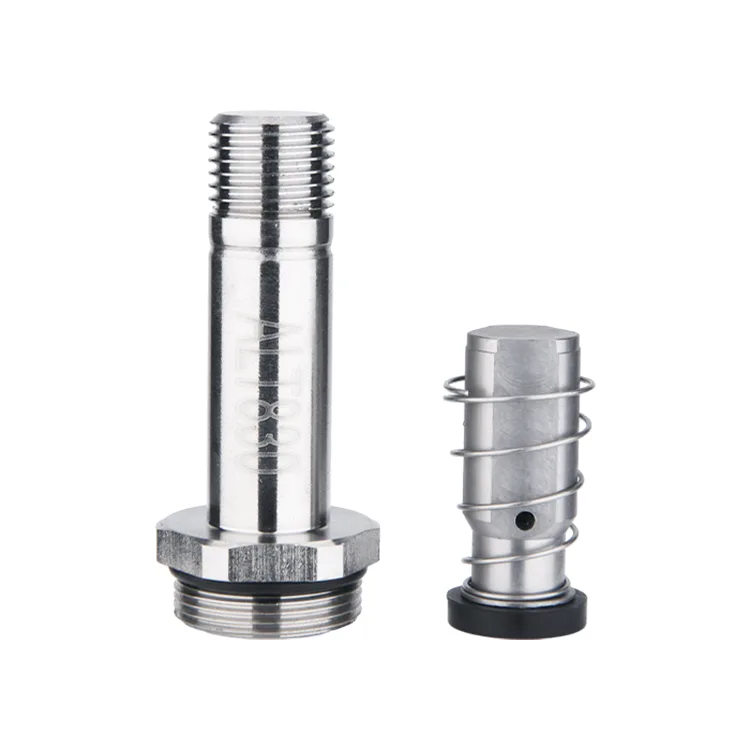
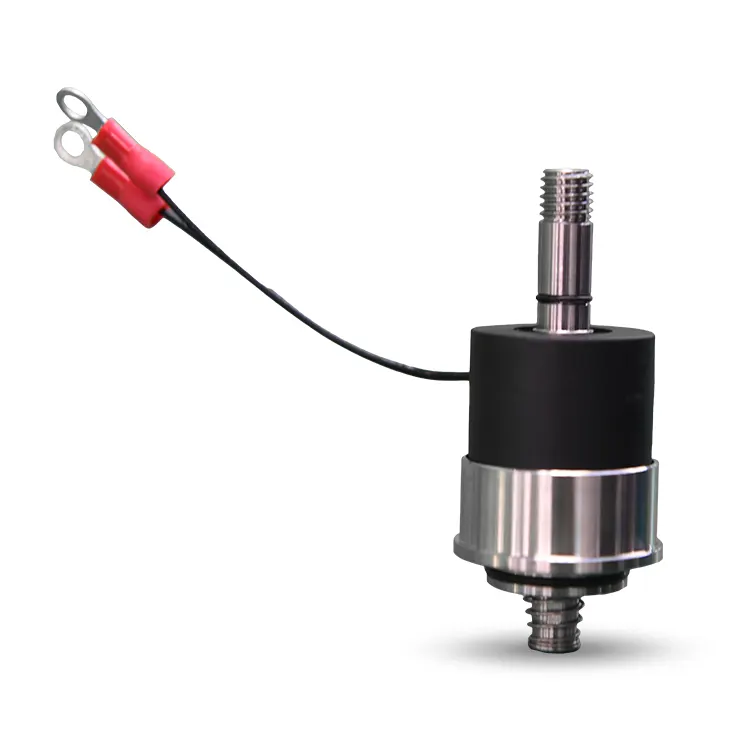
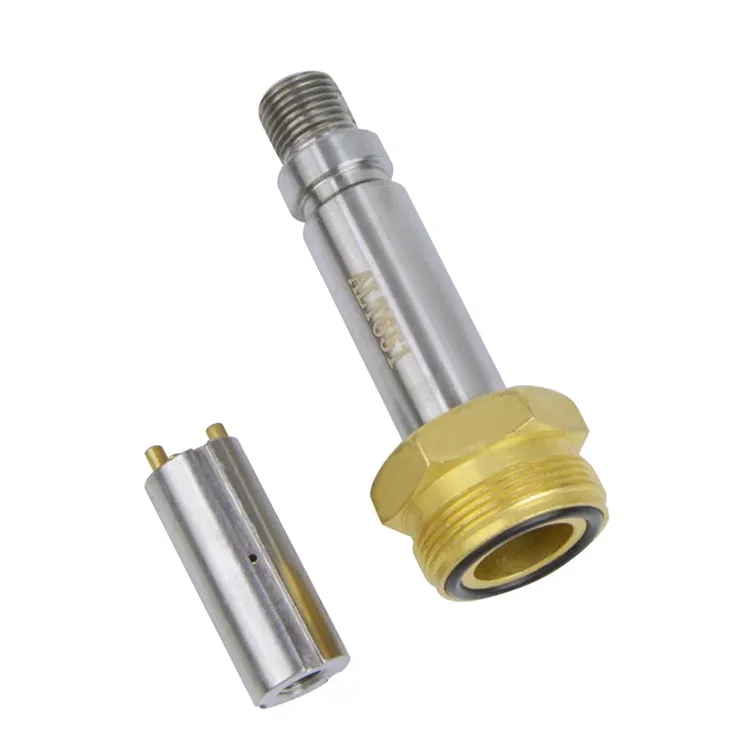
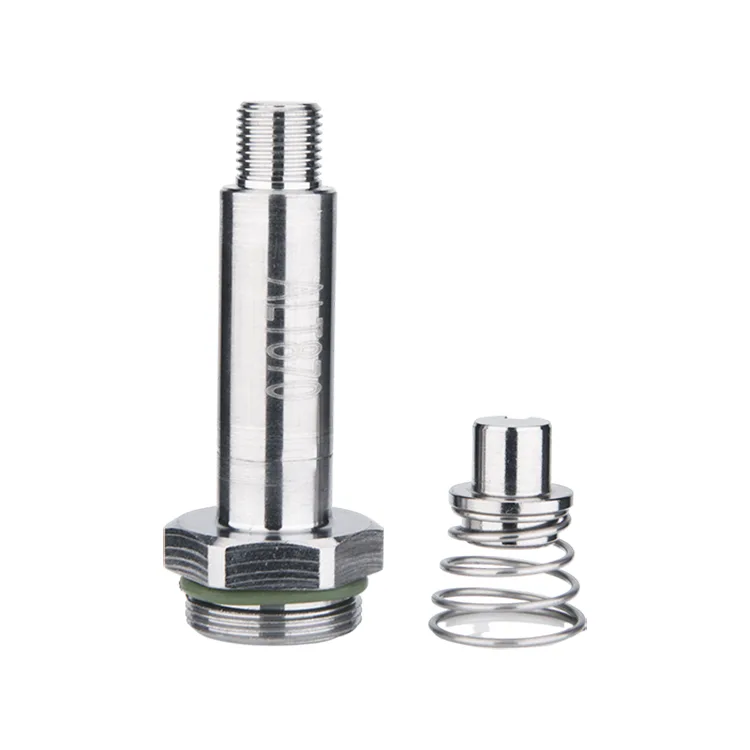
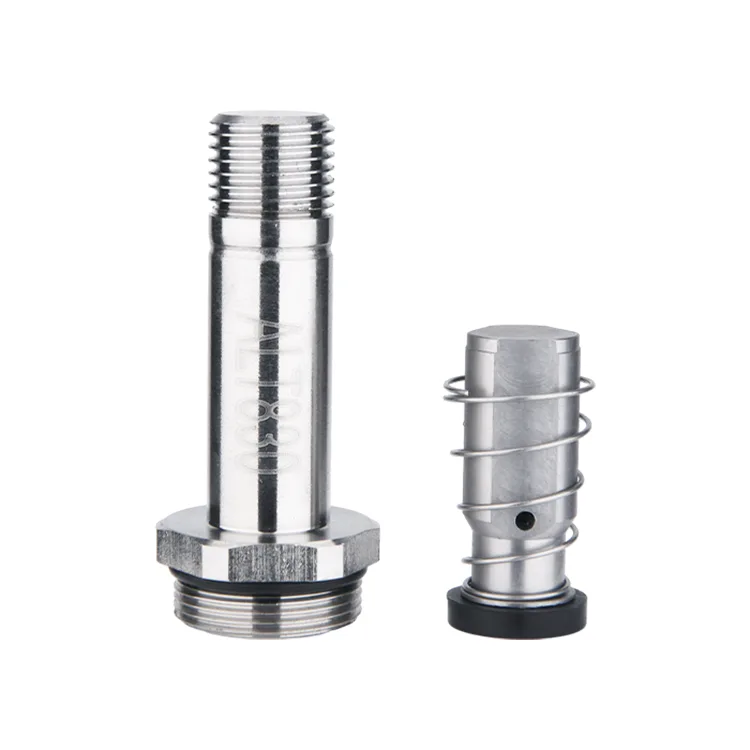
A 3-way normally open AC solenoid armature is the movable magnetic core inside a solenoid valve that controls the opening and closing of three fluid or gas ports. In a normally open configuration, the valve remains open when the solenoid is de-energized, allowing flow between the common port and one of the other ports. When AC power is applied, the armature moves to close the passage and redirect flow. This component is widely used in pneumatic systems, water treatment, medical equipment, and industrial automation.
At Anlite, a trusted manufacturer of solenoid armatures, the 3-way normally open AC solenoid armature is engineered for reliable performance under alternating current. The armature is typically made from high-permeability magnetic stainless steel or electrical pure iron, with a precision-ground surface to minimize friction and wear. Its design must account for the alternating magnetic field of AC power, which causes vibration and hum—challenges that Anlite addresses through careful lamination and shading ring design.
Unlike DC solenoids, AC solenoid armatures experience zero-crossing points where the magnetic force momentarily drops. A shading ring (also called a shading coil) is embedded in the armature or the pole face to maintain holding force during these zero crossings. This detail is critical for 3-way normally open valves, where stable operation prevents chatter and extends service life.
| Parameter | Common Range | Notes |
|---|---|---|
| Voltage | AC 12V, 24V, 110V, 220V, 380V | Custom voltages available at Anlite |
| Frequency | 50 Hz / 60 Hz | Dual-frequency designs supported |
| Stroke | 0.5 mm – 3.0 mm | Depends on valve orifice size |
| Holding Force | 5 N – 50 N | Must exceed spring and fluid pressure |
| Material | Stainless steel 430, pure iron, low-carbon steel | Corrosion-resistant options available |
| Surface Finish | Ra 0.2 – Ra 0.8 | Reduces friction and sticking |
Choosing a 3-way normally open AC solenoid armature offers several practical advantages in system design and safety. First, the normally open configuration provides a fail-safe behavior: if power is lost, the valve opens to a designated safe state—often venting pressure or allowing flow—which is essential in emergency shutdown systems. Second, AC solenoids are often preferred in existing AC control circuits because they eliminate the need for rectifiers or DC power supplies, simplifying wiring and reducing cost.
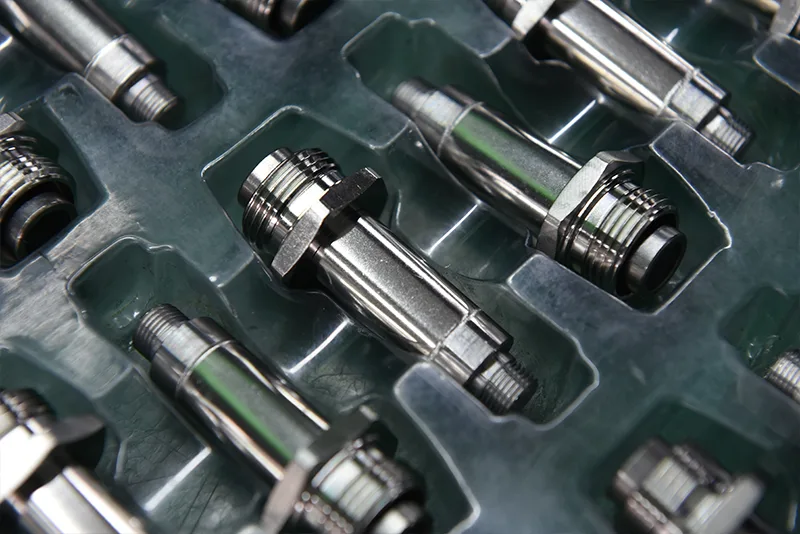
Anlite’s armatures are designed with low hysteresis and high magnetic efficiency, which translates to faster response times and lower heat generation. In 3-way normally open valves, the armature must seal one port while opening another; precision machining of the armature’s sealing face is therefore critical. Anlite uses CNC grinding and lapping processes to achieve flatness within microns, minimizing leakage and improving repeatability.
Another reason to choose this type is compatibility with a wide range of media—air, water, oil, and neutral gases—provided the correct seal material is selected. The armature itself is usually isolated from the media by a diaphragm or O-ring, but its magnetic properties must remain stable over millions of cycles. Anlite’s quality control includes 100% magnetic flux testing and dimensional inspection to ensure consistent performance.
The working principle of a 3-way normally open AC solenoid armature revolves around electromagnetic force and spring return. In the de-energized state, a return spring pushes the armature to a position that connects the common port (often labeled “A” or “1”) to the normally open port (labeled “B” or “2”), while the normally closed port (labeled “C” or “3”) is blocked. When AC current flows through the solenoid coil, an alternating magnetic field is generated, pulling the armature toward the pole piece. This movement closes the passage between A and B and opens the passage between A and C.
Because the current is alternating, the magnetic force pulsates at twice the line frequency (100 Hz or 120 Hz). Without mitigation, the armature would vibrate and produce audible noise. A shading ring—a copper or brass ring embedded in the pole face—creates a phase-shifted magnetic flux that fills the zero-crossing gaps, keeping the armature seated smoothly. Anlite’s engineers optimize the shading ring’s geometry and material to minimize chatter and extend the life of the valve.
The armature’s stroke and force characteristics must match the valve’s spring and fluid pressure. If the holding force is too low, the valve may leak or fail to shift under high pressure. If the stroke is too long, response time increases and magnetic efficiency drops. Anlite provides custom armature designs with force-stroke curves tailored to specific valve bodies, ensuring optimal performance.
| State | Common Port (A) | Normally Open Port (B) | Normally Closed Port (C) |
|---|---|---|---|
| De-energized (Normally Open) | Connected to B | Open | Blocked |
| Energized | Connected to C | Blocked | Open |
Selecting the right 3-way normally open AC solenoid armature requires attention to several technical factors. Voltage and frequency are the first considerations: the armature’s magnetic circuit must be designed for the available AC supply. Using a 50 Hz armature on a 60 Hz supply can reduce holding force and cause overheating, and vice versa. Anlite offers dual-frequency designs that perform reliably on both 50 Hz and 60 Hz.
Second, the stroke and force requirements must be matched to the valve. The armature’s pull force must overcome the return spring, fluid pressure, and friction. Third, the medium and ambient conditions dictate material selection. For corrosive media or humid environments, stainless steel armatures with passivation are recommended. Fourth, the duty cycle affects thermal performance: continuous duty AC solenoids generate more heat than intermittent duty ones, so proper ventilation or heat-resistant coil insulation is necessary.
Finally, mechanical interface details—shaft diameter, thread, and mounting—must be compatible with the valve body. Anlite maintains a library of standard armature profiles and can produce custom designs within 15 days for qualified projects. Buyers should also consider certification requirements such as CE, RoHS, and UL, which Anlite’s products comply with.
Knowing when to replace a 3-way normally open AC solenoid armature can prevent unplanned downtime and costly process disruptions. Common signs of wear include increased noise or humming, slower response times, leakage at the valve ports, and erratic operation. If the armature becomes magnetized or its surface develops rust or pitting, magnetic performance degrades and the valve may fail to shift.
Routine maintenance should include checking the armature’s surface for wear and verifying the shading ring integrity. In high-cycle applications, Anlite recommends replacing the armature every 2–3 years or after 1 million cycles, whichever comes first. However, actual replacement intervals depend on operating conditions—clean, dry air and moderate temperatures extend life, while contaminated media and high temperatures accelerate wear.
If a valve fails to open or close properly, the armature is often the culprit, but coil failure or debris in the valve body can produce similar symptoms. A simple test is to measure the coil resistance and compare it to the specification; if the coil is good, inspect the armature for sticking or excessive clearance. Anlite provides technical support to help customers diagnose issues and select the correct replacement part.
| Symptom | Possible Cause | Recommended Action |
|---|---|---|
| Valve does not shift | Armature stuck or coil open | Clean armature, check coil resistance |
| Excessive noise | Shading ring damaged | Replace armature |
| Leakage at port B | Armature sealing face worn | Replace armature or valve seat |
| Slow response | Armature clearance too large | Check stroke and replace if needed |
Q: What is the difference between a 3-way normally open and normally closed solenoid armature?
A: In a normally open armature, the valve allows flow when de-energized. In a normally closed armature, the valve blocks flow when de-energized. The armature’s rest position and spring configuration differ.
Q: Can I use a DC armature in an AC solenoid valve?
A: No. AC and DC armatures are designed for different magnetic fields. Using a DC armature in an AC application can cause overheating, noise, and failure. Always use an AC-rated armature with an AC coil.
Q: How do I know if my 3-way normally open AC solenoid armature is compatible with my valve?
A: Check the voltage, frequency, stroke, and mounting dimensions. Anlite’s technical team can cross-reference your valve model and recommend a matching armature.
Q: Does Anlite offer custom armature designs?
A: Yes. Anlite provides custom 3-way normally open AC solenoid armatures based on drawings or samples, with lead times as short as 15 days for qualified projects.
Q: What is the typical lifespan of an Anlite solenoid armature?
A: Under normal operating conditions, Anlite armatures are tested to over 1 million cycles. Actual lifespan depends on media, duty cycle, and maintenance.
The 3-way normally open AC solenoid armature is a small but critical component in many fluid and gas control systems. Understanding its operation, selection criteria, and maintenance needs helps engineers and buyers make informed decisions. Anlite combines precision manufacturing with practical engineering support, offering reliable armatures that meet CE, RoHS, and UL requirements. Whether you need a standard part or a custom design, Anlite is ready to assist. Contact us today to discuss your 3-way normally open AC solenoid armature requirements and receive a quote within 24 hours. Our sales team is standing by to help you find the right solution for your application.