Reliable fluid control is essential in industrial automation, HVAC equipment, water treatment systems, and pneumatic applications. A 2-Way Normally Closed AC Solenoid Armature plays a critical role in controlling fluid flow through electromagnetic actuation and spring-return mechanisms. As an experienced solenoid component manufacturer, Anlite provides precision-engineered armature assemblies designed to support stable operation, dependable shutoff, and customized valve configurations. Understanding its working principle, material selection, structural design, and manufacturing quality helps engineers and procurement professionals choose the right component for their applications.
A 2-way normally closed AC solenoid armature is an electromagnetic actuator component used in solenoid valves that remain closed when the coil is de-energized. When AC power is supplied, electromagnetic force moves the plunger away from the valve seat, allowing fluid to pass through. Once power is disconnected, a return spring pushes the plunger back to its original position, closing the flow path. This article explores its operating principle, major components, material options, technical specifications, industrial applications, manufacturing processes, and purchasing considerations. It also explains how Anlite supports OEM customization for different valve designs and operating requirements.
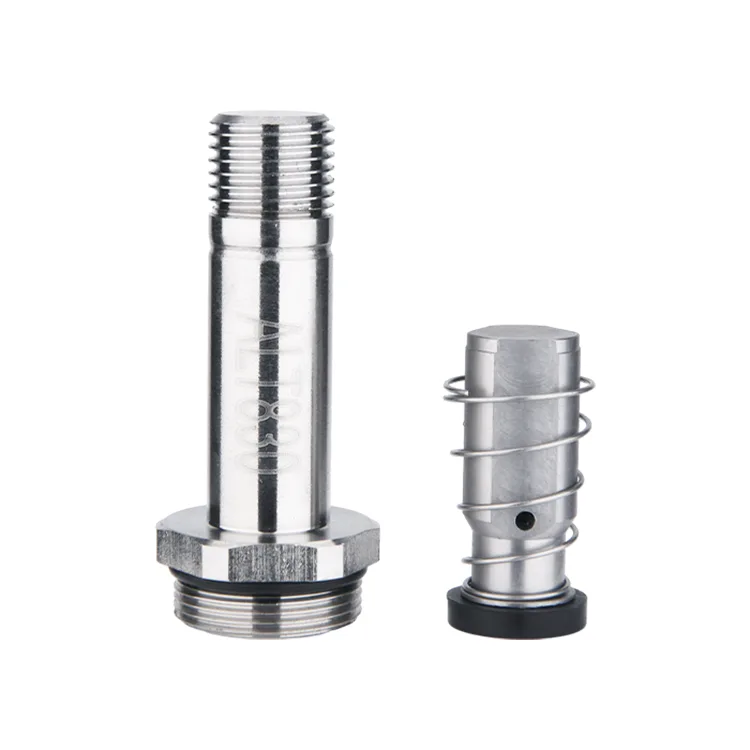
A 2-way normally closed AC solenoid armature is a mechanical and magnetic assembly installed inside an alternating-current solenoid valve. Its primary function is to control the opening and closing of a fluid passage according to the electrical state of the solenoid coil.
The term "2-way" indicates that the associated valve has two fluid connections: an inlet and an outlet. "Normally closed" describes its default operating condition. When the electrical coil is not energized, the valve remains closed, preventing fluid from passing through the flow path.
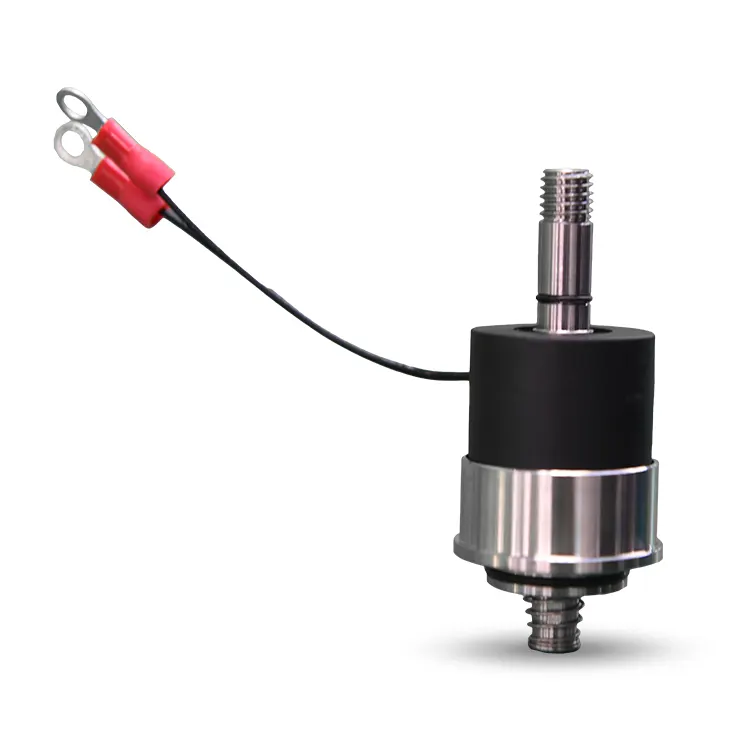
When AC voltage is applied, the electromagnetic field generated by the coil attracts the movable plunger. This movement overcomes the return spring force and lifts the sealing element away from the valve seat. Fluid can then flow through the valve.
When electrical power is removed, the magnetic attraction disappears, allowing the spring to push the plunger back into its closed position.
This operating configuration is particularly valuable in equipment that requires automatic shutoff when power is interrupted. It also provides a straightforward control mechanism for systems that need reliable on-off fluid regulation.
Unlike a complete solenoid valve, the armature assembly is an internal functional component. Its dimensional accuracy, magnetic characteristics, sealing compatibility, and mechanical reliability directly influence the overall performance of the finished valve.
The operating principle of a normally closed AC solenoid armature combines electromagnetic attraction with mechanical spring return. The process involves three basic operating stages.
When the AC power supply is disconnected, the solenoid coil does not generate an active electromagnetic field. The stainless steel spring maintains downward pressure on the plunger, keeping the sealing pad against the valve seat.
This prevents fluid from passing through the valve. The closed condition provides automatic shutoff without requiring continuous electrical power.
When the coil receives its specified AC voltage, an alternating magnetic field is generated. The magnetic circuit attracts the movable plunger, causing it to move upward against the spring force.
The sealing pad separates from the valve seat, opening the fluid passage. A properly designed magnetic core and armature structure help achieve consistent movement and appropriate electromagnetic response.
After the power supply is interrupted, electromagnetic attraction decreases and the spring restores the plunger to its original position. The sealing pad contacts the valve seat again, stopping fluid flow.
For AC applications, a shading ring can be incorporated into the magnetic structure to reduce vibration and operating noise caused by alternating magnetic flux. This helps support smoother armature movement.
Operating sequence:
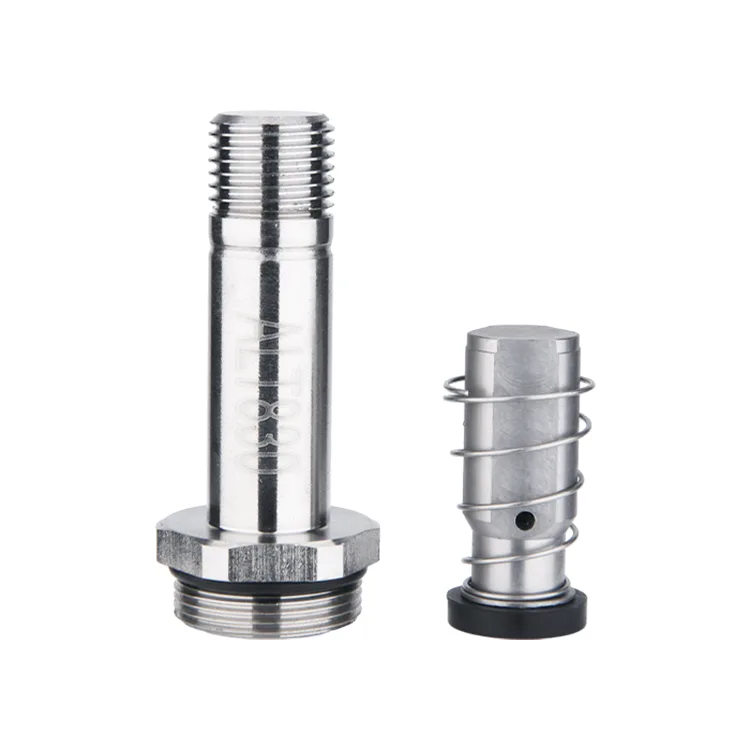
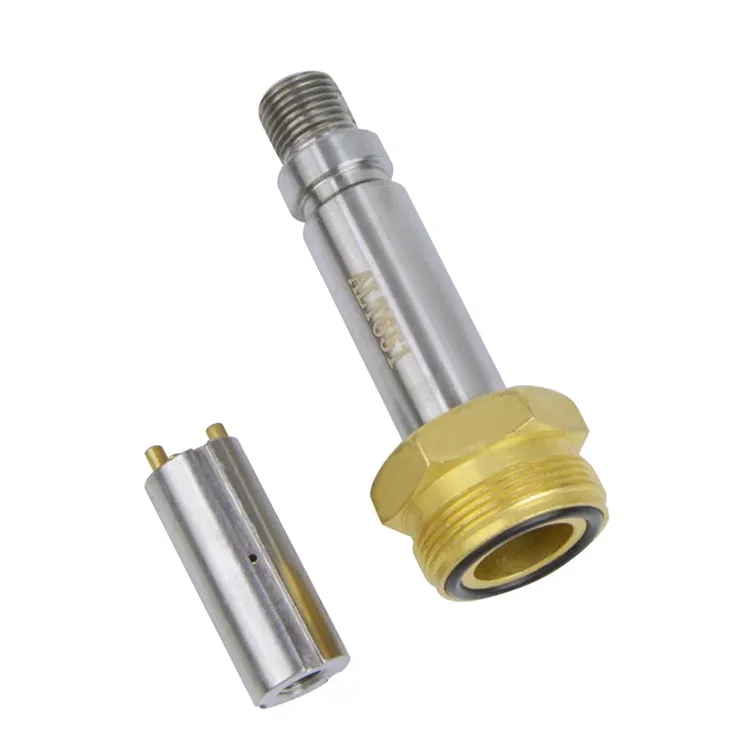
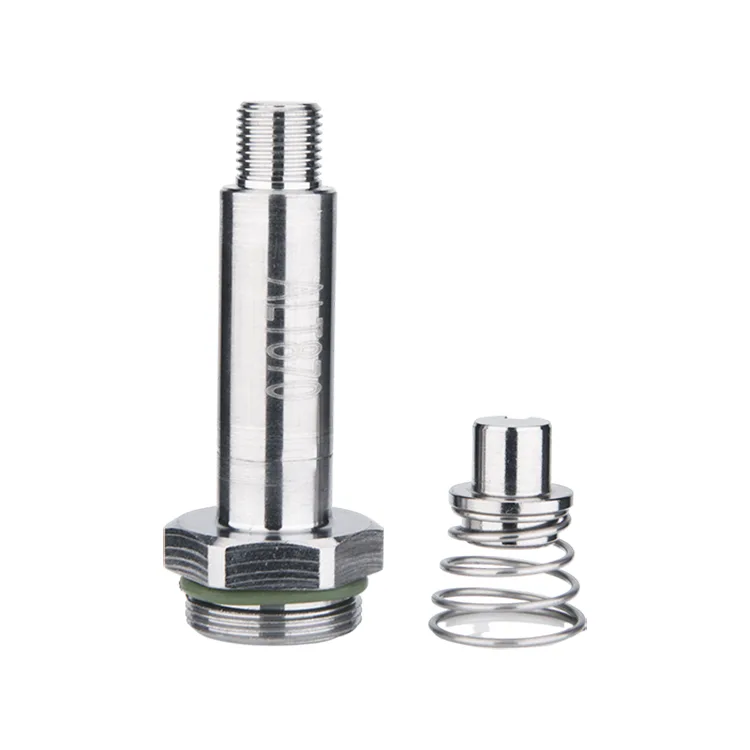
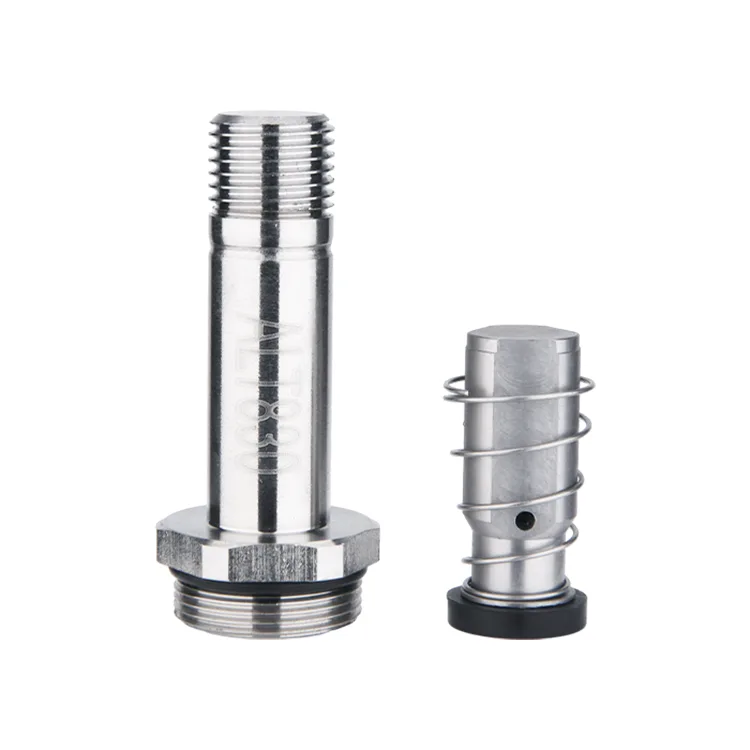
A reliable 2-Way Normally Closed AC Solenoid Armature consists of several coordinated components. Each part performs a specific mechanical, magnetic, or sealing function.
The plunger is the movable magnetic component responsible for transmitting electromagnetic force into mechanical movement. Its material, surface finish, diameter, and dimensional accuracy affect movement stability and magnetic performance.
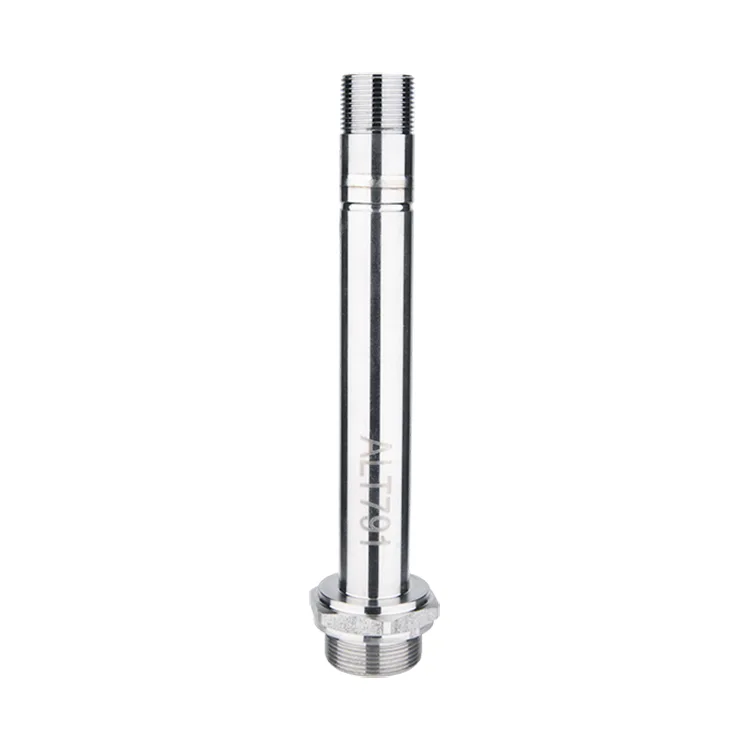
The armature tube guides the plunger during operation and provides structural support for the assembly. Stainless steel and brass are common material options, depending on design requirements, corrosion considerations, and manufacturing processes.
The spring provides the mechanical force needed to restore the normally closed position. Its stiffness, preload, dimensions, and fatigue resistance must be matched to the magnetic force and required stroke.
The seal pad creates the contact interface that prevents fluid leakage when the valve is closed. Common sealing materials include NBR, EPDM, FKM, and PTFE. Selection depends on fluid compatibility, temperature, pressure, and operating conditions.
The shading ring is an important design feature in many AC solenoid structures. Commonly made from copper or other suitable conductive materials, it helps reduce magnetic vibration and noise by creating a phase-shifted magnetic effect.
When these components are correctly designed and assembled, they work together to deliver consistent actuation and dependable flow control.
Technical specifications determine whether an armature can operate correctly within a particular solenoid valve. Since different equipment designs require different mechanical dimensions and electrical characteristics, customized specifications are often necessary.
| Parameter | Specification / Available Options |
|---|---|
| Armature Type | 2-Way Normally Closed AC |
| Basic Structure | Plunger + Tube + Spring + Seal Pad |
| Power Supply | AC |
| Rated Voltage | 24V / 110V / 220V AC or Customized |
| Operating Frequency | 50Hz / 60Hz |
| Plunger Diameter | Customized |
| Tube Outer Diameter | Customized |
| Tube Length | Customized |
| Stroke Length | Customized |
| Spring Material | Stainless Steel |
| Seal Materials | NBR / EPDM / FKM / PTFE |
| Surface Treatment | Nickel Plating / PTFE Coating / White Zinc Plating |
| Shading Ring | Copper / Customized |
Anlite offers different armature configurations to accommodate various solenoid valve structures. The following models illustrate the available dimensional and material differences.
| Model | Tube OD | Tube Length | Connection | Seal Pad | Material |
|---|---|---|---|---|---|
| ALT010 | 14.5 mm | 38 mm | M20x1 | 7.5 mm | Stainless Steel + NBR |
| ALT466-8 | 9 mm | 29.6 mm | M12x0.5 | 4.1 mm | H62 Copper + NBR |
| ALT830 | 13 mm | 53.1 mm | M20x1 | 14.7 mm | Stainless Steel + NBR |
| ALT908 | 15 mm | 51.8 mm | M30x1 | 3.3 mm | Stainless Steel |
Important: These dimensions represent specific product models rather than universal specifications. Buyers should confirm the latest engineering drawings and compatibility requirements before ordering.
A well-engineered AC solenoid armature provides several practical advantages for industrial fluid-control equipment.
The normally closed configuration provides a straightforward fail-closed operating arrangement. When electrical power is interrupted, the spring returns the plunger to the closed position. This is particularly useful in applications where unintended fluid flow must be minimized during power loss.
Appropriate magnetic materials with low residual magnetism help the plunger move consistently between operating positions. This supports dependable actuation and reduces the risk of unwanted magnetic sticking.
An appropriately designed shading ring helps reduce magnetic vibration associated with AC excitation. This can improve operating smoothness and reduce electromagnetic noise.
Multiple sealing materials make it possible to adapt the armature assembly to different fluids and temperature conditions. Selecting the correct seal material is essential for maintaining sealing performance over repeated operating cycles.
Industrial equipment manufacturers often require non-standard armature dimensions. Customized tube lengths, connection threads, plunger diameters, stroke lengths, and spring forces allow the component to match specific valve structures.
The 2-Way Normally Closed AC Solenoid Armature is suitable for a wide range of industrial and commercial fluid-control applications. Its automatic shutoff characteristics make it particularly useful in systems that require controlled fluid delivery.
Solenoid valves equipped with normally closed armatures can control water supply, dosing operations, and automated fluid distribution. Suitable sealing materials and corrosion-resistant structural components help meet the requirements of different water treatment systems.
Heating, ventilation, and air-conditioning equipment uses solenoid valves to regulate water, refrigerant-related circuits, and other compatible working media. Reliable armature movement supports automated equipment operation.
In pneumatic control systems, solenoid valves regulate compressed air flow. A normally closed arrangement helps prevent unwanted air passage when the control circuit is inactive.
Manufacturing equipment often relies on electromagnetic valves to manage liquid transfer, circulation, and automated process sequences. Armature consistency is important for repeatable operation.
Automated production lines use solenoid valves as part of electrical and mechanical control systems. Properly matched armature assemblies help maintain stable switching behavior across repeated operating cycles.
When choosing an armature for any of these applications, engineers should verify media compatibility, pressure requirements, operating temperature, voltage, and the complete valve configuration.
Choosing an appropriate armature requires more than matching its external dimensions. A technically suitable component must also meet the electromagnetic, mechanical, and environmental requirements of the complete valve.
Providing a technical drawing, an existing sample, or detailed application requirements to the manufacturer can significantly reduce compatibility risks during product development.
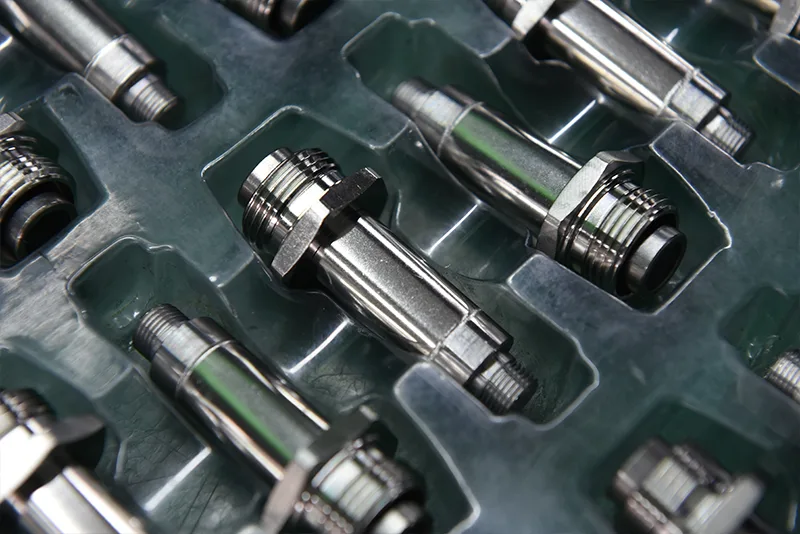
Manufacturing precision has a direct impact on the performance and service life of a 2-Way Normally Closed AC Solenoid Armature. Dimensional deviations, machining burrs, contamination, or inconsistent spring characteristics can affect plunger movement and sealing reliability.
Anlite follows a controlled manufacturing workflow covering material preparation, precision machining, assembly, and finished-product inspection.
| Inspection Stage | Inspection Focus | Quality Objective |
|---|---|---|
| Incoming Inspection | Material grade, dimensions, surface condition | Verify raw material suitability |
| First-Piece Inspection | Critical dimensions and drawing compliance | Confirm machining accuracy |
| In-Process Inspection | Dimensional consistency and machining quality | Maintain production stability |
| Final Inspection | Dimensions, burrs, surface finish, assembly | Verify finished-product requirements |
| Functional Testing | Movement, stroke, spring return, sealing | Check specified operating performance |
For industrial buyers, it is important to evaluate not only the appearance of the finished armature but also the manufacturer's process controls, inspection capability, and ability to maintain consistency across production batches.
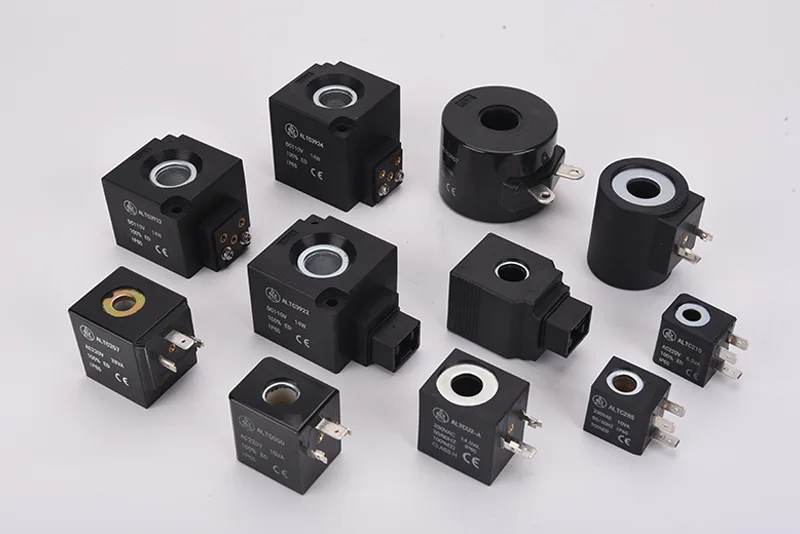
Finding a suitable solenoid armature supplier involves evaluating engineering capabilities, production processes, material availability, and technical communication. Anlite focuses on solenoid armature assemblies, solenoid coils, and complete solenoid valve-related components.
For customers developing new valve products or upgrading existing equipment, Anlite supports customization based on technical drawings, physical samples, and application requirements.
Customization options include:
Anlite uses 1,000 pieces as the standard quotation reference quantity for regular products. Customized development projects can be supported starting from one piece. For smaller orders, additional setup, tooling, or process adjustment costs may apply depending on project requirements.
Anlite reports ISO 9001, IATF 16949, and CE certifications, with quality control covering incoming materials, machining, assembly, functional testing, and final verification.
The company also provides after-sales technical support, troubleshooting, and product issue analysis according to product requirements.
For buyers seeking a customized 2-Way Normally Closed AC Solenoid Armature, working directly with a manufacturer that understands electromagnetic actuation and precision mechanical components can simplify product development and improve component compatibility.
Explore the Anlite 2-Way Normally Closed AC Solenoid Armature product page for further product information. You can also explore its 2-Way Solenoid Armature Assembly and 3-Way Solenoid Armature Assembly product categories.
Its primary function is to control the opening and closing of a two-port solenoid valve. The valve remains closed when the coil is de-energized and opens when AC power generates sufficient electromagnetic force to move the plunger.
A normally closed armature maintains the valve in a closed position when the coil is not energized. A normally open configuration maintains an open flow path without power and uses electromagnetic actuation to change its state. The appropriate option depends on the required control logic and safety conditions.
An AC shading ring helps reduce magnetic vibration caused by the alternating magnetic field. It creates a phase-shifted magnetic effect that helps maintain attraction during the AC cycle, improving movement smoothness and reducing operating noise.
Common options include stainless steel, magnetic stainless steel, and brass for different structural components. Return springs are generally made from stainless steel, while sealing materials may include NBR, EPDM, FKM, and PTFE. The selection depends on magnetic requirements, working fluid, temperature, and operating conditions.
Common voltage options include 24V, 110V, and 220V AC. Other voltage configurations can be discussed according to the customer's solenoid coil and valve design requirements.
Yes. Anlite supports OEM customization based on customer drawings or samples. Customization can cover tube dimensions, plunger diameter, stroke, connection threads, sealing dimensions, spring force, and material selection.
For the representative ALT010, ALT466-8, and ALT830 models, the stated NBR seal temperature range is -30°C to 100°C. Actual suitability should be verified against the working medium, pressure, and application conditions.
Yes. Customized development projects can start from one piece. Regular products use 1,000 pieces as the standard quotation reference quantity. Small-batch orders may involve additional setup, tooling, or process adjustment costs.
Buyers should provide the valve drawing or an existing sample, together with electrical specifications, working medium, operating temperature, pressure requirements, and required sealing performance. These details help the manufacturer evaluate dimensional and functional compatibility.
Important checks include raw material verification, dimensional inspection, machining quality, assembly consistency, plunger movement, spring return force, and sealing performance. Buyers should also confirm whether the supplier can provide inspection records and functional test information according to project requirements.
A well-designed 2-Way Normally Closed AC Solenoid Armature is essential for achieving reliable electromagnetic actuation and automatic fluid shutoff. Its performance depends on the interaction of magnetic materials, plunger geometry, return spring characteristics, sealing components, and AC magnetic circuit design.
For industrial equipment manufacturers, selecting the right armature requires careful consideration of operating voltage, frequency, dimensions, working media, temperature, and mechanical requirements. Equally important is choosing a manufacturer capable of delivering precise machining, controlled assembly, and consistent quality inspection.
Anlite provides customized solenoid armature solutions for different valve structures and application requirements, helping customers develop components that match their equipment designs. Whether you need a standard configuration or a specially engineered OEM assembly, contact us today with your drawings, samples, or technical specifications. Our team can help evaluate your requirements and provide a suitable 2-Way Normally Closed AC Solenoid Armature solution for your next project.