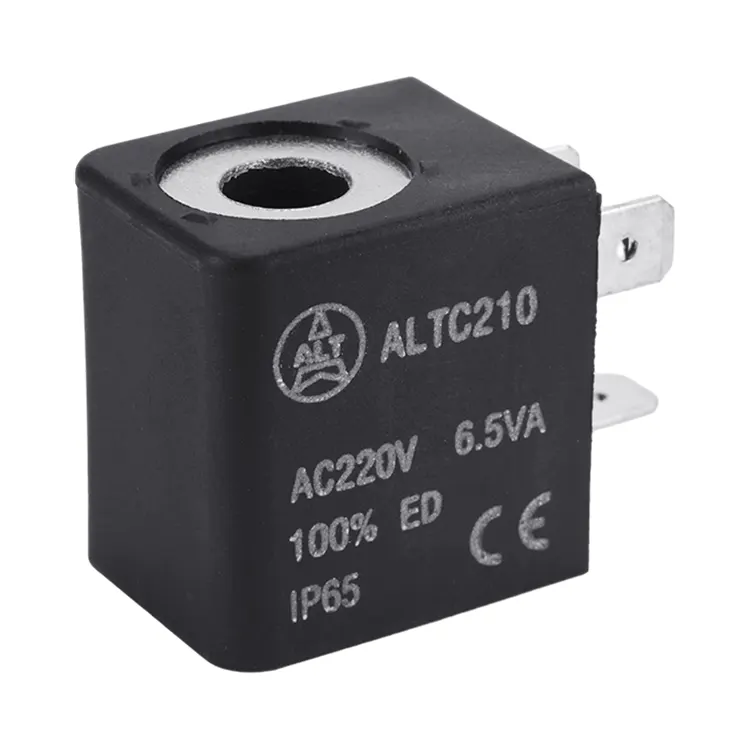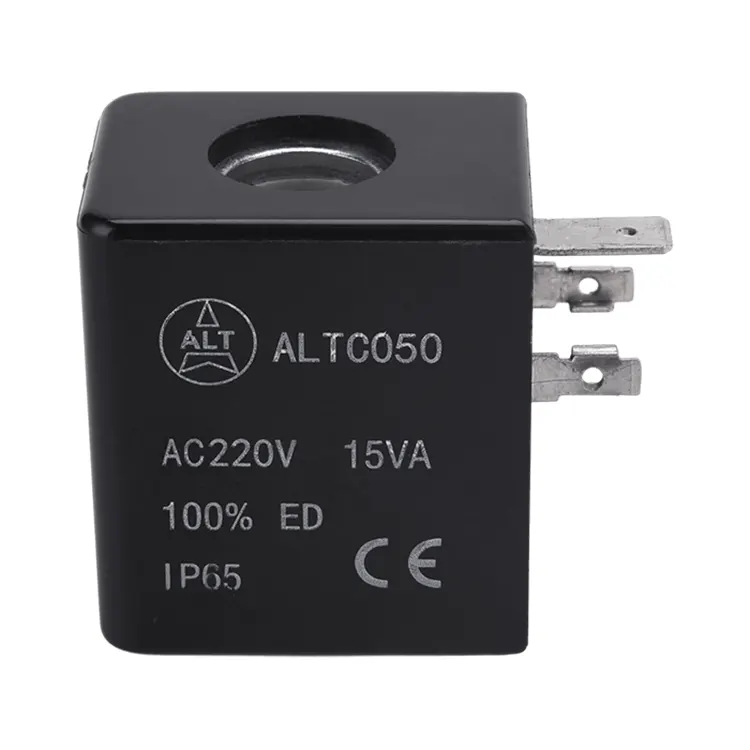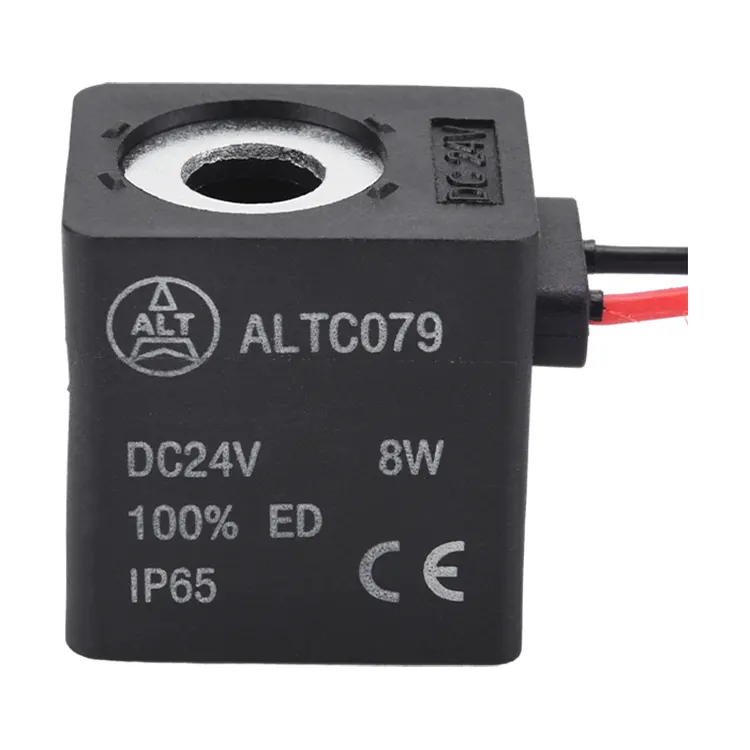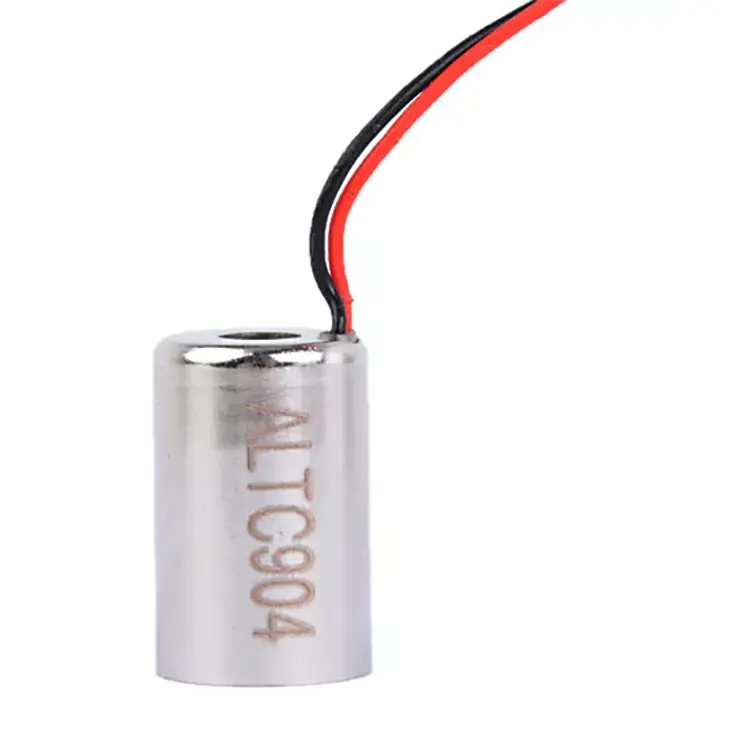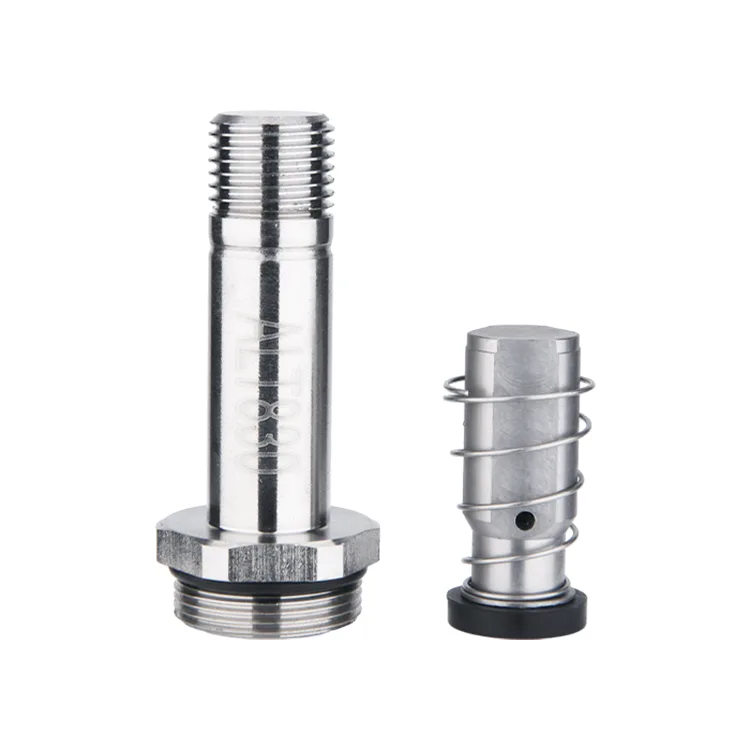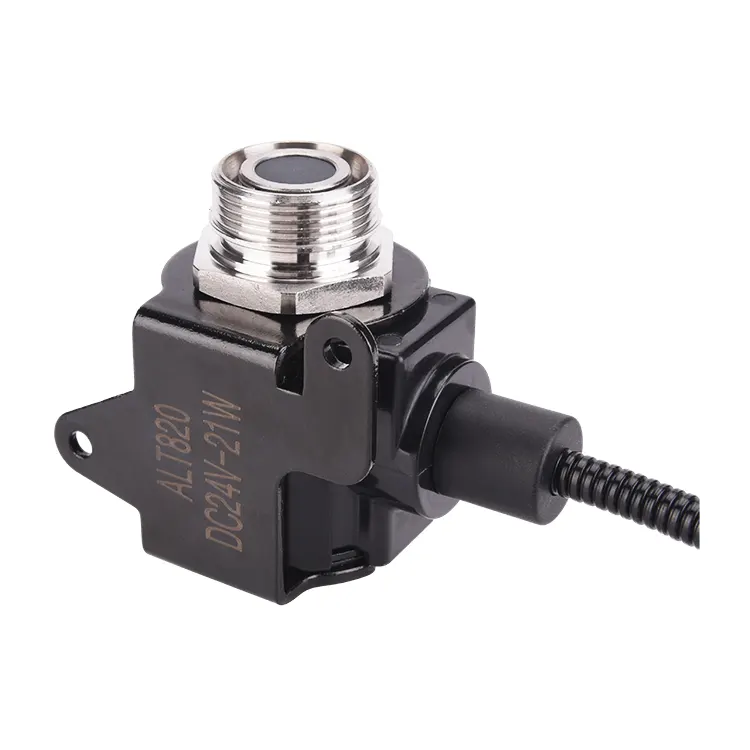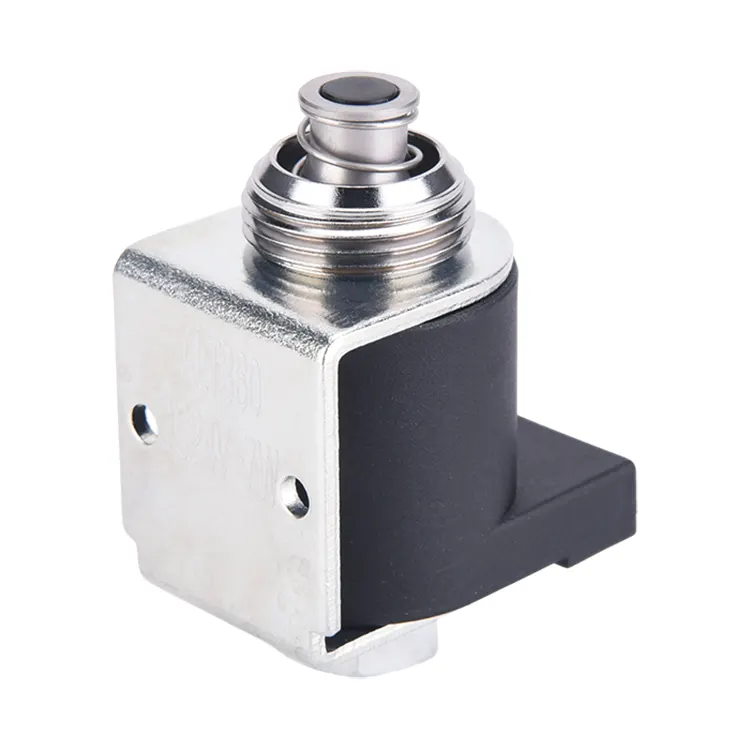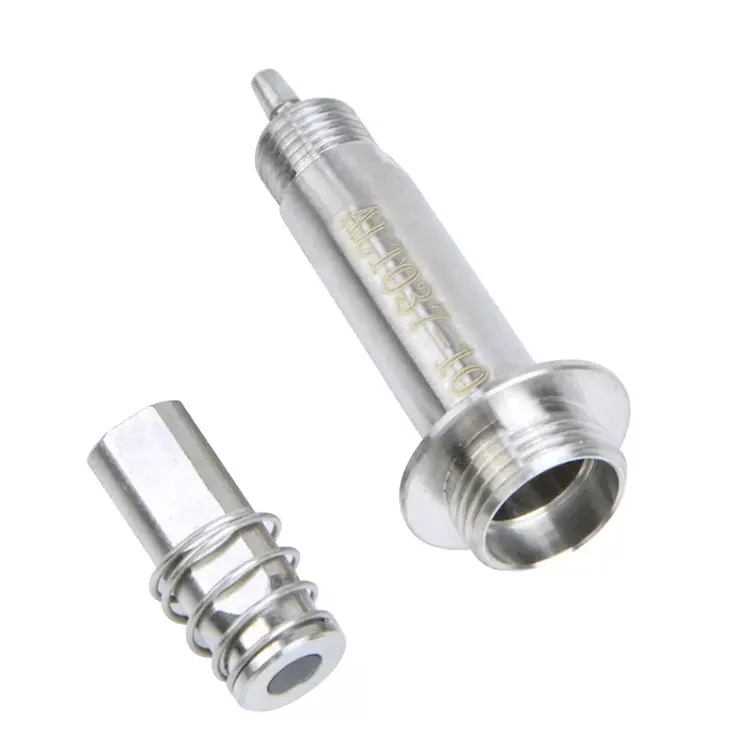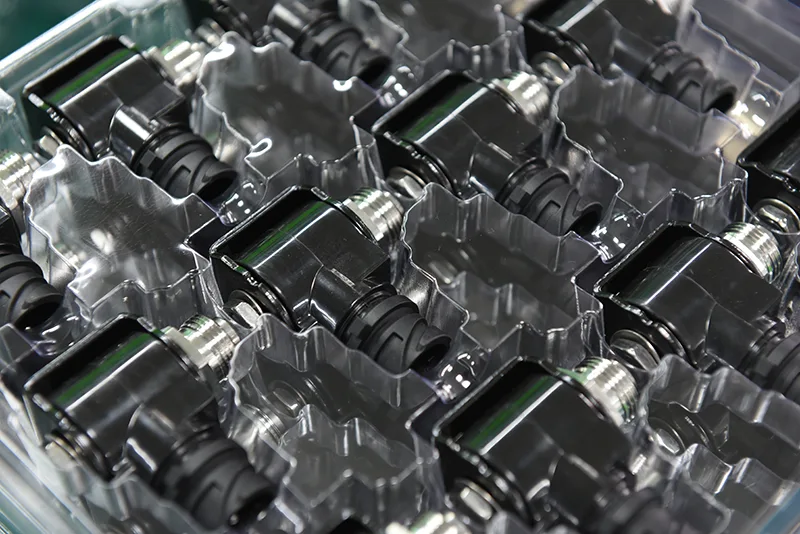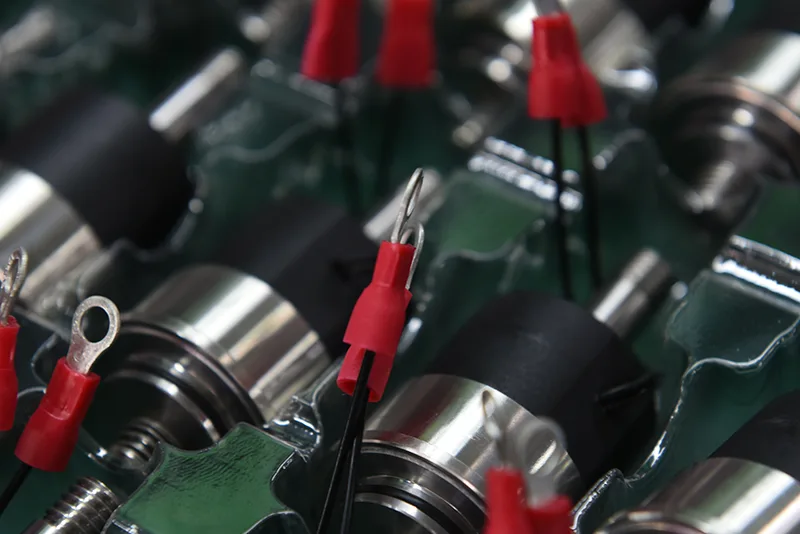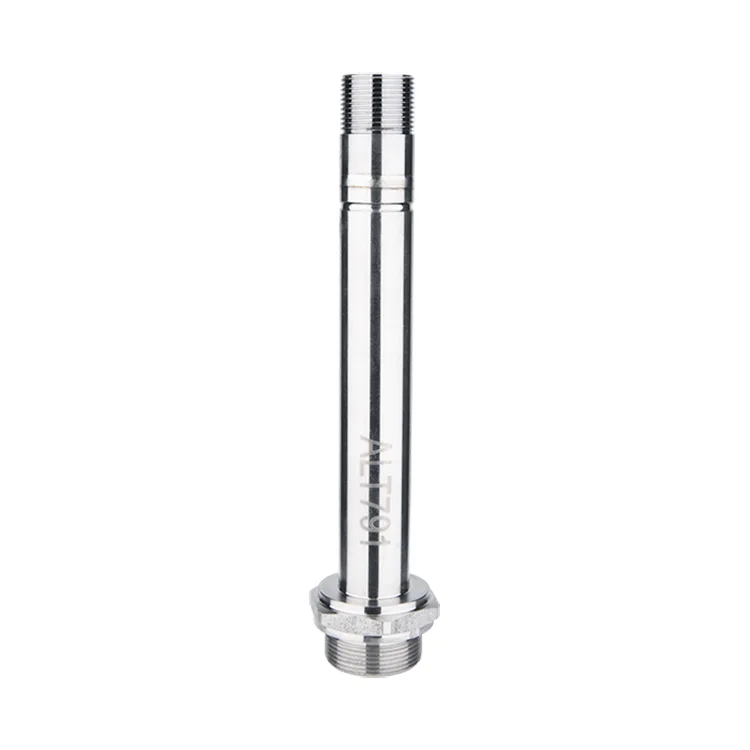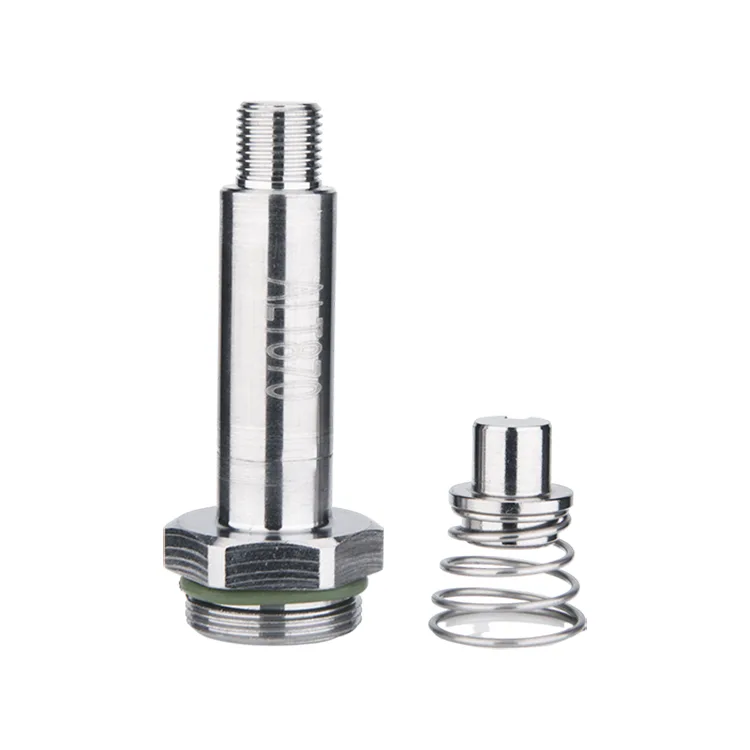
A Bistable Solenoid Coils are designed to switch a compatible mechanism between two stable positions using electrical pulses. Unlike a conventional solenoid coils that typically requires continuous energization to maintain actuation, a bistable design can retain its state without continuous power, depending on the locking or magnetic structure. This makes it suitable for control systems where reducing standby power consumption is important.
Ningbo Anlite Machinery Co., Ltd. develops bistable coils for integration with solenoid armature assemblies and solenoid valve assemblies. The key is to match the coil's pulse characteristics with the magnetic circuit, armature movement and required switching force of the complete mechanism.
A bistable mechanism changes position when it receives a suitable electrical pulse. Once the mechanism reaches its new stable state, continuous coil energization may not be necessary to hold that position. The actual switching method depends on the design, including whether the system uses polarity reversal, permanent magnets or another latching arrangement.
For battery-powered equipment, remote valve control or other low-power applications, the pulse requirements need to be established before the coil is selected. A pulse that is too short or does not provide sufficient actuation force may fail to complete the switching movement.
These requirements should be reviewed together. Selecting a coil by voltage alone does not establish whether it will switch the intended mechanism correctly.
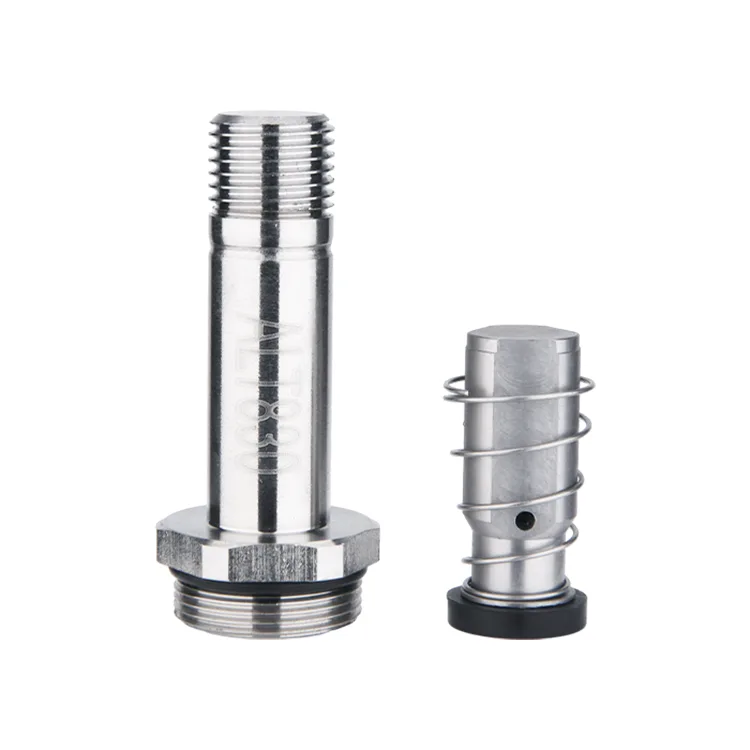
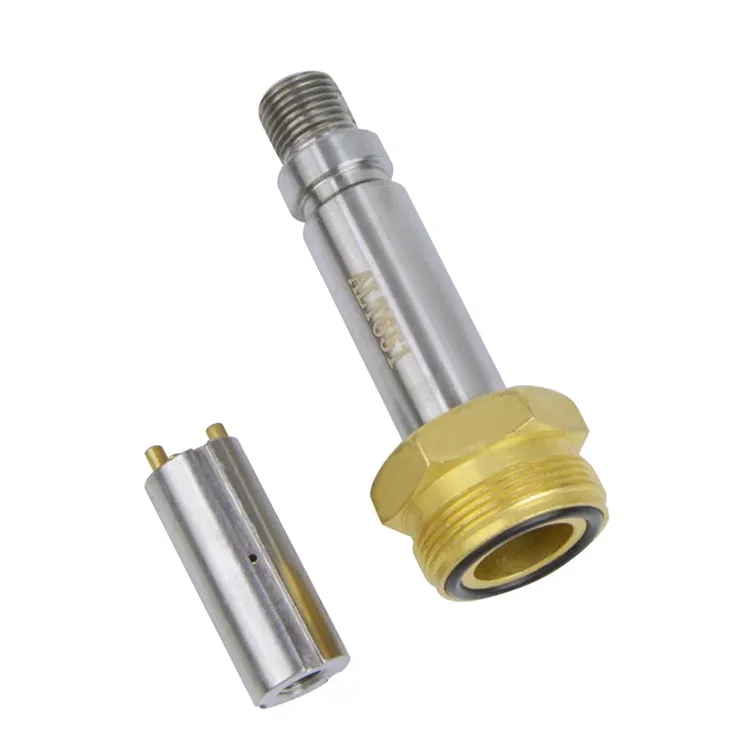
The coil generates the magnetic field, while the armature and magnetic circuit determine how that force is converted into movement. The available stroke, mechanical resistance, magnetic arrangement and latching structure all affect switching behavior.
Anlite can coordinate a bistable coil with a compatible solenoid armature assembly or integrate it into a solenoid valve assembly. For a custom design, the coil should be evaluated against the actual mechanism rather than treated as an interchangeable electrical component.
Before approving a customized design, confirm that the assembly switches correctly at the specified pulse voltage and width, reaches both intended positions and retains its state as required. Where cycle endurance is important, define the target cycle count and acceptance criteria before testing.
The supplied product information identifies impulse-response, holding-force and insulation tests. Test conditions, measured results and acceptance limits should be confirmed for the specific model. If the application requires a defined switching-cycle life, request the relevant test scope and supporting records rather than relying on an unspecified cycle-life claim.
Bistable coil designs may be used in smart water meters, portable medical devices and remote irrigation systems where a mechanism changes state intermittently and continuous energization is undesirable. Suitability depends on the required switching force, control circuit, operating environment and mechanical design.
In a properly designed bistable mechanism, continuous coil power is generally not required to retain either stable state. The actual holding method depends on the magnetic or mechanical latching structure used in the assembly.
That depends on the design. Some bistable systems use pulses with opposite polarities to switch between positions, while others use a different drive arrangement. Confirm the required pulse sequence with the coil and control-system specifications.
The armature may not complete its movement, leaving the mechanism in the previous position or an unintended state. Pulse width should be evaluated alongside voltage, switching force and the mechanical load of the assembly.
Start with the available drive circuit, required switching force and armature or valve design. The target pulse conditions should then be confirmed through technical evaluation and, where appropriate, sample testing.
Potentially, provided the valve mechanism is compatible with bistable operation. The mounting dimensions, armature travel, magnetic arrangement, switching sequence and required force need to be reviewed before confirming suitability.
Provide the target pulse voltage and width, required switching force, polarity or drive sequence, available installation dimensions and details of the matching armature or valve. Drawings, reference samples and cycle-life requirements can also help define the evaluation criteria.
Share your pulse voltage, control sequence, force requirements and available drawings with Anlite. These details provide a starting point for reviewing coil and armature compatibility and clarifying the specifications needed for sample evaluation.
Send your inquiry to discuss your bistable solenoid coil requirements.