In modern fluid control systems, selecting the right electromagnetic components is essential for achieving operational stability, safety, and efficiency. A 2-Way Normally Open DC Solenoid Armature plays a critical role in controlling fluid flow through precise electromagnetic movement. Anlite, an experienced manufacturer of solenoid armatures and electromagnetic actuator components, provides customized solutions designed for demanding industrial applications. With precision-machined magnetic components, stainless steel construction, and flexible sealing options, these armatures support reliable performance in water treatment, medical equipment, air compressors, and industrial automation systems.
A 2-way normally open DC solenoid armature is an electromagnetic actuator component that controls fluid flow in solenoid valves. Its default position allows fluid to pass when the power is off, while energizing the DC coil generates magnetic force that moves the plunger and closes the valve. This article explores its working principle, structural components, material options, technical specifications, industrial applications, manufacturing process, and essential purchasing considerations. It also explains how customized manufacturing and quality inspection contribute to dependable long-term operation.
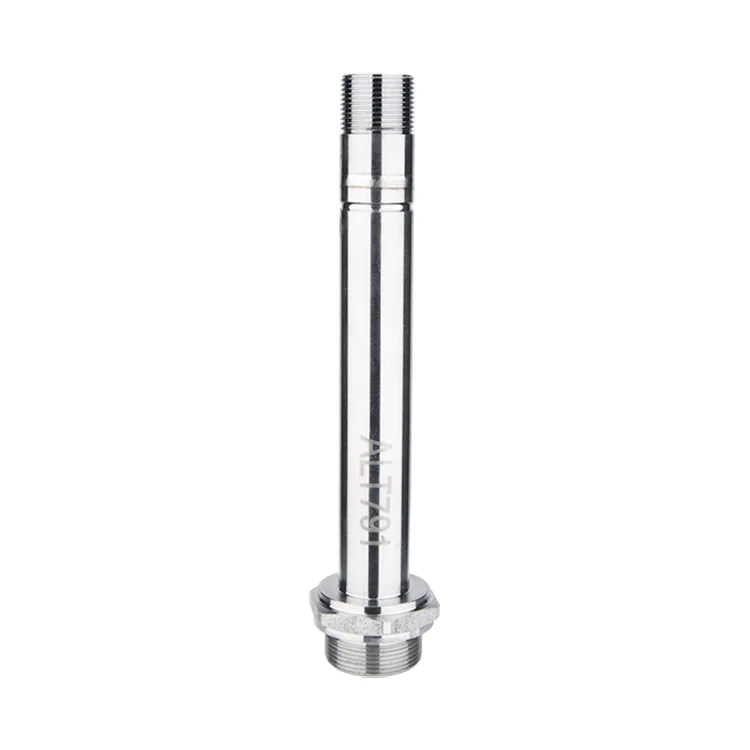
A 2-way normally open DC solenoid armature is a precision electromagnetic actuator component used inside solenoid valves. It controls the movement of an internal plunger to regulate fluid passage between two ports. The term normally open describes its default operating condition: when electrical power is disconnected, the valve remains open and allows the working medium to flow.
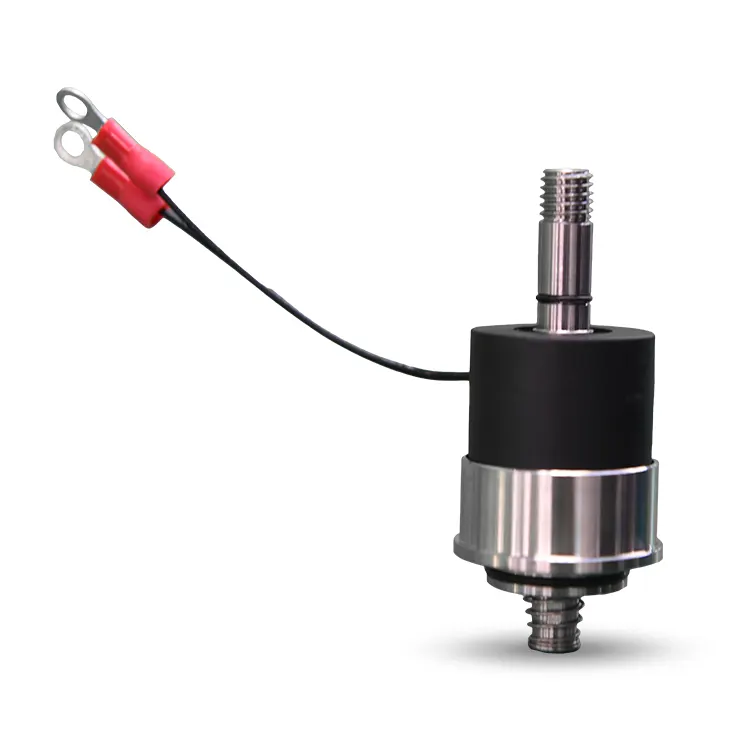
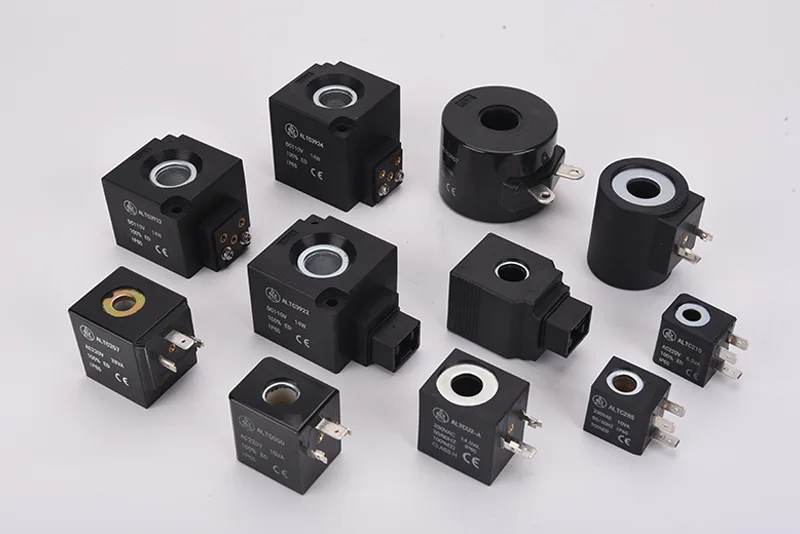
When a DC voltage is applied to the corresponding solenoid coil, an electromagnetic field attracts the movable armature. This movement changes the valve's internal position, compressing the return spring and closing the flow passage.
Unlike normally closed configurations, this design is particularly suitable for systems that require fluid circulation under normal conditions or continued flow when electrical power is unavailable.
Its main characteristics include:
The operating principle of a 2-Way Normally Open DC Solenoid Armature is based on electromagnetic attraction and mechanical spring return. The interaction between the coil, magnetic core, movable plunger, and spring determines the valve's switching behavior.
When the DC power supply is disconnected, the coil produces no electromagnetic force. The return spring keeps the armature in its initial position, allowing the valve to remain open. Fluid can therefore pass through the valve under suitable operating pressure conditions.
When the coil receives its specified DC voltage, current generates a magnetic field. The magnetic force attracts the movable armature toward the static core, shifting the internal valve mechanism. The sealing component then closes the flow passage and stops fluid circulation.
Once the electrical supply is removed, the magnetic force disappears. The spring pushes the movable armature back to its original position, reopening the valve and restoring fluid flow.
This operating sequence provides a straightforward switching mechanism for applications requiring a normally open default state.
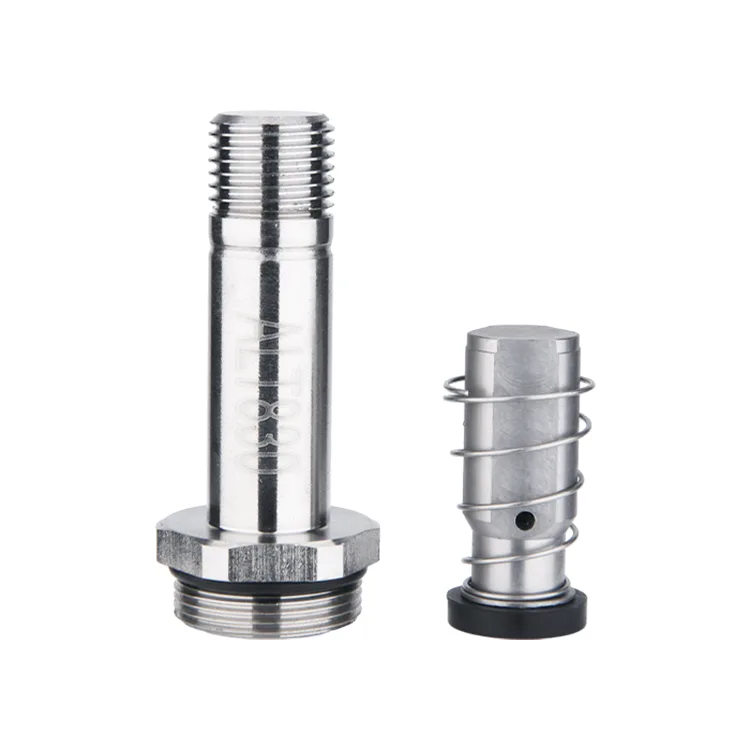
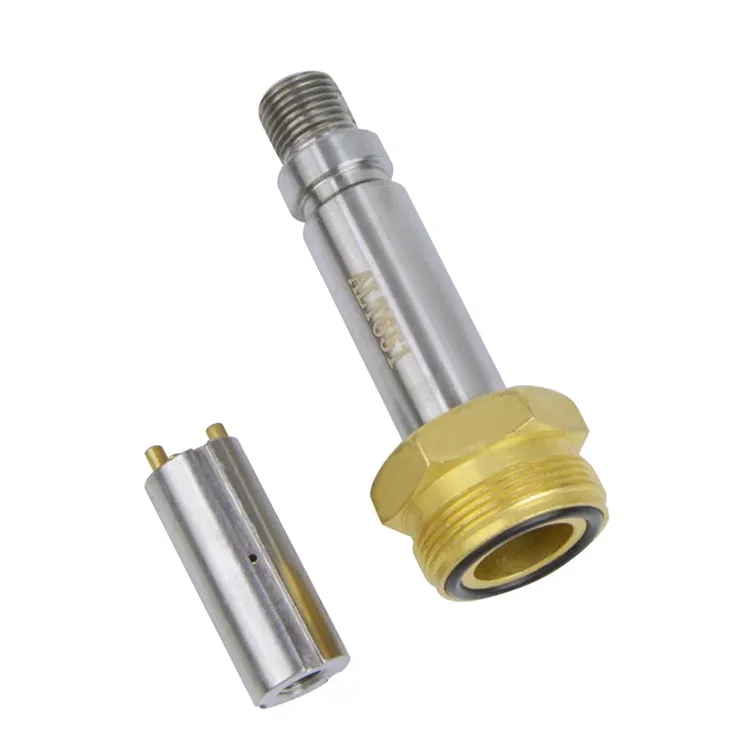
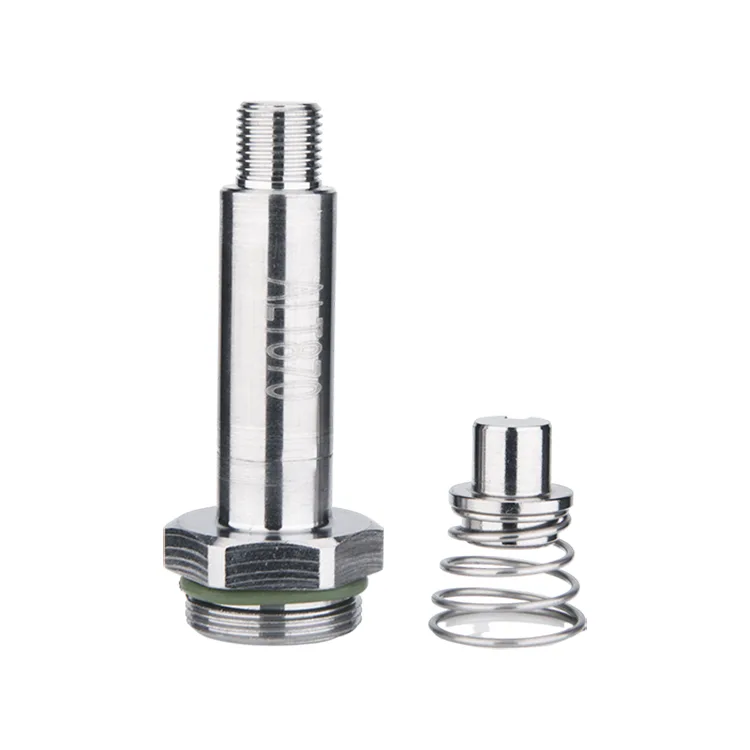
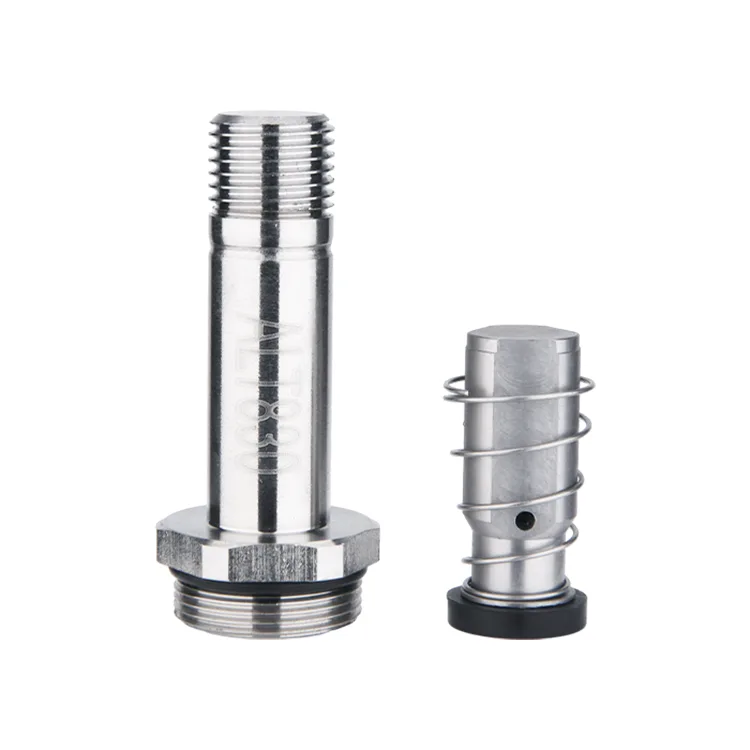
The overall performance of a solenoid armature depends on the coordinated operation of several precision-engineered components. Each part contributes to electromagnetic efficiency, mechanical movement, or fluid sealing.
| Component | Primary Function | Important Considerations |
|---|---|---|
| Static Core | Provides the stationary magnetic attraction point. | Magnetic permeability and dimensional accuracy. |
| Movable Plunger | Transfers electromagnetic force into mechanical movement. | Surface finish, wear resistance, and magnetic properties. |
| Core Tube | Guides and protects the moving armature assembly. | Tube dimensions, wall thickness, and corrosion resistance. |
| Return Spring | Restores the armature after power removal. | Spring force, elasticity, and fatigue resistance. |
| Seal Pad | Controls fluid passage and prevents leakage. | Material compatibility, temperature, and sealing performance. |
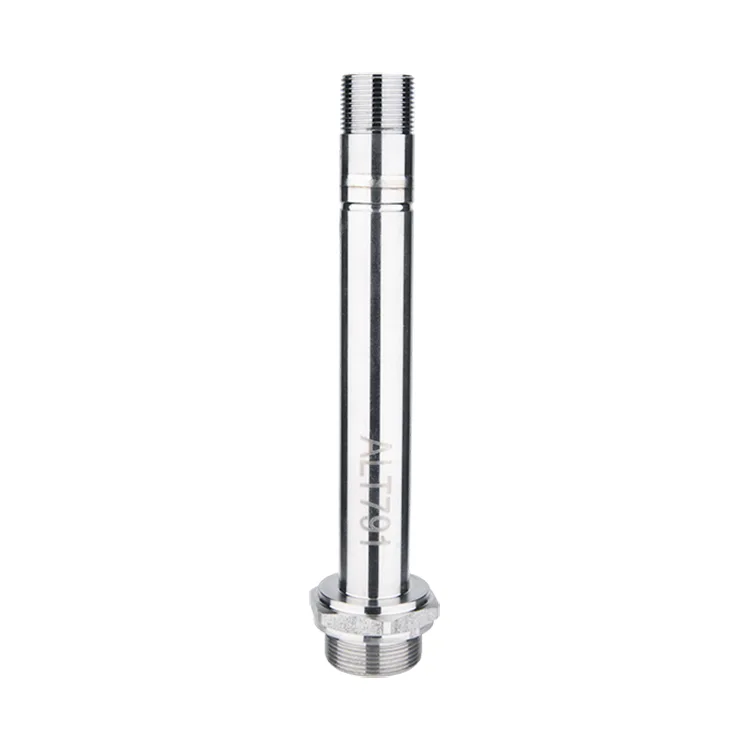
For example, Anlite's representative ALT791 model features a 16 mm tube outer diameter, a 100 mm tube length, an M22×1 connection, and a 5 mm sealing pad. Its construction uses stainless steel and NBR sealing material. Other dimensions and configurations can be developed according to customer drawings and application requirements.
Material selection directly affects magnetic response, mechanical durability, corrosion resistance, and sealing reliability. A suitable material combination should be selected according to the operating medium, pressure, temperature, and electrical requirements.
| Parameter | Specification or Available Options |
|---|---|
| Armature Type | 2-Way Normally Open |
| Power Supply | DC |
| Rated Voltage | 6V / 12V / 24V DC or customized |
| Armature Core | Stainless Steel / Magnetic Stainless Steel |
| Tube Material | Stainless Steel / Brass |
| Spring Material | Stainless Steel |
| Seal Material | NBR / EPDM / FKM / PTFE |
| Stroke Length | Customized according to drawings |
| Response Time | Customized according to requirements |
| Operating Temperature | Application-dependent |
| Surface Treatment | Nickel Plating / PTFE Coating / White Zinc Plating |
For Anlite's representative ALT791 configuration, the NBR sealing component has a stated operating temperature range of -30°C to 100°C. Actual material selection and operating limits should always be verified against the working medium and complete valve assembly requirements.
Because of their normally open operating characteristics and electromagnetic switching mechanism, these armatures are suitable for various fluid control applications.
Water purification equipment requires dependable flow regulation. Normally open armatures can support water circulation under the designated power-off condition, making them useful in selected filtration and water treatment designs.
Medical devices often incorporate compact solenoid valves to control liquids or gases. Consistent armature movement and suitable sealing materials are important for reliable equipment operation.
In pneumatic applications, solenoid armatures help control air passages and switching functions. Proper electromagnetic matching and mechanical durability support repeated operating cycles.
Automated production equipment uses electromagnetic valves to regulate process fluids and other media. Reliable switching behavior helps maintain coordinated system operation.
Fluid dispensing and dosing systems require appropriate flow control and material compatibility. Selecting suitable sealing materials helps address different liquid characteristics and operating environments.
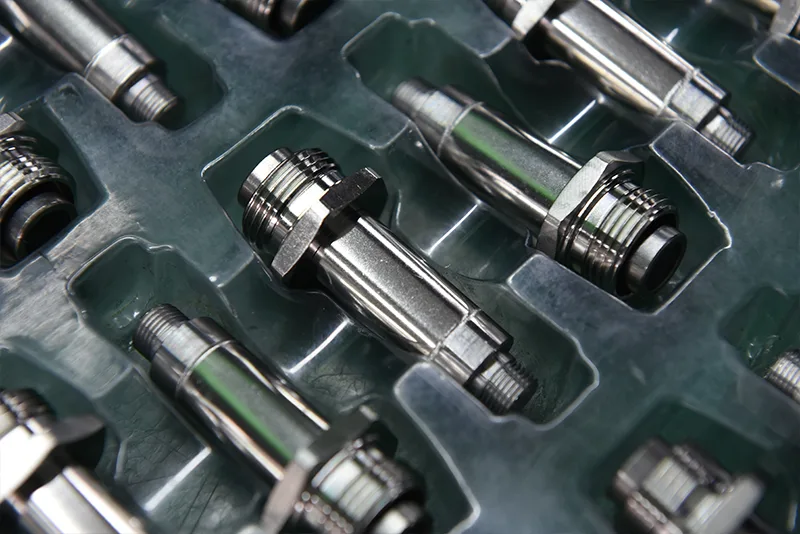
Manufacturing precision has a direct influence on armature movement, assembly consistency, and service life. Anlite applies a controlled manufacturing process to support dimensional accuracy and stable product performance.
This structured workflow helps manufacturers maintain consistent production quality while supporting customized solenoid armature development.
Even small dimensional deviations can affect the movement and sealing behavior of an electromagnetic actuator. A comprehensive quality management process helps identify potential defects before products enter service.
Important inspection procedures include:
Anlite's quality management system is supported by ISO 9001, IATF 16949, CE, and other relevant certifications. Its inspection procedures cover material preparation, machining, assembly, testing, and final product verification.
Choosing an appropriate 2-Way Normally Open DC Solenoid Armature requires more than checking its external dimensions. Buyers should evaluate the complete electrical, mechanical, and operating requirements of their valve system.
Working with an experienced manufacturer can simplify the development process. With more than 20 years of experience in solenoid armature customization, Anlite supports OEM and ODM projects, including prototype development, drawing-based customization, material selection, and production support.
A normally open solenoid armature allows fluid to pass when the power is off and closes the valve when energized. A normally closed design operates in the opposite way: it blocks flow without power and opens when the coil receives electrical current. The correct configuration depends on the system's operational and safety requirements.
Common voltage options include 6V, 12V, and 24V DC. Customized electrical specifications can also be considered according to the matching solenoid coil and the requirements of the complete valve assembly.
Yes. Anlite supports OEM and ODM customization based on customer drawings and application requirements. Customization options include tube diameter, tube length, plunger dimensions, stroke length, spring force, connection structure, and sealing materials such as NBR, EPDM, and FKM.
Common materials include stainless steel 304 and 316, magnetic stainless steel, brass, and specialized soft magnetic alloys. Depending on the application, manufacturers can also select NBR, EPDM, FKM, or PTFE sealing components to achieve suitable mechanical and chemical performance.
Typical applications include water purification systems, medical equipment, air compressors, beverage machines, industrial automation systems, and chemical dosing equipment. The final selection should consider the operating medium, pressure, temperature, and electrical requirements.
Yes. Anlite supports customized production starting from one piece for suitable projects. A standard quotation reference quantity of 1,000 pieces is used for regular products, while smaller customized orders may involve additional setup, tooling, or material preparation costs.
Anlite follows a structured inspection process covering incoming materials, first-piece verification, in-process inspection, final dimensional checks, and functional testing. These procedures help ensure that manufactured components meet approved drawings and specified performance requirements.
A properly designed 2-Way Normally Open DC Solenoid Armature is essential for stable electromagnetic switching and dependable fluid control. From magnetic material selection and precision machining to spring-return performance and sealing compatibility, every design detail contributes to the reliability of the complete solenoid valve assembly.
For equipment manufacturers and industrial buyers, choosing a supplier with engineering experience, flexible customization capabilities, and systematic quality inspection can help reduce development risks and improve production consistency. Anlite provides customized solenoid armatures, solenoid coils, and electromagnetic actuator solutions to meet different industrial requirements. Whether you need a standard configuration or a specially engineered component, contact us today to discuss your technical drawings, application conditions, material preferences, and production requirements. Our team is ready to help you identify a suitable solenoid armature solution for your next project.