Article Summary: This blog explores the compelling reasons behind selecting a 3-Way Normally Open DC Solenoid Armature, detailing its working principles, key advantages, selection criteria, and maintenance essentials. In a landscape where precise fluid control is critical, Anlite’s 3-Way Normally Open DC Solenoid Armature stands out for its reliability and performance in demanding applications such as medical equipment, automation, and fluid handling systems.
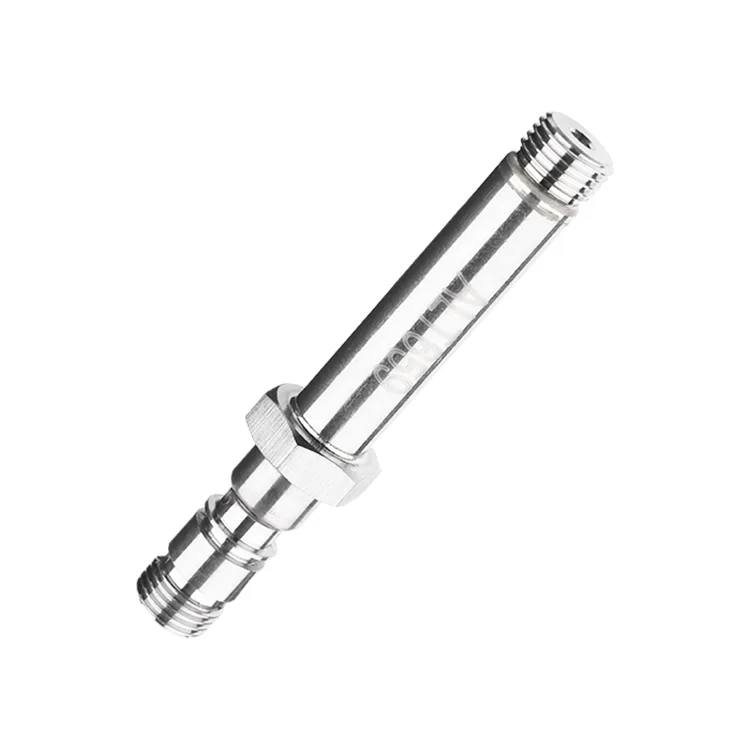
Table of Contents:
In the world of fluid control, the difference between a reliable system and a failure often comes down to the smallest component. The 3-Way Normally Open DC Solenoid Armature is one such critical part. It is the moving core within a solenoid valve, and its design directly influences response time, sealing integrity, and overall lifespan. Anlite has engineered this armature to deliver consistent performance under continuous duty cycles, making it a preferred choice for engineers who cannot afford downtime. Whether you are designing a medical ventilator, an automated irrigation system, or a precision dosing unit, the normally open configuration ensures that the valve remains open when de-energized, providing a fail-safe or continuous flow path. This inherent safety, combined with DC power compatibility, makes it indispensable in battery-powered and low-voltage applications where energy efficiency and predictable magnetic force are paramount.
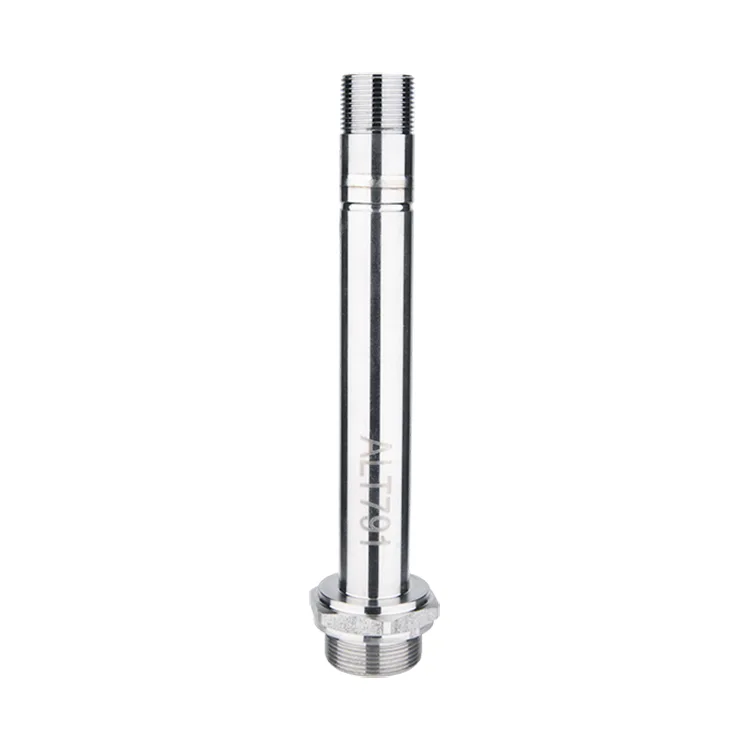
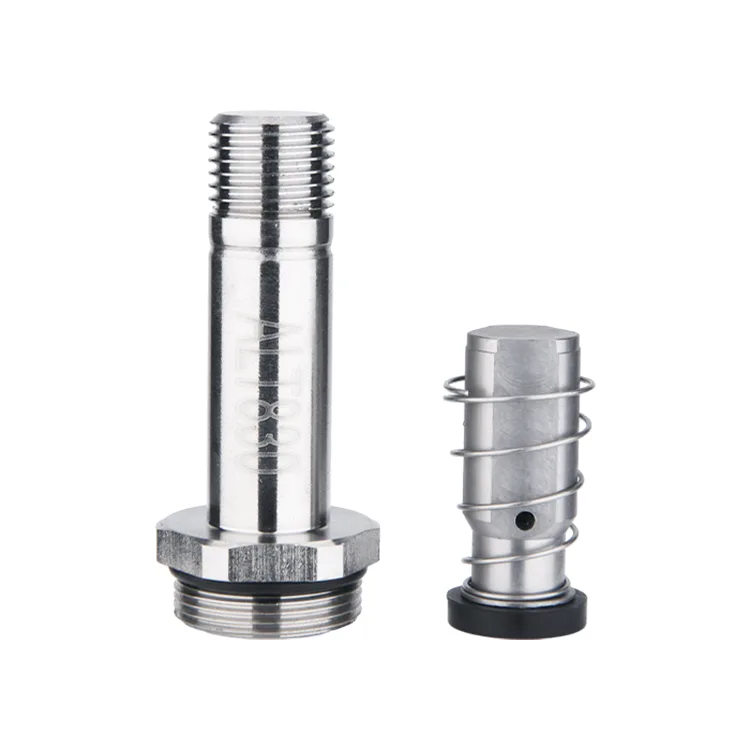
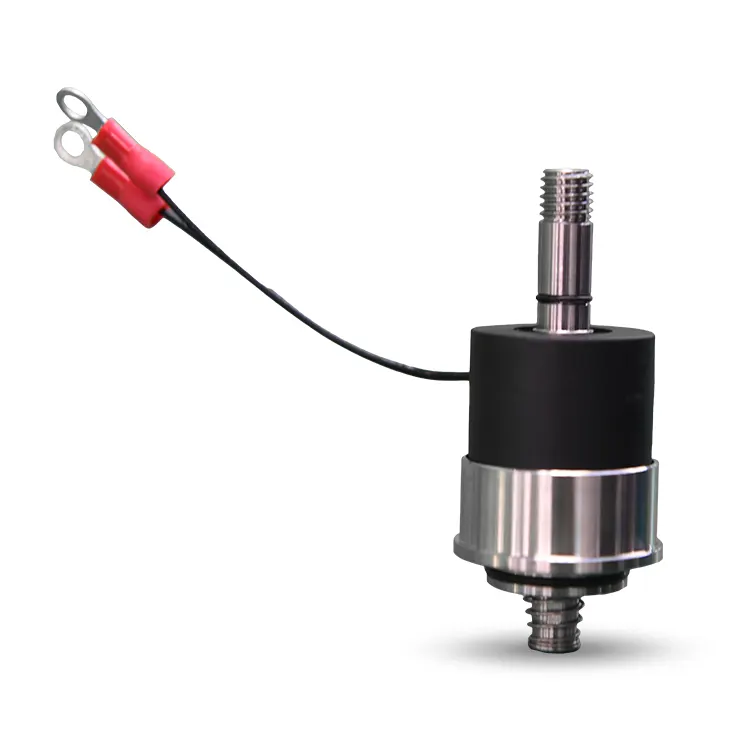
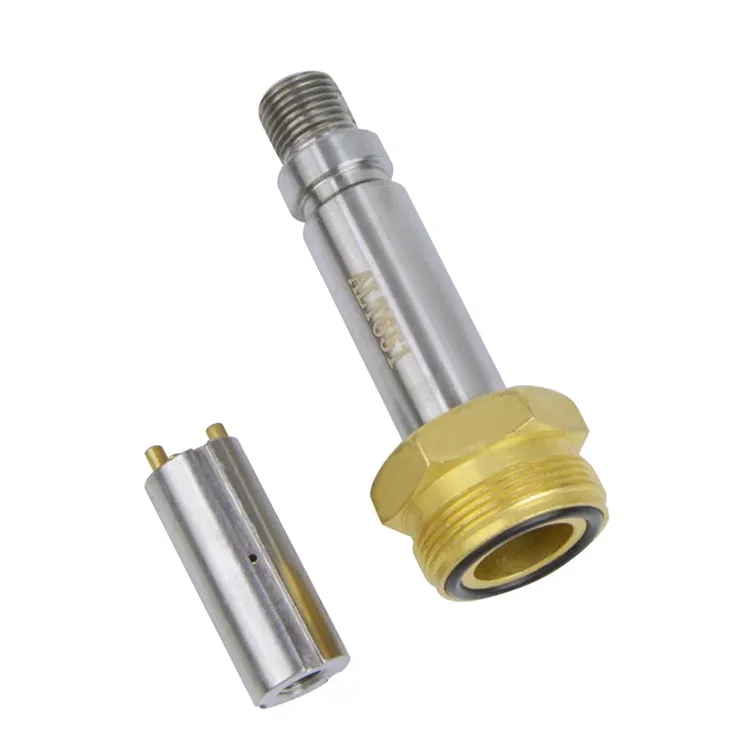
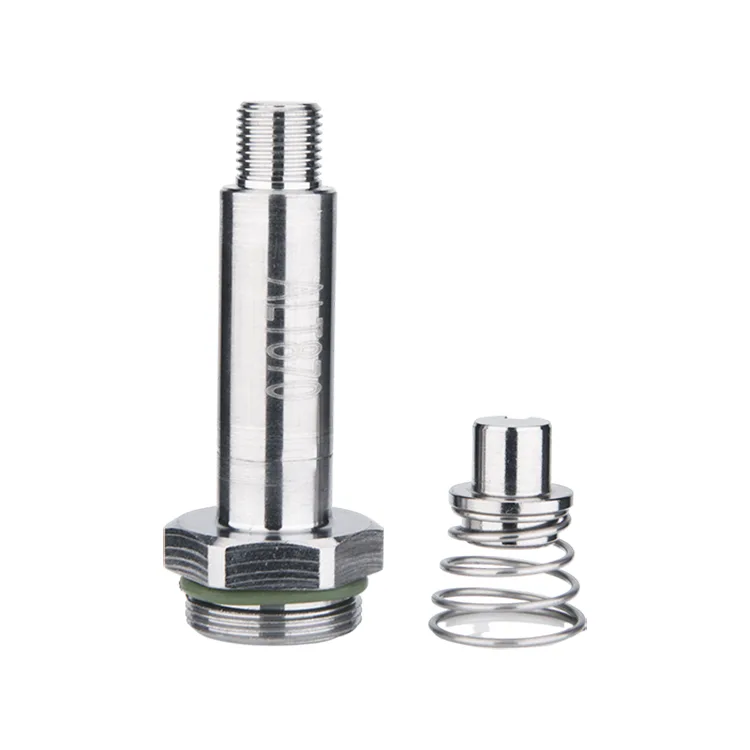
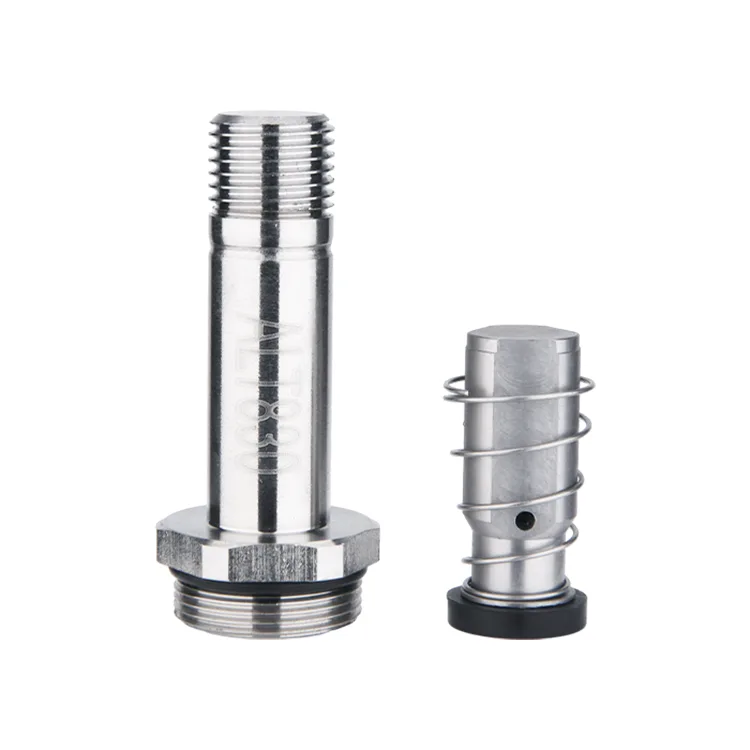
A 3-way normally open DC solenoid armature is the movable magnetic plunger assembly inside a three-way solenoid valve. In its de-energized state, the armature is positioned to allow flow between two of the three ports—typically the inlet and one outlet—while blocking the third. When a DC current is applied to the coil, the magnetic field pulls the armature to shift the flow path, closing the previously open port and opening the other. Anlite manufactures this armature with high-grade stainless steel and precision grinding to minimize friction and hysteresis, ensuring a crisp, repeatable action. Its three-way functionality allows for mixing or diverting flow, which is essential in applications requiring alternate pathways without multiple valves.
Understanding the operation of a 3-way normally open DC solenoid armature helps in appreciating its value. Here is a step-by-step breakdown:
Anlite’s armature design ensures minimal air gap and high magnetic permeability, resulting in fast response times (often under 20 milliseconds) and low power consumption.
To make an informed decision, consider the following comparison table that highlights the benefits of Anlite’s 3-way normally open DC solenoid armature against typical alternatives:
| Feature | Anlite 3-Way Normally Open Armature | Standard Armature (Generic) |
|---|---|---|
| Material | 430F stainless steel, precision machined | Low-carbon steel, often plated |
| Response Time | < 20 ms | 30–50 ms |
| Cycle Life | 10+ million cycles | 2–5 million cycles |
| Leakage | Zero internal leakage due to tight tolerance | Minute leakage possible |
| DC Compatibility | Optimized for 12V/24V DC | Universal but less efficient |
Beyond the table, the armature’s normally open design offers inherent safety: in case of power failure, the valve opens to a predetermined safe state. This is crucial in cooling systems, breathing apparatus, and emergency shut-off circuits.
Choosing the right 3-way normally open DC solenoid armature depends on several factors. Use the following list as a checklist:
Anlite’s technical team can assist in selecting the exact armature model for your unique requirements, ensuring optimal performance and longevity.
Even the most robust armature benefits from proper care. Follow these guidelines to maximize service life:
Anlite’s armatures are designed for minimal maintenance, but in harsh environments, a proactive maintenance schedule will ensure years of trouble-free operation.
Q1: Can a 3-way normally open DC solenoid armature be used with AC power?
No, this armature is specifically designed for DC coils. Using AC power will cause excessive heating and may damage the armature due to eddy currents. Always match the armature to the coil’s rated voltage and current type.
Q2: What is the maximum operating pressure for Anlite’s armature?
Standard models handle up to 10 bar (145 psi), but we offer high-pressure variants for up to 20 bar. Please consult our technical data sheet or contact us for specific pressure requirements.
Q3: How do I know if my valve is normally open or normally closed?
In a normally open valve, fluid flows when the coil is de-energized. If your system requires flow in the event of power loss, you need a normally open configuration. Anlite’s armature is clearly marked and tested for this function.
Q4: What is the typical lead time for orders?
For standard armature models, lead time is 2–3 weeks. Custom configurations may take 4–6 weeks. Please contact our sales team for a precise quote.
Q5: Can I replace the armature in my existing solenoid valve?
Yes, if the valve is designed for a 3-way normally open armature with matching dimensions. Anlite provides dimensional drawings to ensure compatibility. We recommend replacing the entire armature assembly for optimal performance.
The 3-Way Normally Open DC Solenoid Armature is a small but mighty component that ensures safety, efficiency, and reliability in fluid control systems. With Anlite’s precision engineering, you gain a partner dedicated to quality and innovation. Whether you are prototyping a new device or scaling up production, our armatures are ready to meet your demands. Contact us today to discuss your application, request a sample, or receive a personalized quotation. Our team is standing by to help you find the perfect solution for your solenoid valve needs.