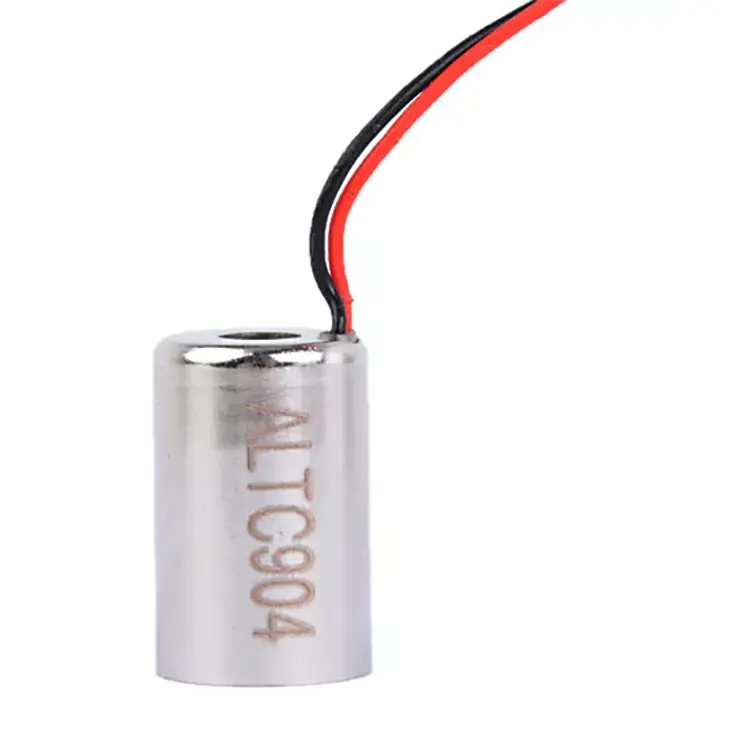
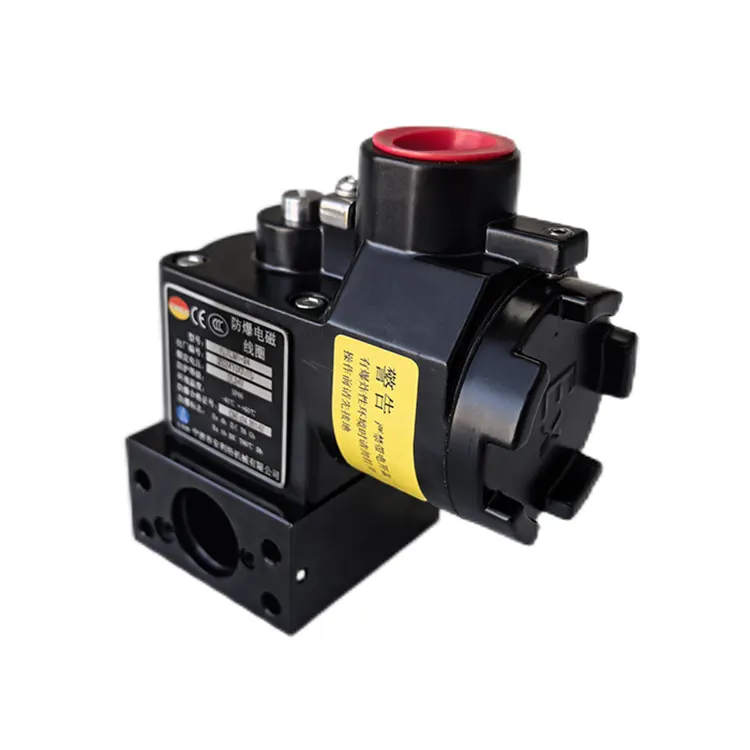
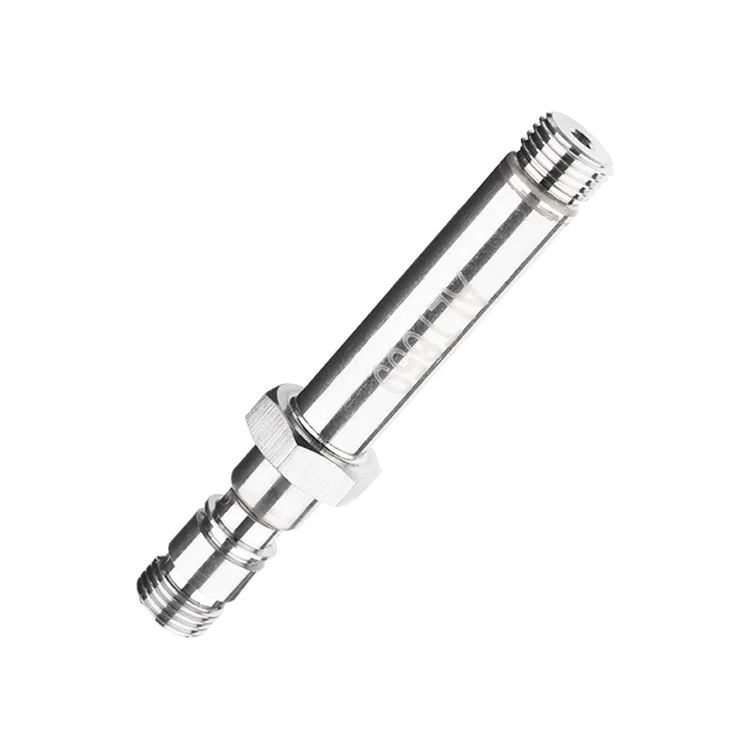
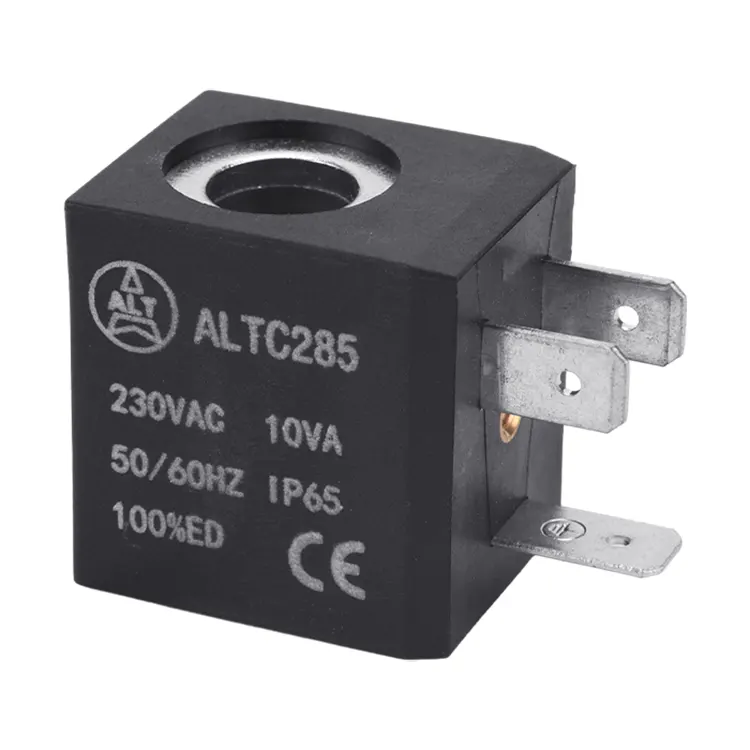
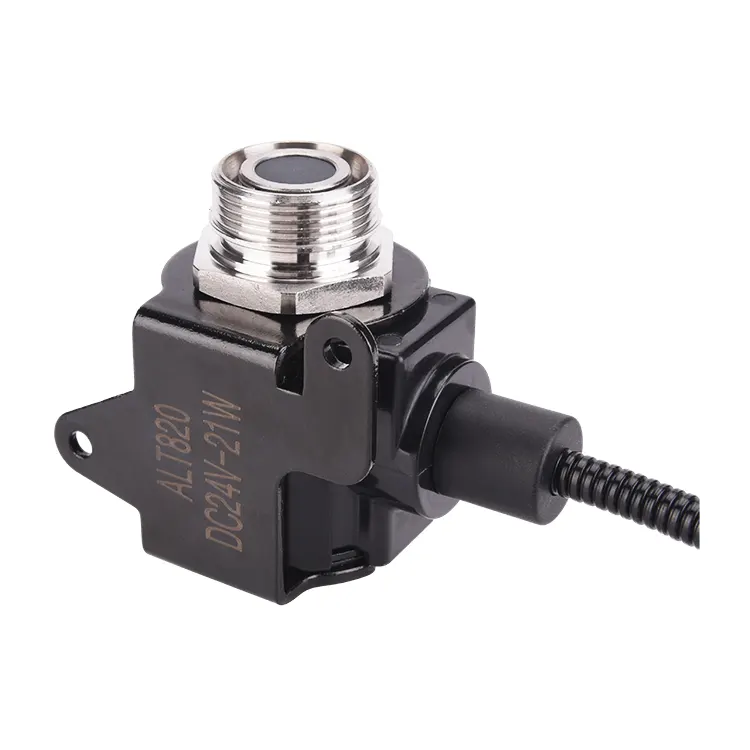
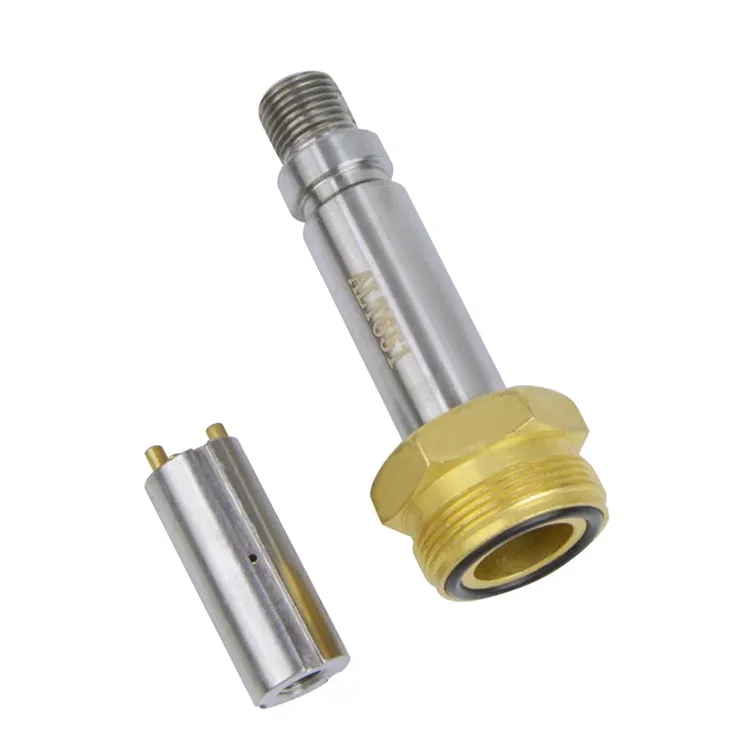
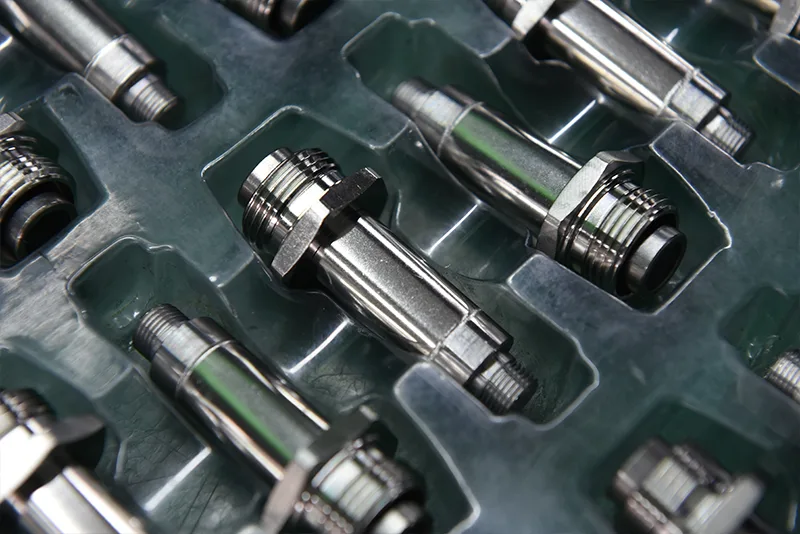
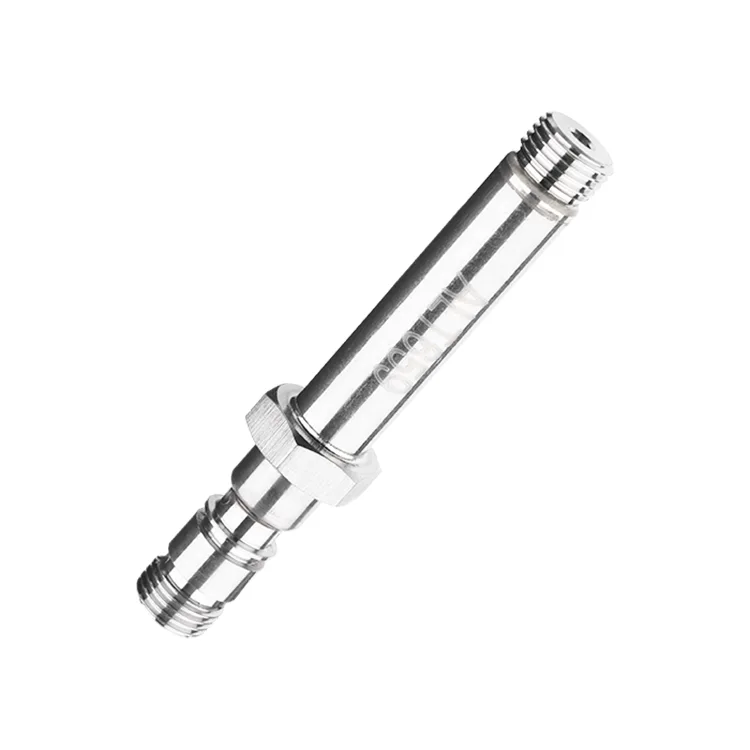
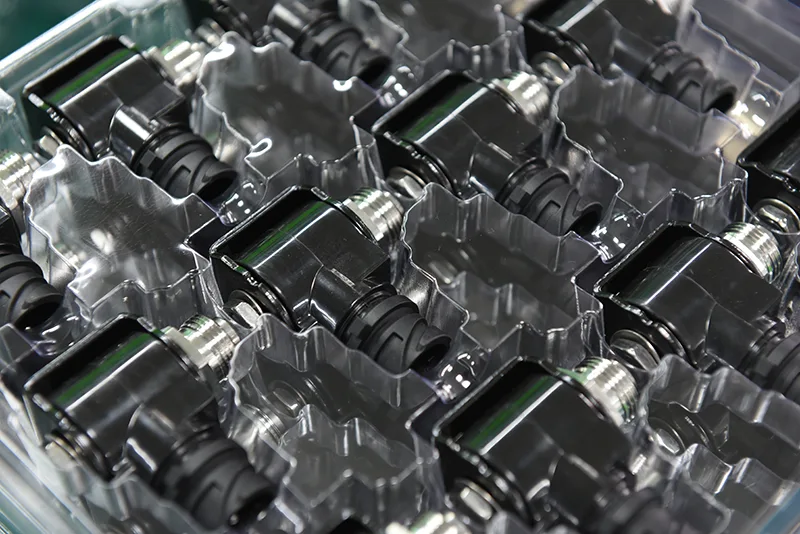
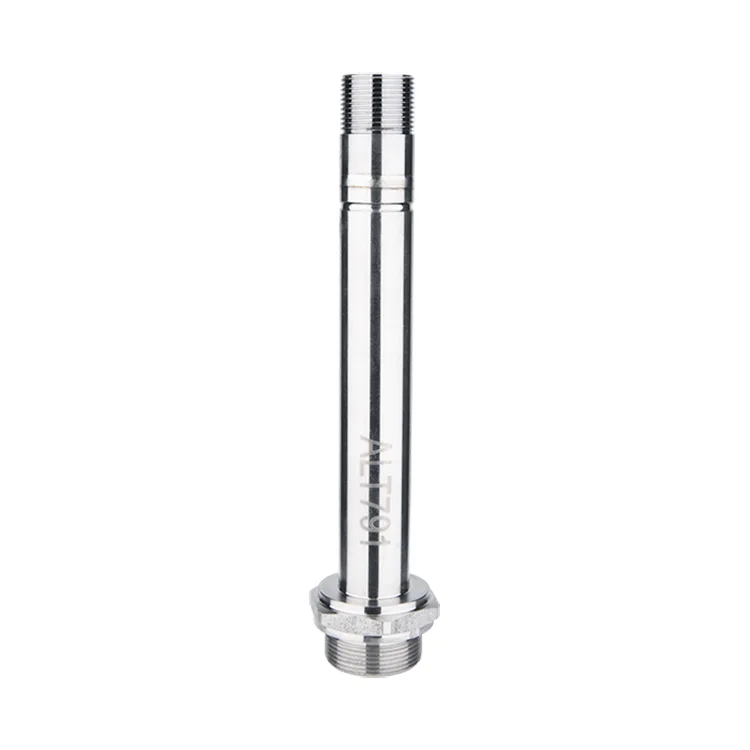
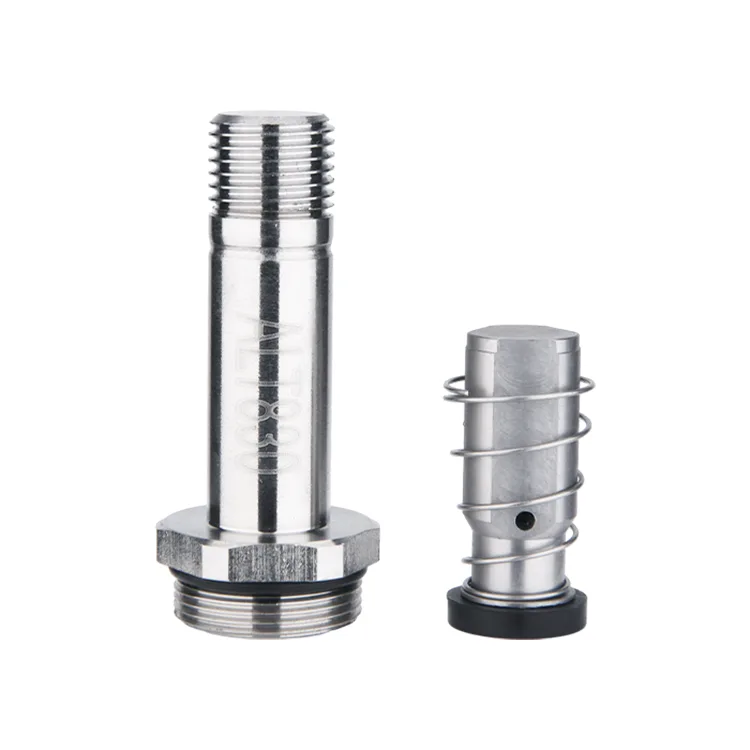
As the core driving component of solenoid valves, the technological development of solenoid coils directly affects the progress of multiple fields such as industrial automation, automotive electronics, and household appliances. With the continuous innovation of technology, solenoid coils are moving towards intelligence, efficiency and miniaturization, demonstrating broad prospects for development.
1.Intelligence: Integrated sensing and communication functions
The solenoid coil of the future will not only be energy conversion components, but also integrate sensors for temperature, pressure, vibration, etc., to monitor the working status in real time. Through the Internet of Things (IoT) technology, coil can be seamlessly connected to the control system to achieve remote monitoring, fault diagnosis and predictive maintenance. For instance, in the context of Industry 4.0, intelligent coils can automatically adjust working parameters, optimize energy consumption and extend the lifespan of equipment.
2.High efficiency: Low power consumption and high energy conversion efficiency
With the increasing demand for energy conservation and environmental protection, solenoid coil will adopt new low-resistance materials (such as high-purity copper alloys) and optimize winding processes to further reduce power consumption. Meanwhile, by improving the magnetic circuit design (such as using nanocrystalline alloy cores), the magnetic field concentration and energy conversion efficiency can be enhanced, and heat generation and energy loss can be reduced. This will enable solenoid valves to play a greater role in new energy vehicles and renewable energy systems.
3.Miniaturization: To meet the demands of miniaturized equipment
In fields such as medical equipment, consumer electronics, and micro-robots, the demand for micro solenoid valves is increasing day by day. The electromagnetic coil will be miniaturized through MEMS (Micro-Electromechanical Systems) technology while maintaining high performance. For instance, in portable medical devices, micro-coils can precisely control drug delivery or gas flow, providing patients with a safer treatment experience.
4.Application of new materials and new processes
In the future, solenoid coil will adopt more innovative materials, such as high-temperature superconducting materials and soft magnetic composite materials (SMC), to enhance performance and reduce costs. Meanwhile, 3D printing technology will be used to manufacture coil skeletons with complex structures, enabling customized design and rapid prototype development.
5.Green Manufacturing and Sustainable Development
With increasingly strict environmental protection regulations, the production of solenoid coils will pay more attention to green manufacturing. For instance, recyclable materials, lead-free welding processes, and low-energy manufacturing equipment are adopted to reduce the impact on the environment.
The future of solenoid coil is full of opportunities and challenges. The development trends of intelligence, efficiency and miniaturization will promote its application in more emerging fields, such as hydrogen energy systems, aerospace, smart homes, etc. Our company will continue to pay close attention to the cutting-edge of technology, provide innovative solutions for customers, and jointly embrace the new era of solenoid coil technology!
We use cookies to offer you a better browsing experience, analyze site traffic and personalize content. By using this site, you agree to our use of cookies. Privacy Policy