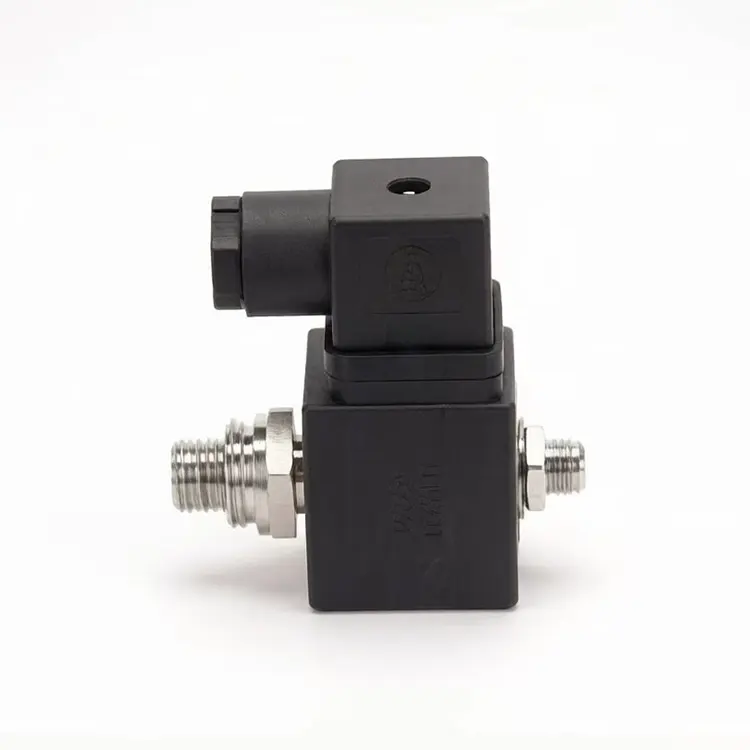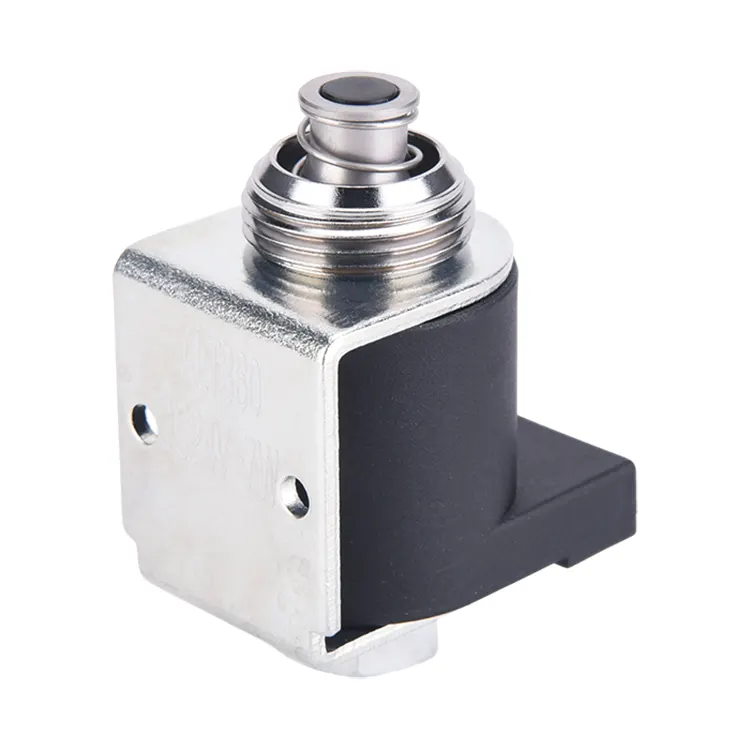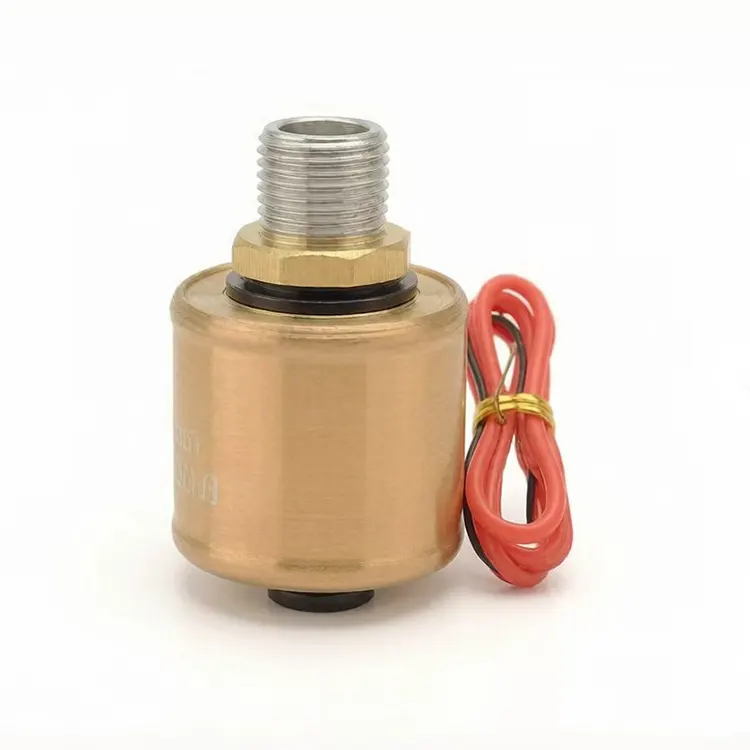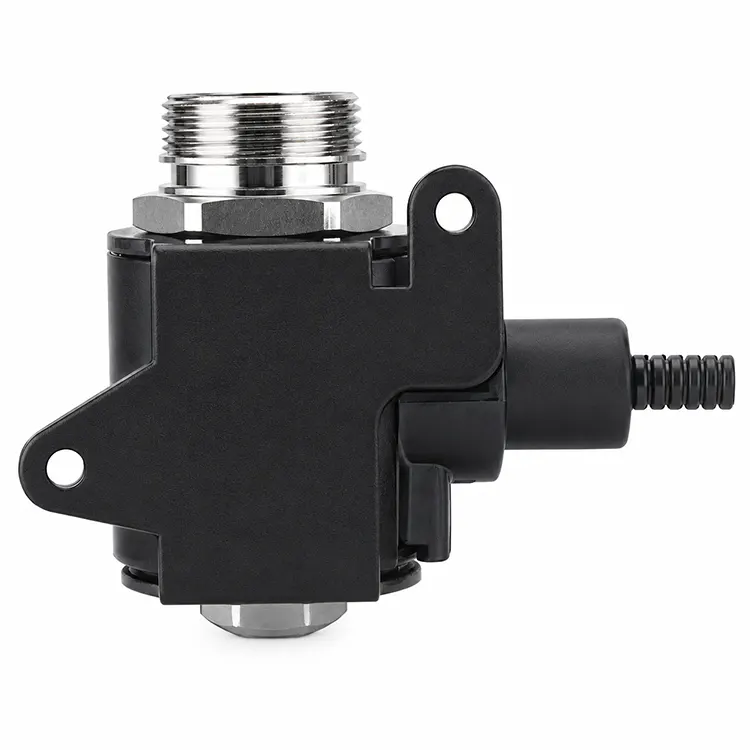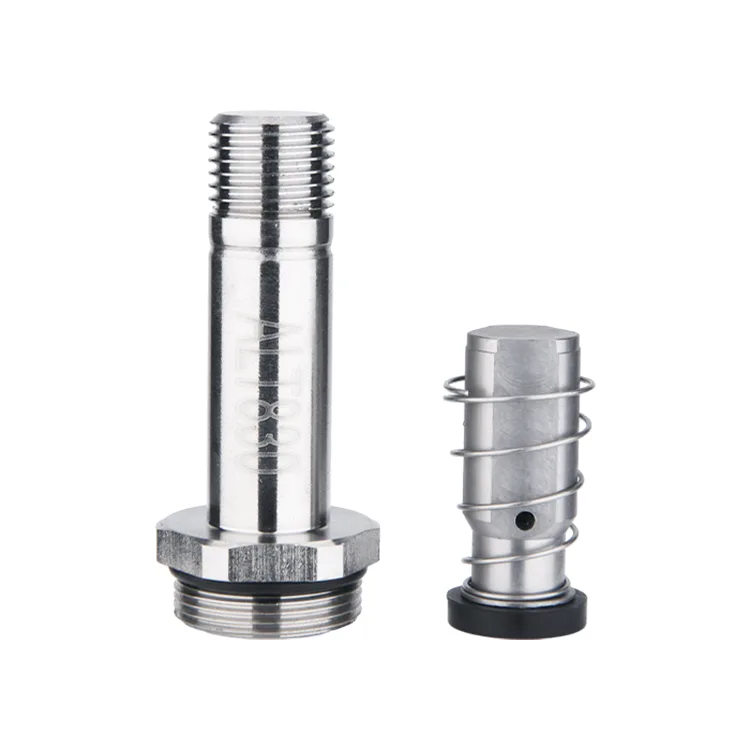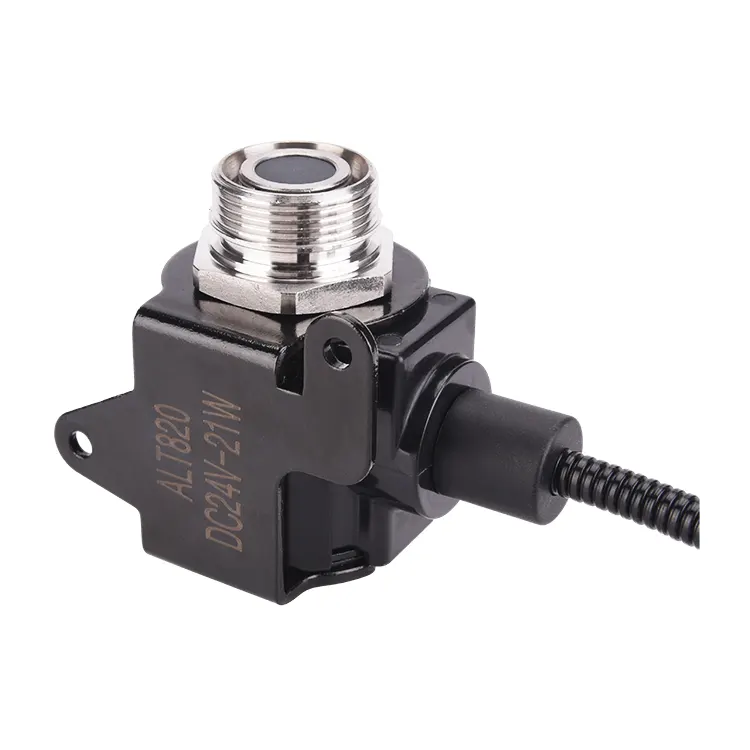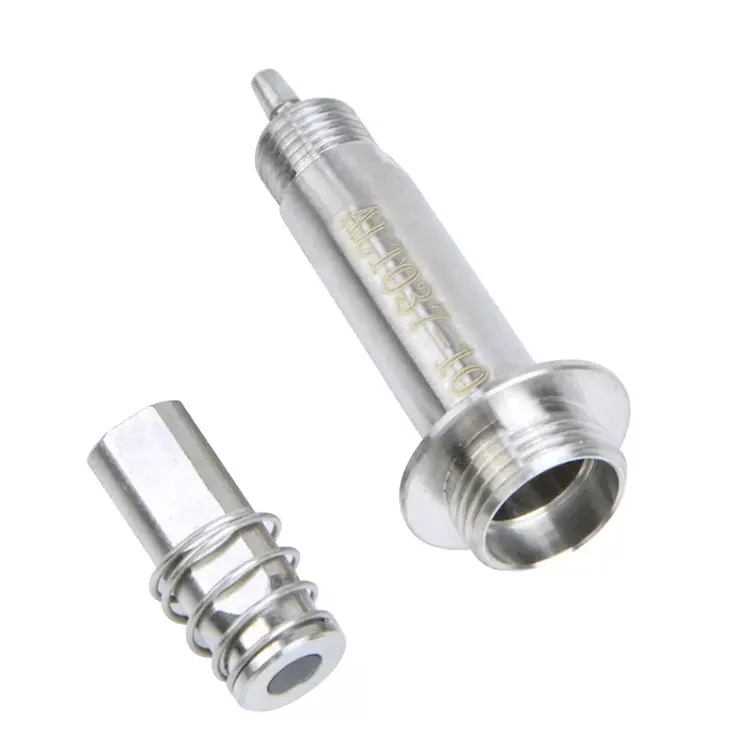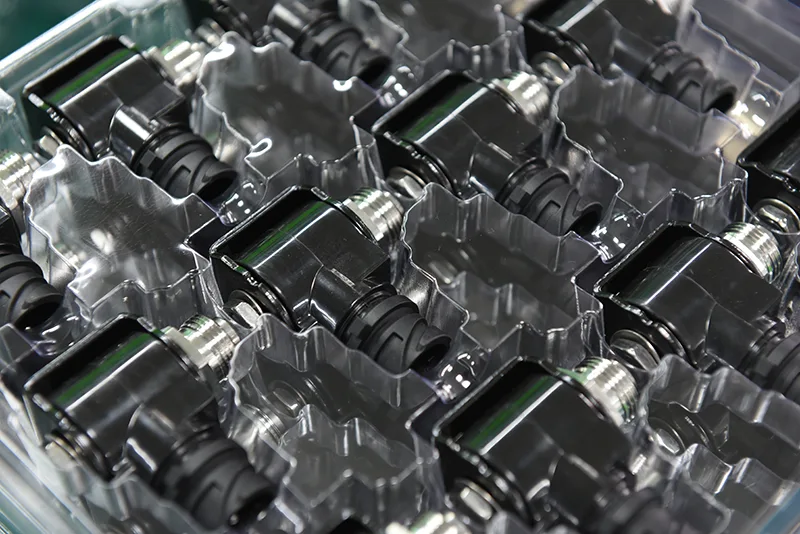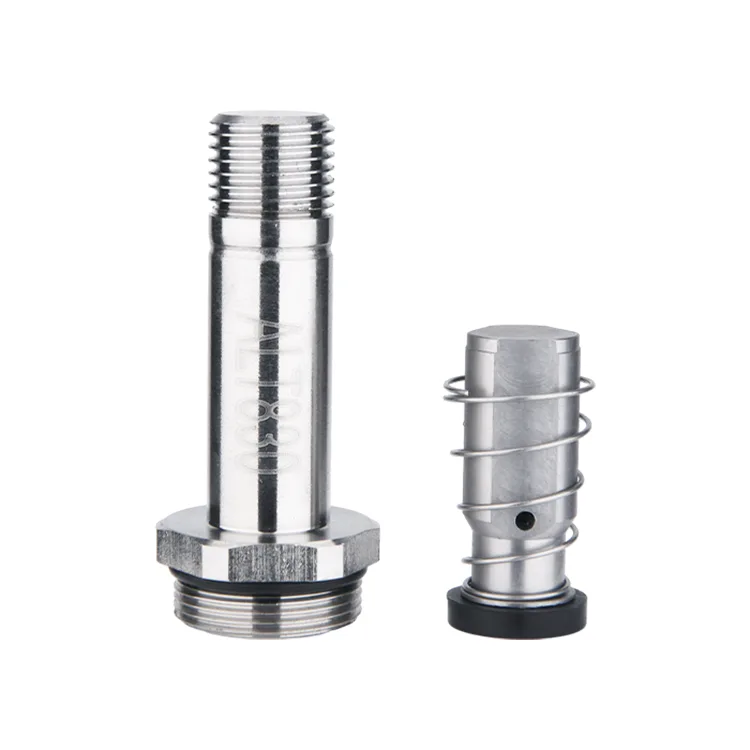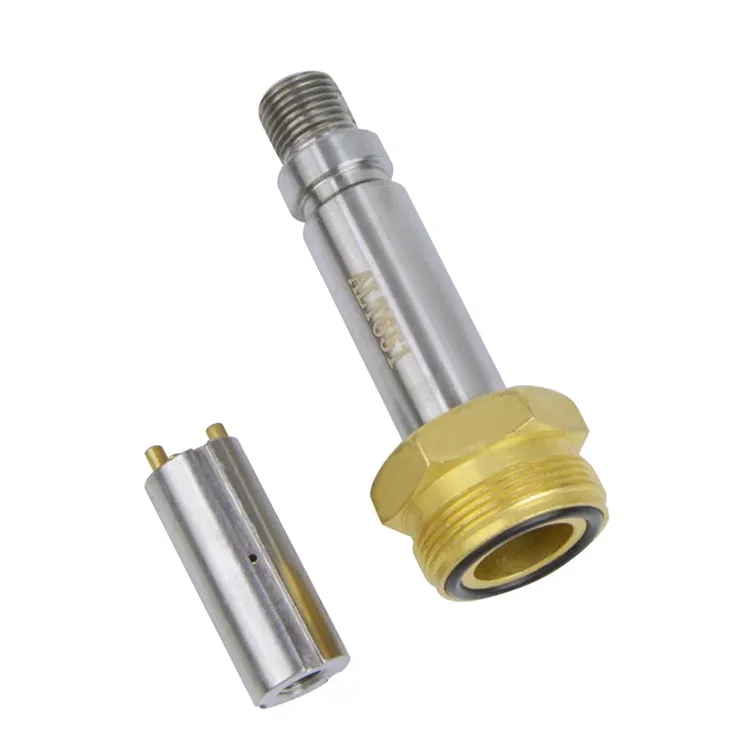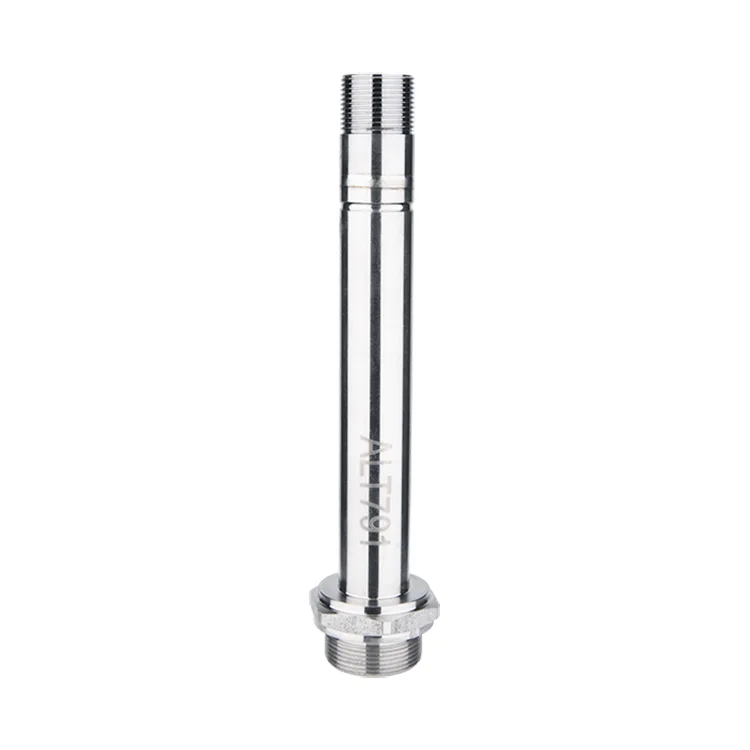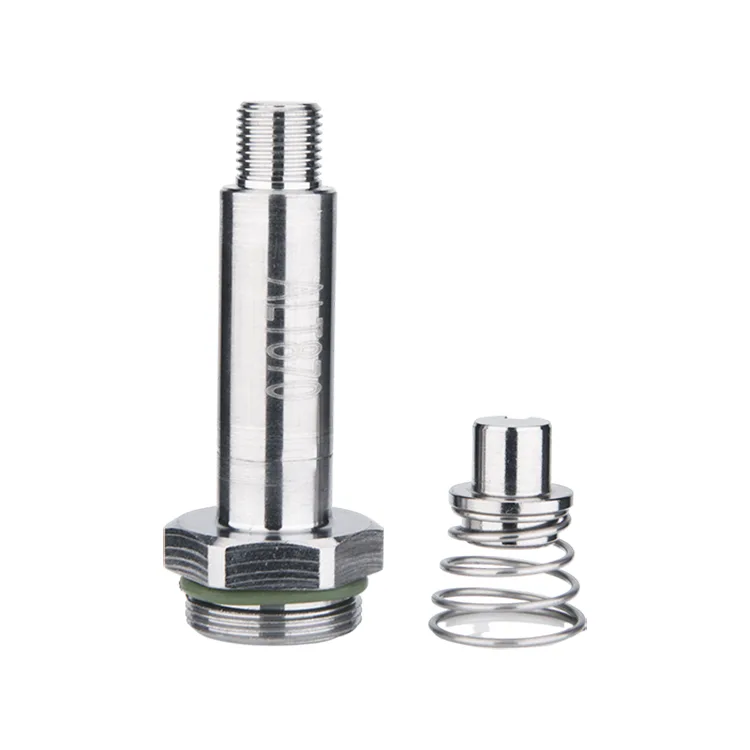
A 2-Way Solenoid Valve Assemblies controls fluid flow through two ports, opening or closing the passage in response to an electrical signal. The complete assembly typically combines a solenoid coil, armature mechanism, valve body and sealing components. Its operating logic depends on the valve configuration, so the normally open or normally closed state should be confirmed before selecting a model.
For systems that need to maintain flow when power is removed, a normally open configuration may be suitable. In this design, the flow path remains open when the coil is de-energized and changes state when the coil is energized. The actual flow behavior depends on the valve's internal structure and port arrangement; it should not be treated as a safety shutoff or pressure-release function without application-specific verification.
| Specification | Why It Matters |
|---|---|
| Operating State | Confirm whether the valve must be normally open or normally closed when power is off. |
| Voltage and Coil | Specify the required AC or DC voltage and confirm coil compatibility with the control system. |
| Port Size | Match the connection size and installation dimensions to the existing pipeline or equipment. |
| Working Pressure | Provide the operating pressure range and pressure differential across the valve. |
| Working Medium | Identify the fluid or gas and confirm compatibility with the valve body and sealing materials. |
| Flow Requirement | Define the required flow rate and switching conditions to support model selection. |
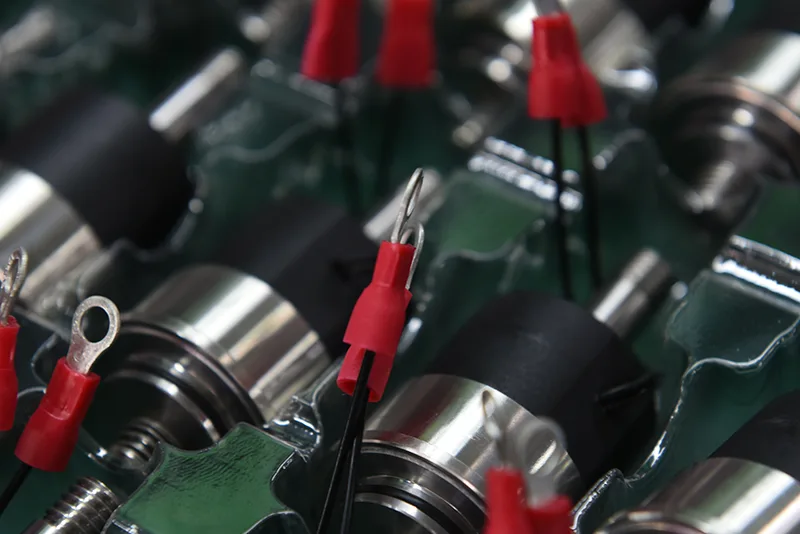
Reliable switching depends on the relationship between the coil, armature, spring, valve body and sealing components. The coil must provide the magnetic force required by the valve mechanism, while the armature must move correctly within its guide structure. Anlite produces solenoid coils and armature assemblies for integration into solenoid valve products, allowing component specifications to be considered together during configuration.
For a custom 2-Way Solenoid Valve Assembly, providing a drawing, existing model number or sample can help clarify mounting dimensions, port connections and internal structure. Voltage, pressure conditions and the intended de-energized state should also be specified before the configuration is confirmed.
Before ordering, confirm which inspection items apply to the selected model. Relevant checks may include switching response, leakage, coil temperature and operation under the specified pressure conditions. Test methods and acceptance criteria should be agreed according to the product specification rather than assumed to be identical for every configuration.
For OEM projects, clarify the approved drawing revision, electrical requirements, sealing materials and inspection criteria before production. This helps reduce specification mismatches and provides a clear reference for sample evaluation and repeat orders.
Depending on its design and material compatibility, a two-way solenoid valve may be used in cooling circuits, tank venting, fluid control and bypass lines. Application suitability depends on the working medium, pressure differential, temperature, flow requirements and the valve's defined operating state. Where the valve is part of a safety-related system, confirm the complete system design and applicable safety requirements separately.
Anlite can discuss customization based on defined technical requirements. To assess a 2-Way Solenoid Valve Assembly for your equipment, provide the required voltage, port size, working pressure, medium, flow requirement and normally open or normally closed preference. Drawings or sample details are useful when replacing an existing assembly or matching a specific installation.
Once these details are available, the configuration and inspection requirements can be reviewed before sample confirmation or batch production.
Send an Inquiry to discuss your valve specifications, customization requirements and sample evaluation.