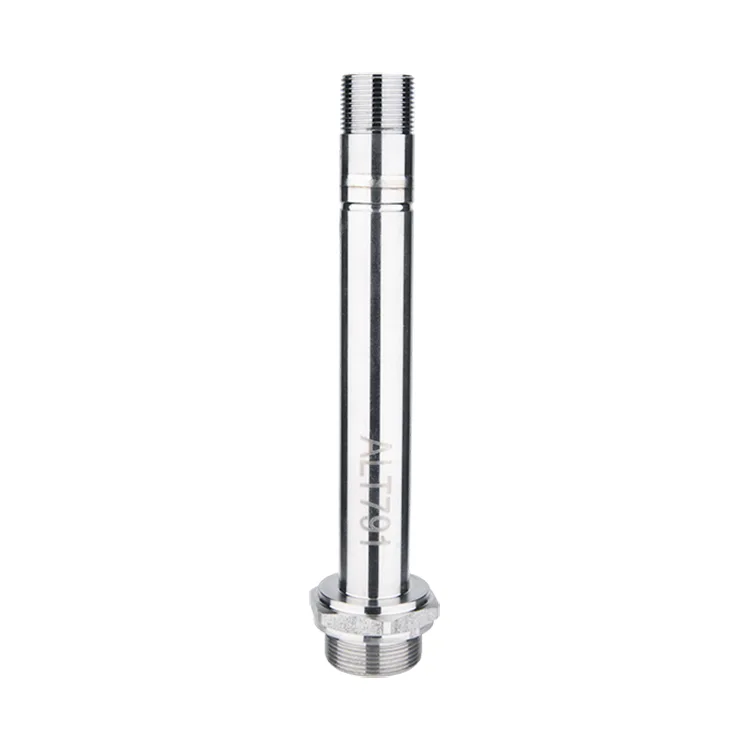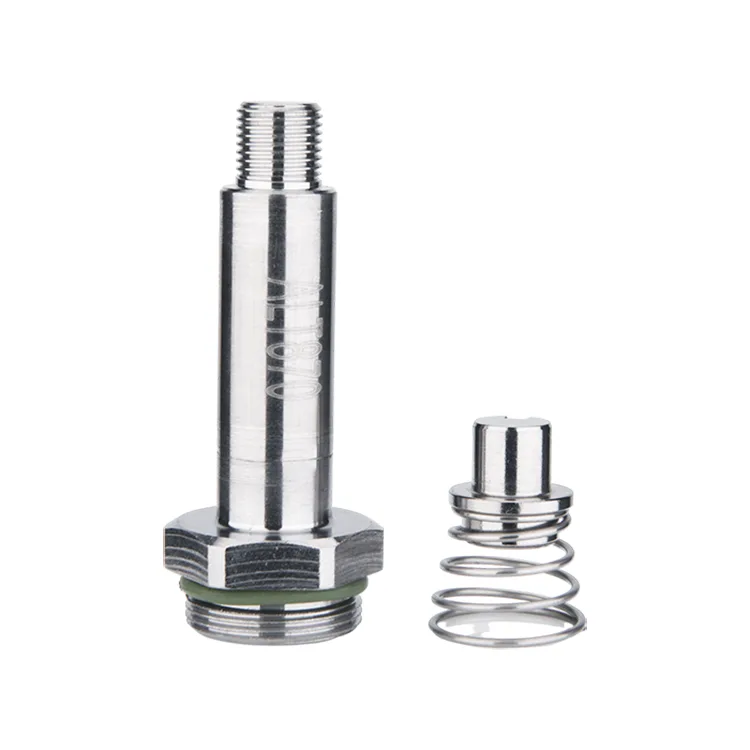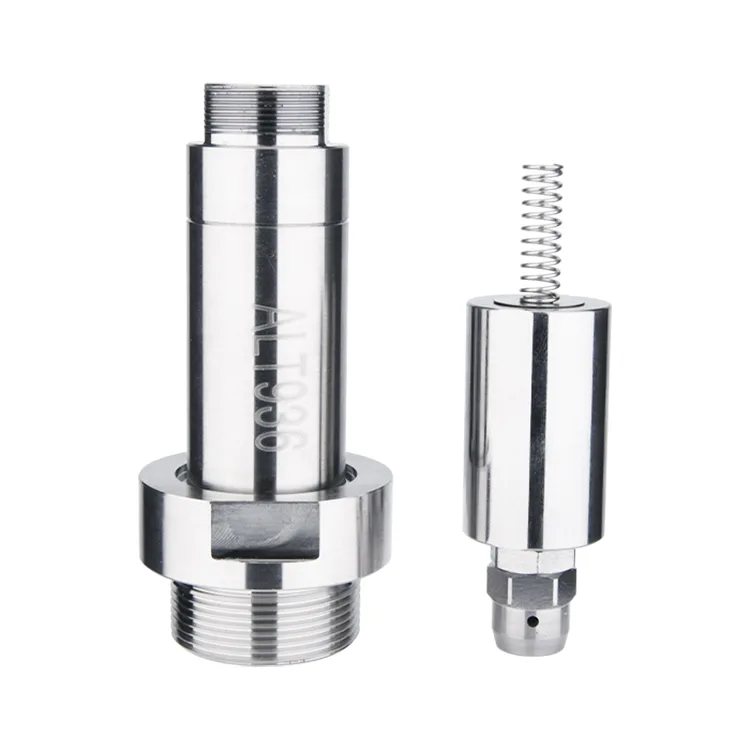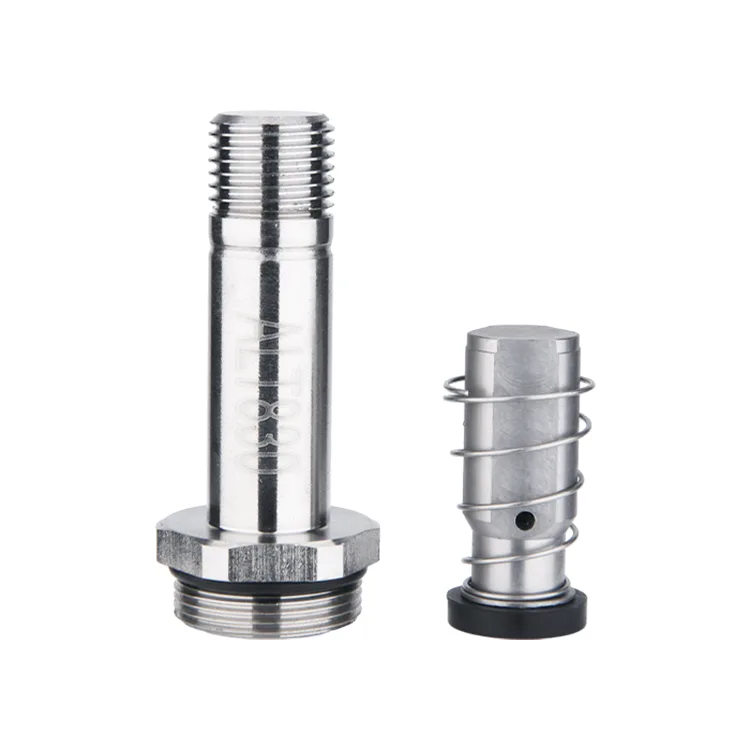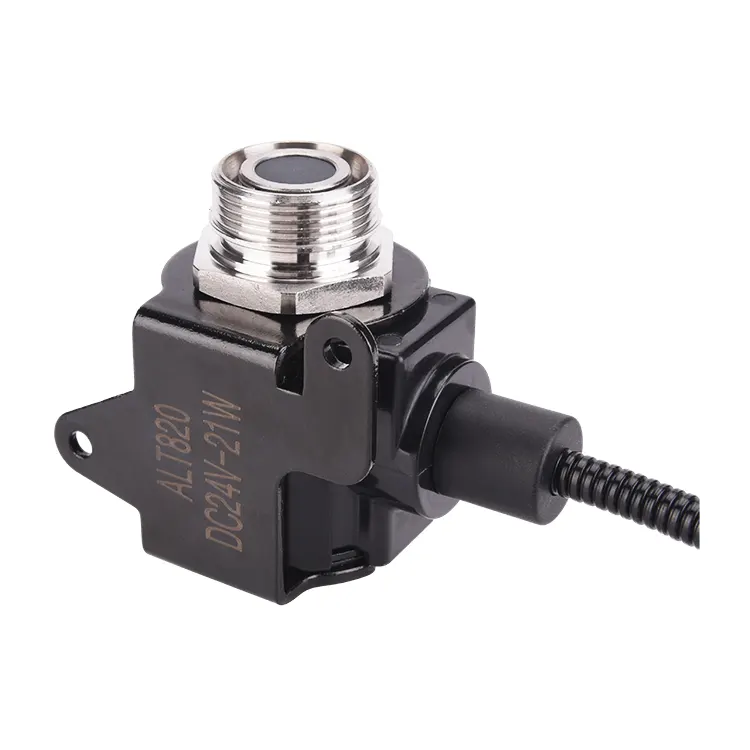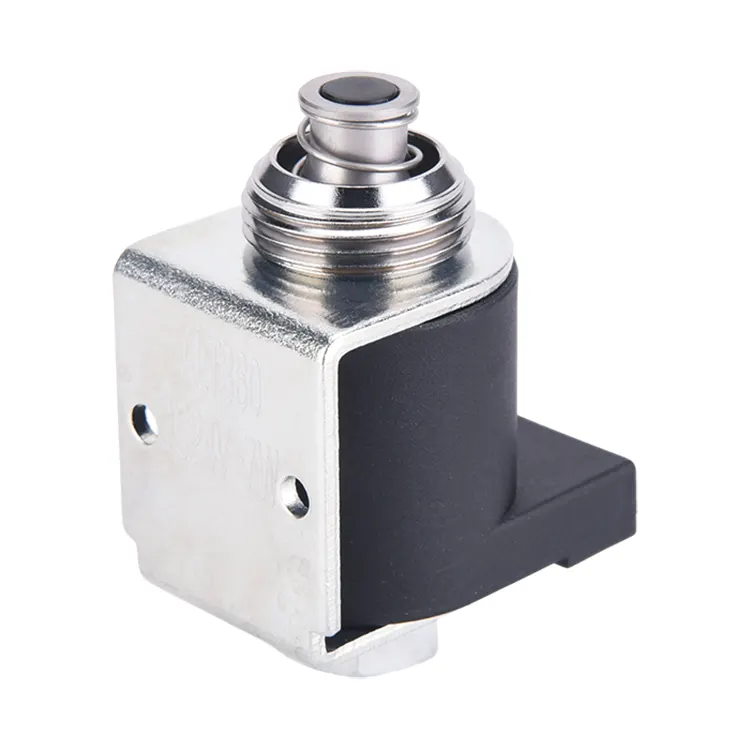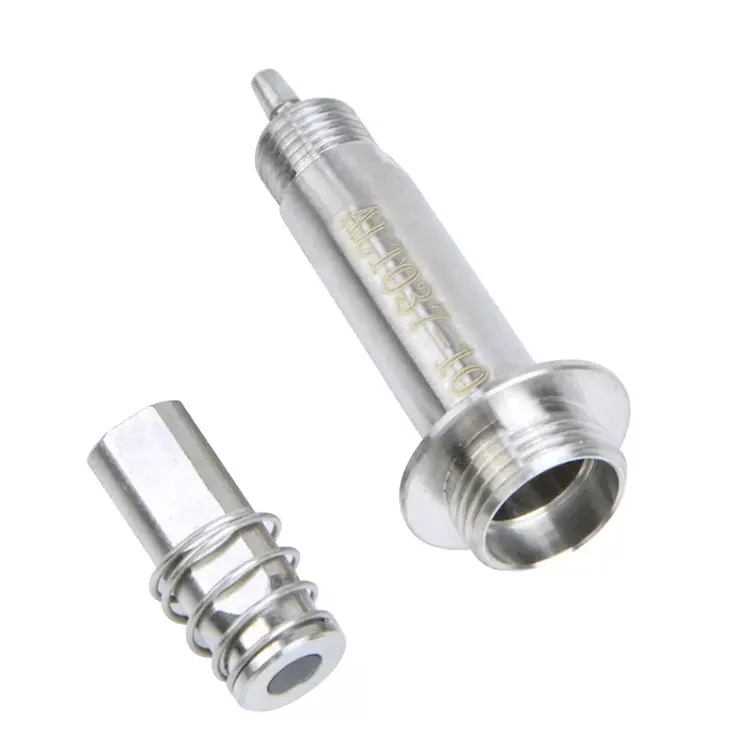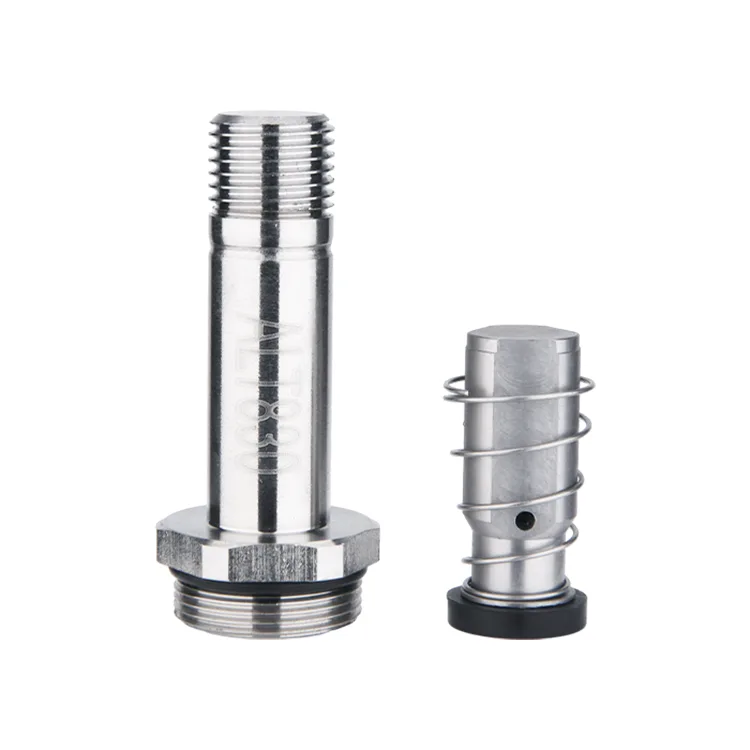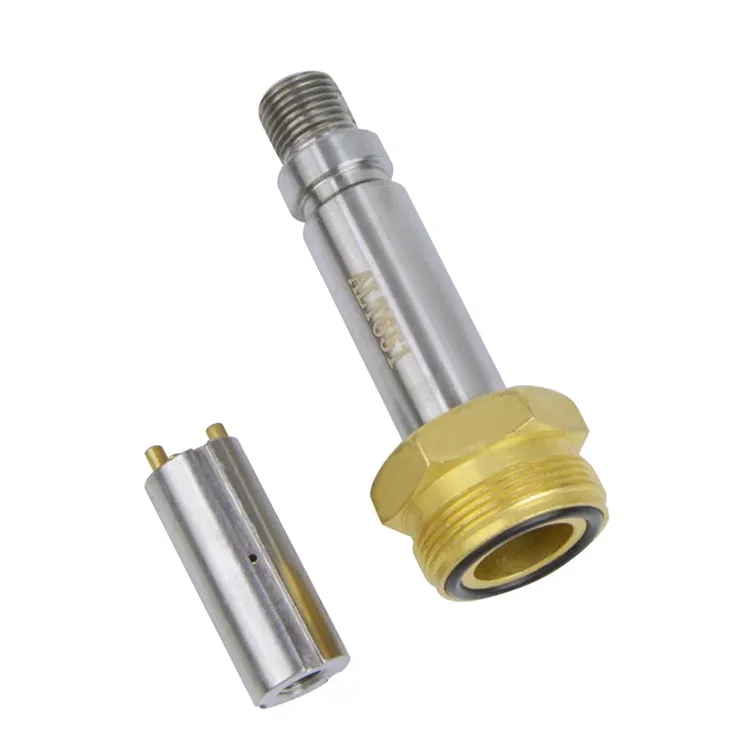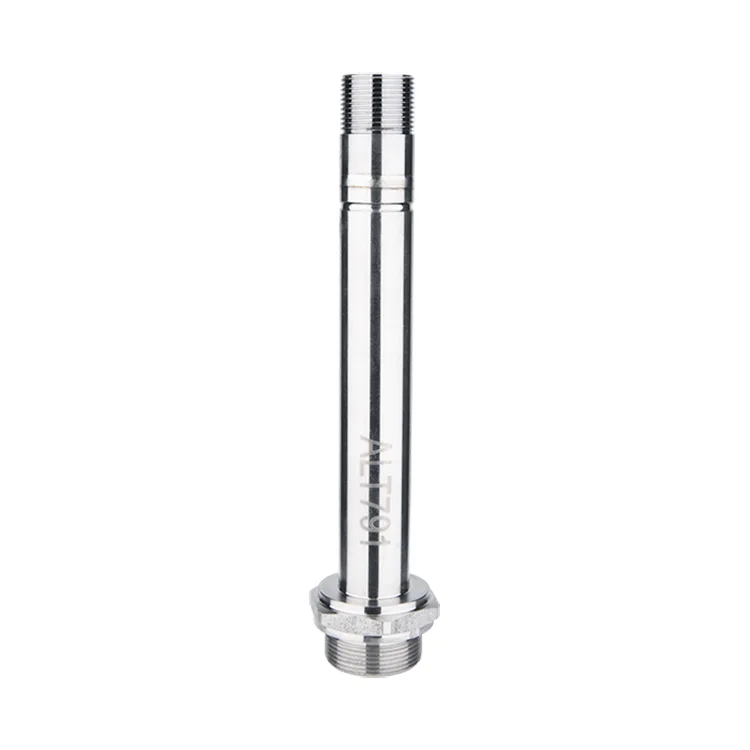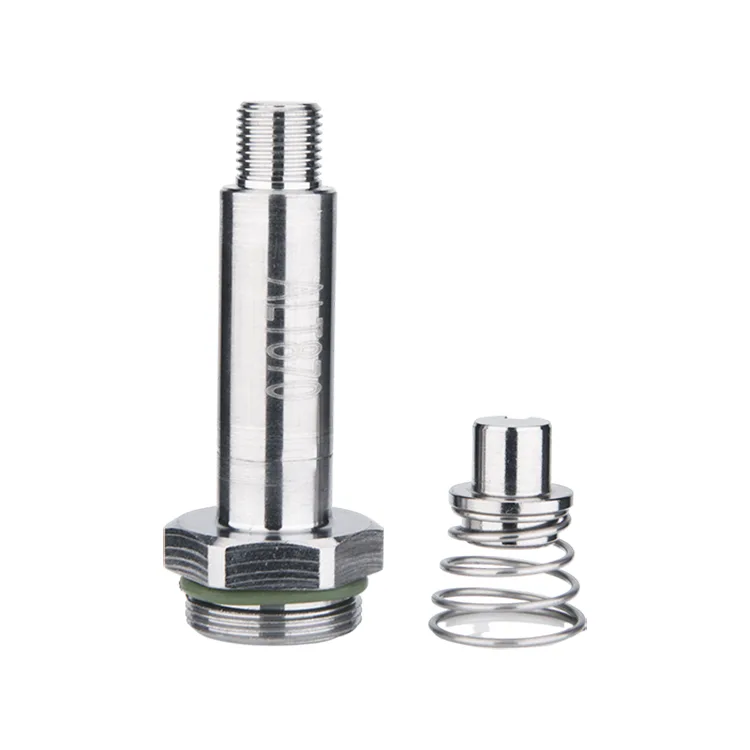
In a two-way solenoid valve, the armature is the moving component that transfers electromagnetic force into mechanical action. Its fit with the guide structure, available travel and contact with the sealing mechanism all influence how the valve opens and closes.
Ningbo Anlite Machinery Co., Ltd. supplies customized 2-Way Solenoid Armatures solutions for switch-type fluid control applications. The assembly can be developed around the valve's internal structure and coordinated with the solenoid coil, rather than selected by dimensions alone.
A replacement armature may look similar to the original part but still behave differently after installation. The reason may lie in a small difference in travel, guiding dimensions, spring loading or the sealing contact position.
These are starting points for inspection, not a diagnosis of every valve fault. The actual cause depends on the valve design and operating conditions.
The armature assembly should be assessed as part of the complete electromagnetic mechanism. Core dimensions determine how it fits the guide; stroke determines the available movement; spring force affects its return; and the sealing interface must correspond to the valve's closing structure.
Material and magnetic characteristics also need to suit the coil and intended actuation conditions. Changing one parameter without reviewing the others can create a mismatch, even when the part's external dimensions appear correct.
For an existing valve design, an original armature, technical drawing or dimensional specification provides a practical basis for review. If the part is being redesigned, the valve structure and operating requirements should be clarified before the assembly dimensions are finalized.
Anlite manufactures solenoid armatures and solenoid coils in-house, allowing the two components to be considered together during development. OEM discussions can cover the mechanical interface, material requirements, spring arrangement and coil compatibility, subject to technical confirmation.
Before approving a customized part, confirm the dimensions that control installation and movement, the required hardness and material specifications, and the magnetic characteristics relevant to the design. The inspection criteria and acceptance limits should be agreed for the specific project.
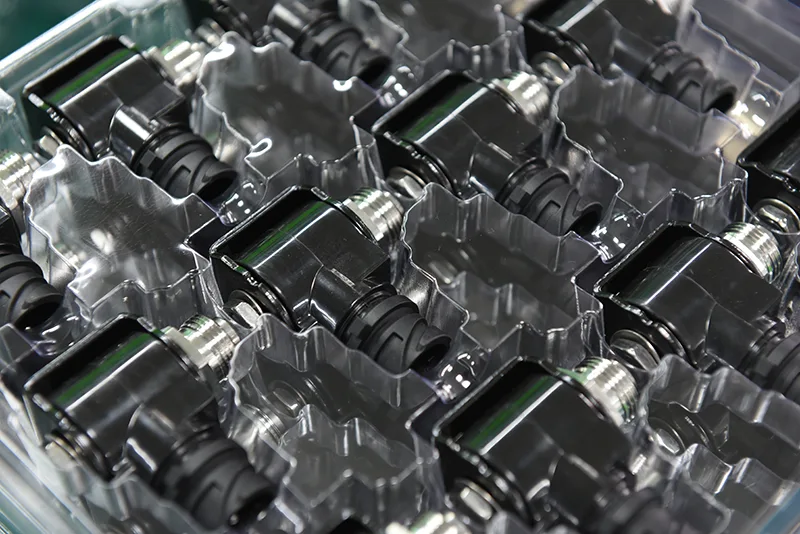
The supplied product information identifies dimensional, hardness and magnetic-performance checks before packaging. If inspection reports or specific test records are required, confirm their availability and scope when discussing the project.
To reduce unnecessary specification rounds, include whichever details are available when contacting Anlite:
If a complete drawing is not available, a reference sample and the valve model can help establish the initial review scope. Final dimensions and requirements should be confirmed before sample approval and production.
Not based on appearance alone. Check the dimensions, stroke, guiding fit, spring arrangement and sealing interface against the original design. A drawing or reference sample helps establish whether the replacement is compatible.
Provide the available drawing or sample, key dimensions, valve structure, coil specifications and operating conditions. Any known material, spring or sealing requirements should also be included.
Yes. The armature and solenoid coil can be reviewed together during development. Compatibility depends on the coil's electrical specifications, the magnetic design and the mechanical requirements of the valve.
Typical applications listed for this product include water treatment, air control and medical measurement equipment. Suitability for a particular system depends on its medium, operating conditions and valve design.
Anlite supports OEM customization and can discuss sample and drawing arrangements. Availability, drawing scope and sample requirements should be confirmed for the specific project.
Review the armature stroke, free movement, return spring arrangement and sealing contact position first. Also confirm that the coil and operating conditions match the valve design. The actual cause should be established from the complete assembly rather than assuming the armature is the only source of the problem.
Send Anlite your drawing, reference sample details or existing part number. The team can review the required dimensions and component relationships, then discuss customization feasibility and the next steps for sample evaluation.
Submit your drawings or inquiry to discuss your 2-Way Solenoid Armatures project.